Caring for orphaned children is a significant virtue in Islam. The Qur’an and sunnah (the teachings of the Prophet Muhammad, peace be upon him) repeatedly emphasise kindness toward orphans, protecting their rights, and ensuring their emotional and material wellbeing.
The high status of orphaned children in the Islamic tradition is perhaps best encapsulated by the fact that the Prophet Muhammad (PBUH) was himself an orphan. His father, Abdullah ibn Abdul Mutallib, passed away before he was born. His mother, Amina bint Wahb, passed when he (PBUH) was 6 years old, leaving him in the care of his grandfather.
Who is considered an orphan?
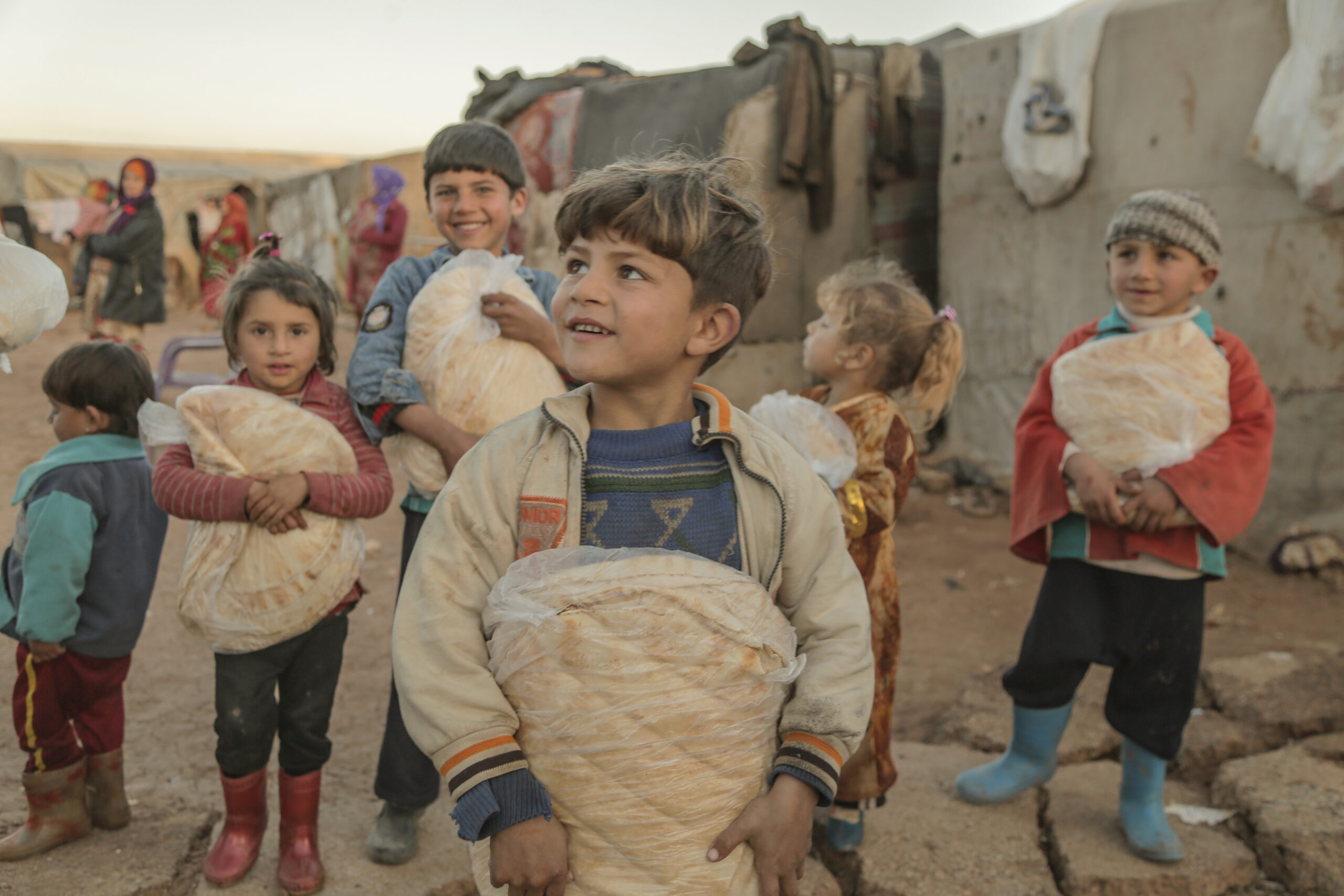
An orphan is a child who has lost one or both parents and is left vulnerable without proper support and protection. In many societies, orphaned children face hardship, loneliness, poverty, and neglect. Islam recognises these challenges and commands believers to treat orphans with dignity and love, placing immense importance on compassion, mercy, and social responsibility.
The Qur’an frequently mentions orphans alongside the poor and needy, highlighting their special status in the eyes of God. Allah (SWT) says:
“So as for the orphan, do not oppress him.” Qur’an (93:9)
This verse reflects the Islamic principle that orphans deserve compassion and protection rather than exploitation or neglect, as they were treated in pre-Islamic Arabia.
A path to Paradise
“Alas! You do not honour the orphan…” Qur’an (89:17)
Allah (SWT) actually rebukes the Arabs of 7th century Arabia for their mistreatment of orphans in the Qur’an, indicating that caring for them is an act of the righteous. This is further emphasised in Surah Insan:
“And they [the righteous] give food — in spite of love for it — to the needy, the orphan, and the prisoner.” Qur’an (76:8)
One of the greatest virtues of caring for an orphan is the promise of immense reward in the Hereafter.
The Prophet Muhammad (PBUH) said: “I and the one who cares for an orphan will be together in Paradise like this,” and he held his 2 fingers together to show closeness.
How can I care for an orphan?
Caring for an orphan includes providing food, shelter, education and emotional support.
Islamic Relief currently supports over 85,0000 orphans and vulnerable children across 27 countries through our Orphan Sponsorship Programme, providing access to education, healthcare, and nutritious food.
The programme’s focus is on long-term care and community support, with over 21,000 orphans sponsored in Gaza alone.
Islamic Relief has made it easy for you to support orphans according to your ability.
- Make a one-off payment, ensuring invaluable aid reaches those most in need.
- Sponsor an orphan for just $70 a month, providing consistent support
- Donate €25 monthly to provide medical aid to orphans. Islamic Relief has funded major surgical operations involving brain surgery, breast cancer, and spinal issues in 16 countries. We have also provided medical treatments for conditions such as epilepsy, heart disease, kidney dialysis, and eyesight correction.
- Support our higher education fund, enabling orphans who excel at school to access higher education.
Islamic Relief acknowledges the weight of the responsibility of your orphan sponsorship, given the hadith of our beloved Prophet Muhammed (PBUH). We know that you have chosen us as a means to be with our beloved (PBUH) in Jannah and it is not something we take lightly.
Charity increases wealth
Islam holds that giving charity actually increases your wealth, and donating to orphans has specifically been mentioned as a way of inviting blessings into our lives.
“Blessed is the wealth of the Muslim, from which he gives to the poor, the orphan and the wayfarer.” [Muslim].
Giving charity blesses our wealth and increases it, for it is Allah (SWT) alone who control sour rizq (provision). Donating even a small amount is a beautiful way to support the Ummah, to thank God for all He has given you, and to demonstrate rahma (mercy).
Islam is a religion built upon mercy. Caring for orphaned children reflects the mercy that Allah (SWT) loves in His servants. A believer who opens their heart and home to an orphan embodies the prophetic qualities of kindness, patience, and generosity.
Please donate today to support orphaned children around the world.