
Islamic Relief Worldwide’s income has risen to record levels for the fifth consecutive year, thanks to the generosity of supporters and public donations all over the world.
The organisation’s new Annual Report 2023, published today, shows a highest-ever income of £274.6 million, a 17% increase from £234 million the previous year.
Thanks to this, Islamic Relief was able to provide humanitarian and development aid to help 16.8 million people in 39 countries worldwide in 2023.
2023 was one of the most demanding years for responding to emergencies in Islamic Relief’s history, and more than half of expenditure was in response to humanitarian crises. The organisation provided life-saving emergency aid for civilians facing violent attacks in Sudan and Gaza and affected by disasters in Turkiye, Syria, Morocco and Libya. Islamic Relief’s appeal for the Turkiye-Syria earthquake was the biggest in its history.
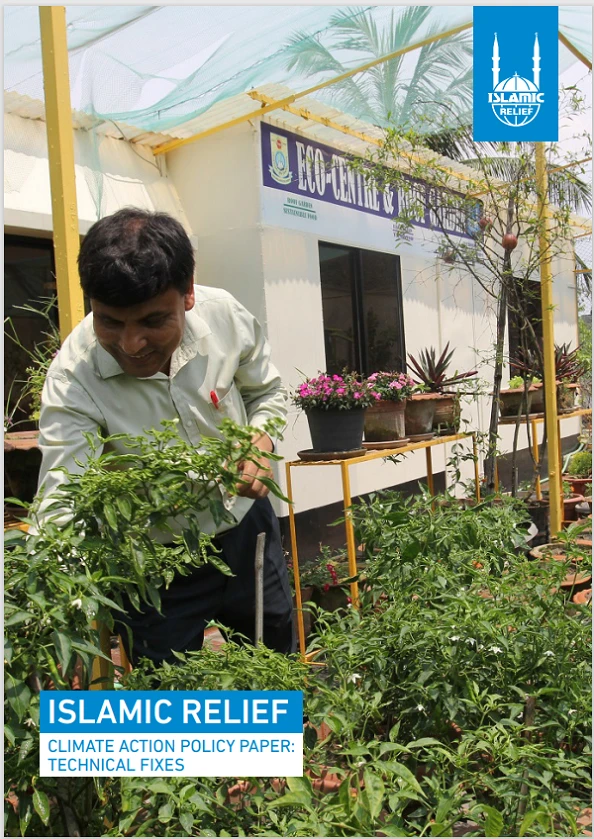
Other long-term projects helped tackle hunger, climate change and gender injustice – such as supporting farmers in Indonesia and Bangladesh with climate-smart agricultural practices and locally suitable seeds; helping women in Niger and Afghanistan to start their own small businesses; training rural communities in Mali on Islamic microfinance; and supporting locally-led campaigns against FGM, early/forced marriage and illegal logging.
Islamic Relief collected and distributed more than £50 million of Zakat funds in 2023. These Zakat funds – annual religious payments made by able Muslims to help people living in poverty – financed more than 100 projects such as refurbishing schools in Syria, developing irrigation systems in the Horn of Africa and supporting food banks in the UK. More than 4 million people worldwide also received food packs during Ramadan and Qurbani distributions.
The generosity of Islamic Relief supporters continues to increase despite worsening economic and cost-of-living crises in many countries. These donations are having enormous impact, yet globally the number of people in need of support continues to grow and inequality is rising. Islamic Relief’s work is becoming more challenging as the international community has failed to take meaningful action on climate change; conflicts and violence continue to spread; there is widespread disregard for international law; and many governments are cutting aid budgets.
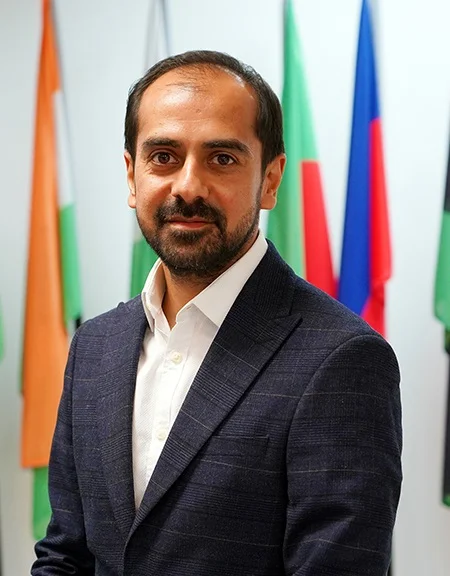
Waseem Ahmed, Chief Executive of Islamic Relief Worldwide, said, “2023 was a year defined by disasters. Many of the crises we responded to continue to devastate lives, while global hunger, climate change, and faltering global governance snatch away precious development gains. In all the years I have served as a humanitarian, I have not experienced a more tumultuous time – nor have I ever felt prouder to be part of the Islamic Relief family. None of this work would have been possible without our steadfast supporters.”
Islamic Relief’s largest projects in 2023 were in Yemen, reaching more than 2.5 million people in the country. The next largest programmes were in Syria, Niger, Pakistan, Somalia, the Occupied Palestinian Territory, Afghanistan, Bangladesh, Sudan and Ethiopia.
Globally, more than 10 million people benefited from projects to improve food security, 2.8 million people received healthcare support, and almost 1 million people benefited from water, sanitation and hygiene projects. Islamic Relief’s orphan sponsorship programme provided regular cash payments to help 91,900 orphaned children access education, healthcare, food and shelter.
The quality of Islamic Relief’s work was recognised with recertification for the Core Humanitarian Standard on Quality and Accountability (CHS) – the gold standard of the humanitarian sector, based on a range of indicators including feedback from the communities we serve.
For more information, Islamic Relief’s 2023 annual report is available here