The Integrated Food Security Phase Classification (IPC) has now declared that “the worst-case scenario of famine is currently playing out in the Gaza Strip”. Shahin Ashraf, Islamic Relief Worldwide’s Head of Global Advocacy, offers her insight into what the IPC Phase 5 classification means for families in Gaza.
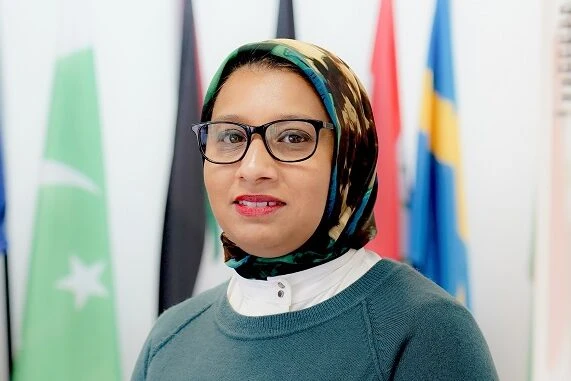
Every morning, I turn on the news and witness what can no longer be unseen. The images of families being starved in Gaza spill across our screens during breakfast, on the commute to work and other moments that used to feel mundane. But now, nothing feels ordinary. Nothing should. We are not simply witnessing a crisis, but a human, man-made catastrophe unfolding in real time.
A mother cradles her toddler not to lull her to sleep, but to soothe hunger cramps that wrack her tiny body. Men running toward food trucks in desperation are shot down before they reach them. These are not isolated scenes. This is the daily reality facing families in Gaza.
The famine warnings were raised by Non-Governmental Organizations, UN agencies and international bodies for months – but these warnings have now materialised into reality for the starving population of Gaza.
What is IPC Phase 5?
The IPC – a global initiative by UN agencies, aid groups and governments – is the primary mechanism the international community uses to conclude whether a famine is happening. The scale ranges from Phase 1 (mild lack of food) to Phase 5 — the worst possible level: ‘Catastrophe’ levels of food insecurity.
Sadly, Gaza is officially in IPC Phase 5 as a result of Israeli bombing and the blockade of aid.
This classification isn’t thrown around lightly, nor is it political. It is the result of detailed, on-the-ground data collected by independent experts, including UN agencies like the World Food Programme (WFP) and the Food and Agriculture Organisation (FAO), along with international Non-Governmental Organizations, local partners, and food security specialists.
They track the most vital signs of life and survival, food availability, malnutrition rates, water access, disease outbreaks, and daily death tolls. Only when the situation meets specific, internationally-recognised thresholds, is famine officially declared.
It’s the highest, deadliest level of food insecurity and means that:
- At least 1 in 5 families are facing extreme food shortages and no means to get any food.
- At least 1 in 3 children are suffering from acute malnutrition.
- Every day at least two adults or four children out of every 10,000 are dying from the most preventable cause of death on earth: hunger.
Famine in Gaza
In Gaza, across the near entirety of the Strip, the first two thresholds have been crossed. The last threshold, deaths from hunger, cannot officially be demonstrated, although there is clear and increasing evidence that “widespread starvation, malnutrition and disease” are resulting in hunger-related deaths.
After 21 months of conflict, mass displacement, and near-total isolation, starvation has taken root, with children dying of hunger, families scavenging garbage for food, and most of the population enduring prolonged, life-threatening deprivation.
Famine is not a single event. It is a slow, crushing collapse of everything a person needs to survive.
Heart-wrenching stories
I have come across many stories from people in Gaza who are suffering the devastating effects of famine:
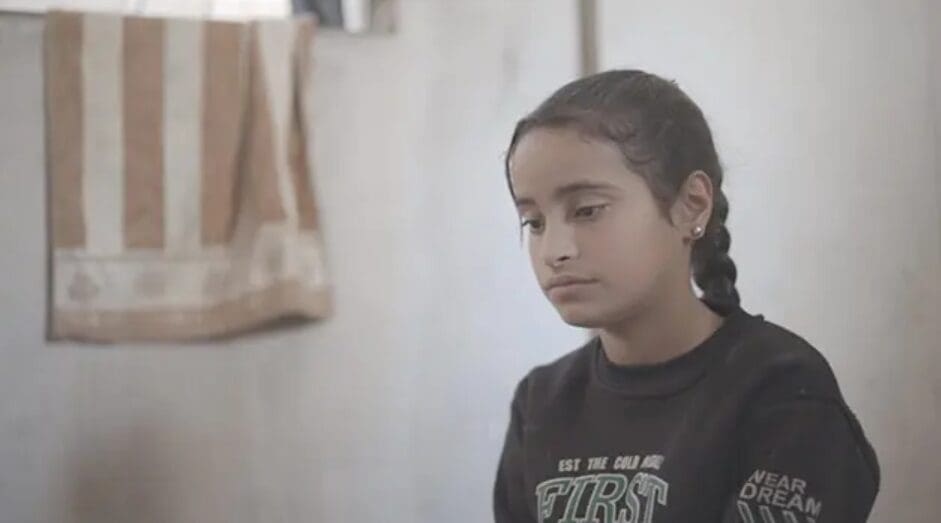
12-year-old Tala in Gaza City is wasting away, “her young body too weak to cry” says her mother. Every day starts with searching for food and ends with trying to quiet the hunger of little stomachs that haven’t known fullness in weeks.
15-year-old Batool starts searching for food, water and firewood at 5am. Most days it is in vain. It’s been two months since they had rice or flour.
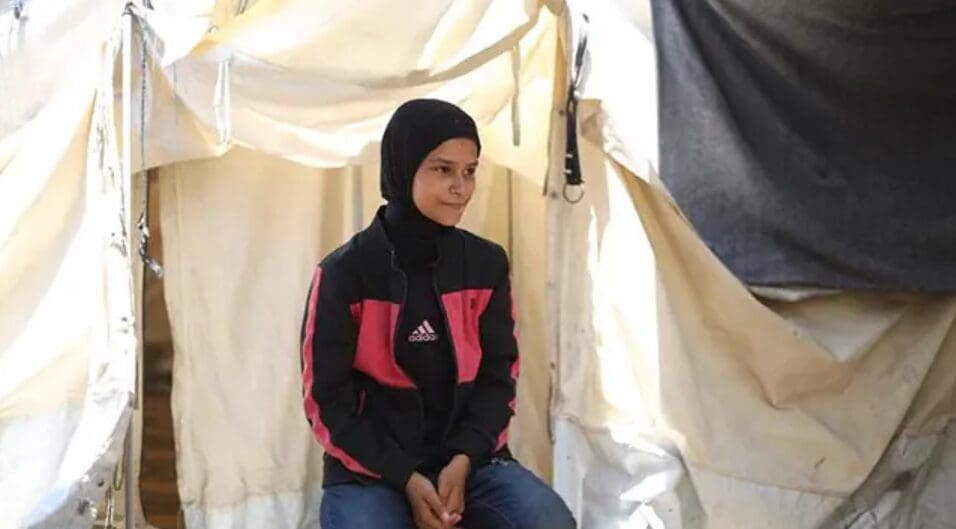
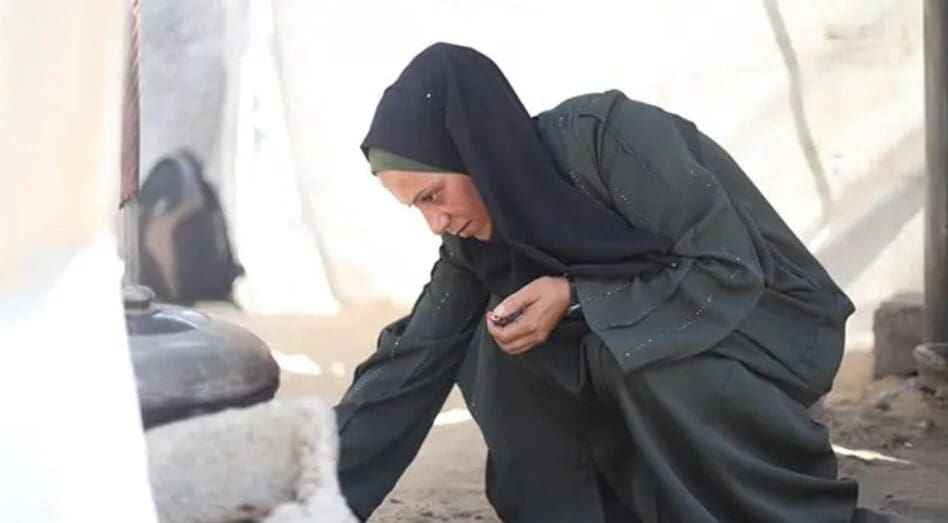
Marwa sends her 12-year-old son Hashim to roam the streets in search of food for his siblings. He walks for miles to community kitchens, only to find them closed and out of food.
The world is not powerless – just paralysed
The humanitarian community has ended famines before in Somalia and South Sudan.
However, Gaza is entirely a man-made famine. Israel’s siege and bombardment, blockade of food and fuels, the denial of humanitarian access, as well as the targeting of convoys and shutdown of border crossings are not logistical problems. They are political choices.
We know what is required to stop the famine in Gaza:
- An immediate and unconditional ceasefire.
- Full access for humanitarian aid and commercial supplies, to allow the unhindered delivery of food, medicine and other vital supplies. Land crossings must be fully reopened.
- Protection for civilians, aid workers, and hospitals as mandated under international law.
History will ask where we stood when Gaza was starved. It will ask who spoke plainly, and who chose comfort over truth. Famine is taking hold. The moral test is now and the international community must act immediately to save the starving children of Gaza.
BROWSE OTHER OPINIONS
FEATURED OPINIONS
- Saving our home: Time for urgent action on World Environment Day
- Gaza one year on: Endurance and exasperation
- Away from the headlines there is an opportunity for real climate action
- How the Core Humanitarian Standard guides and inspires my safeguarding work
- Leave in Hope: the end of the Bonn conference
MOST POPULAR TOPIC
View More