Since April 2023, the people of Sudan have seen their country transformed by violence, mass displacement and the world’s worst hunger crisis.
Almost 3 years in, the conflict shows no signs of stopping. It’s not known how many people have died, with reports ranging from 150,000 to 250,000. Yet the humanitarian crisis in Sudan remains underreported, and the response underfunded.
Here are 10 things you should know about the crisis in Sudan.
- The United Nations has called the crisis ‘the world’s worst humanitarian disaster’
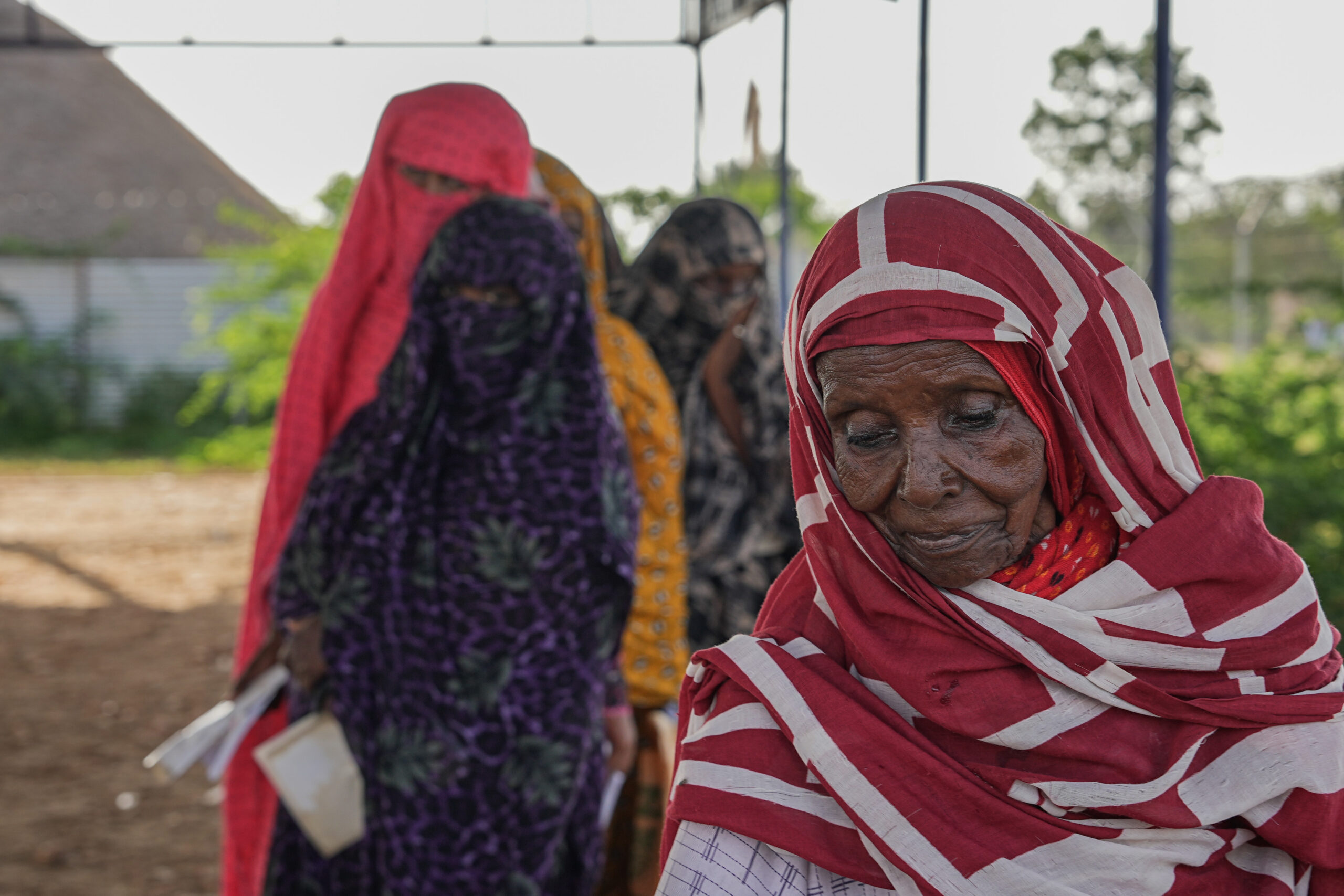
More than 30.4 million need humanitarian support across Sudan – that amounts to more than half of the country’s population. It is currently the largest humanitarian crisis ever recorded.
2. Sudan is starving
More than 21 million people – 45% of Sudan’s population – are facing acute shortages of food. A recent Islamic Relief assessment published in October 2025, found that 83% of families don’t have enough food to get them through the day.
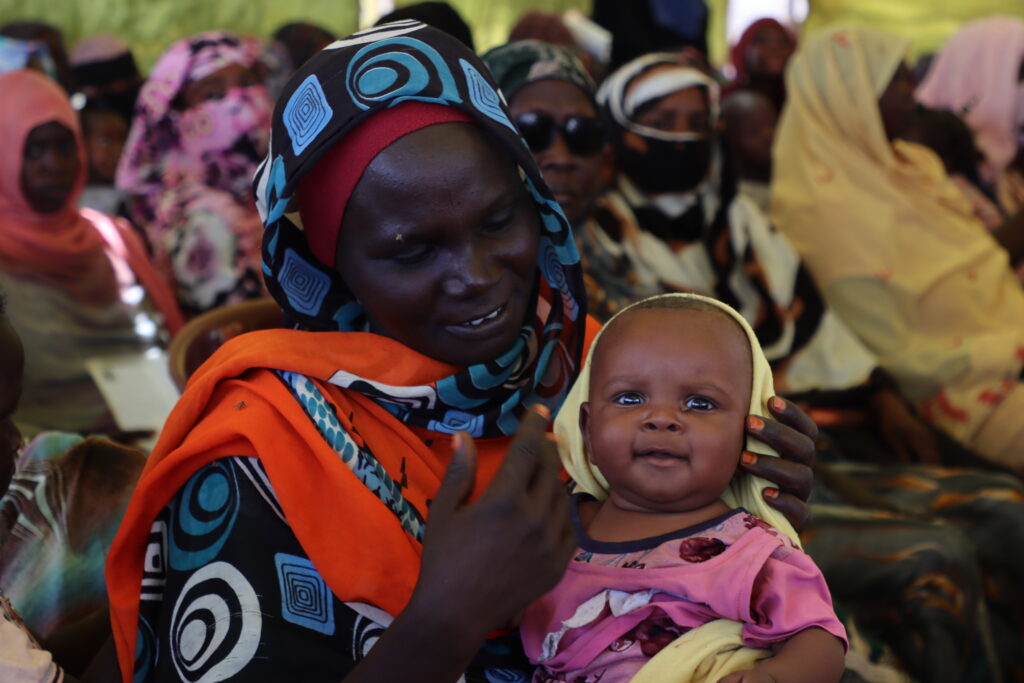
3. More than 80% of Sudan’s hospitals have been destroyed
Millions of people have been left without access to essential medical care. Those hospitals still running are coping with significant shortages of medication, supplies, water and electricity, as well as staff shortages linked to displacement. With access to healthcare impeded, Sudan has seen a resurgence in outbreaks of diseases such as cholera, dengue and malaria.
4. Women and girls are particularly at risk
Amid conflict and displacement, women and girls are facing heightened risks of sexual violence and other forms of gender-based violence. According to UN Women, the number of people at risk of gender-based violence in Sudan has more than tripled since the start of the conflict. Countless women have lost their livelihoods, while sexual exploitation, abuse and trafficking is widespread.
5. Sudan is the world’s biggest displacement crises
Estimates say that 12.8 million Sudanese have become displaced since April 2023. Many have been forced to move repeatedly and live out in the open or in makeshift tents. Some 4.4 million people have fled Sudan into neighbouring countries like Chad and South Sudan, according to the United Nations Office for the Coordination of Humanitarian Affairs.
6. Takaayas remain one of the last lifelines for families
These community kitchens provide food to vulnerable communities and are symbols of collective resistance, dignity, and hope. With so many funding cuts however, the future of takaayas are uncertain.
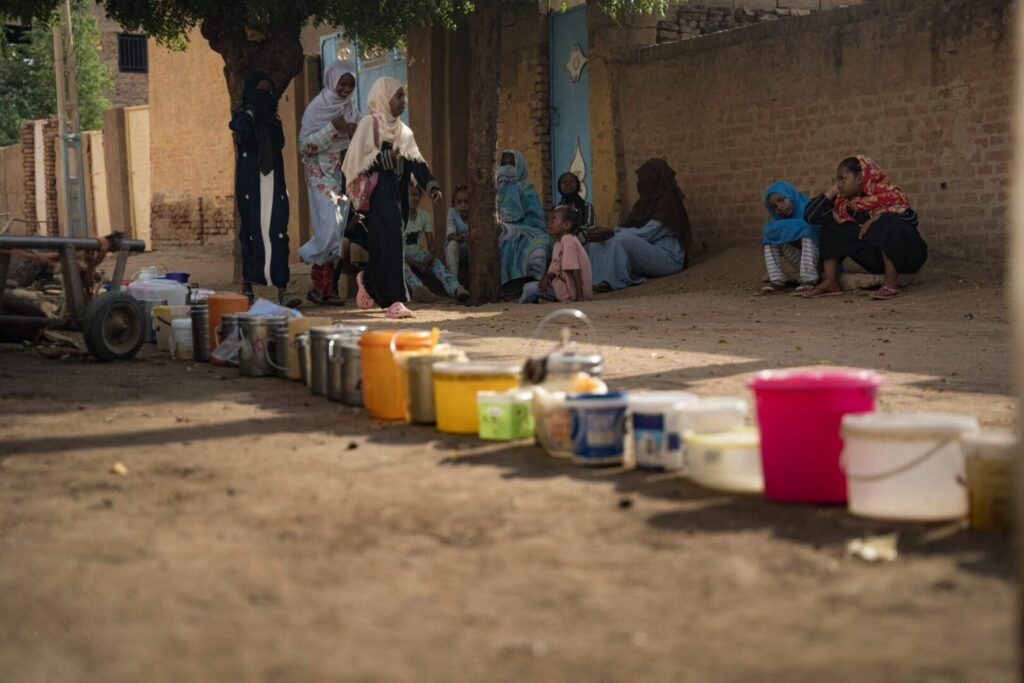
7. Every part of Sudan has been affected by the crisis
Made worse by climatic shocks in 2025, the conflict has touched every corner of Sudan. Food production has declined, transportation routes have been disrupted, the economy lies in ruins and essential foods and commodities remain out of reach for many people.
8. Sudan was suffering even before the conflict began
Even before violence erupted in April 2023, Sudan was already grappling with a country-wide humanitarian crisis of displacement and food shortages, following a 3-year drought that devastated large swathes of the Horn of Africa. Since then, life has only become more difficult for the people of Sudan.
9. There is hope for Sudan
While the conflict continues, some positive steps have been taken. The Bank of Sudan has recommenced operations while the Sudanese government recently met in the capital, Khartoum, for the first time in some 30 months. There is also a tentative stream of more than 3 million people who have returned to their areas of origin in Sudan, travelling from both inside and outside of the country, according to the International Organization for Migration (IOM).
10. Islamic Relief is helping
Since the onset of the conflict, Islamic Relief has reached more than 1.2 million people with lifesaving humanitarian aid. We have provided food, delivered vital medicines and supplies to healthcare facilities, trucked in clean water and supported farmers with agricultural seed and livestock.
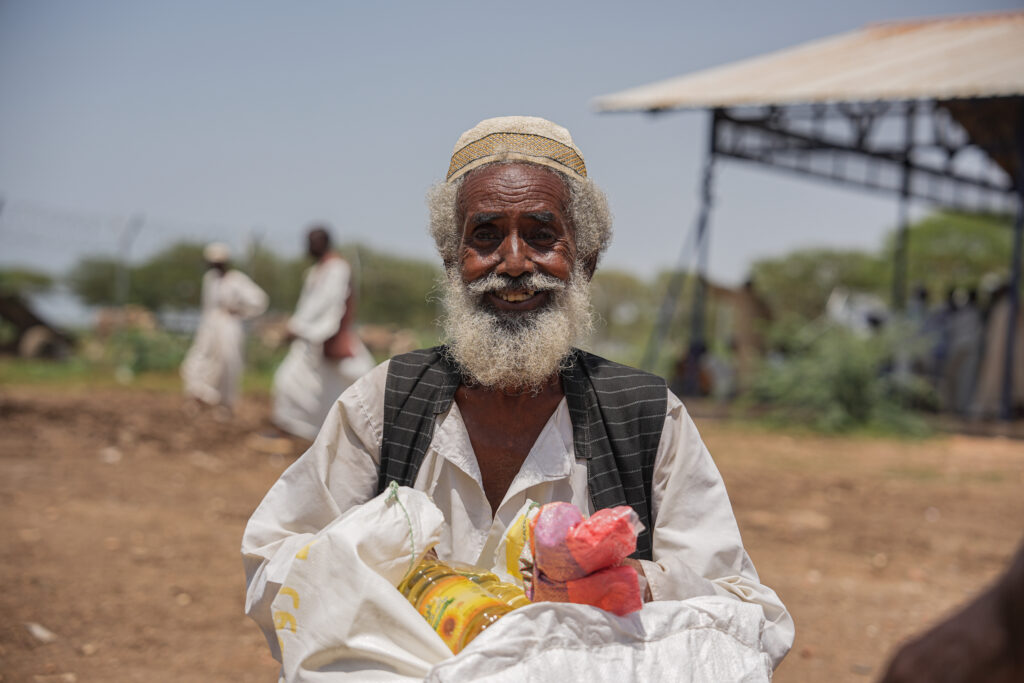
We will continue to support Sudan throughout this crisis and beyond. We will help the country rebuild when the violence ends. But for that to happen, Sudan desperately needs a ceasefire and an end to the hostilities.
The country is now unrecognisable. Families have been attacked and ripped apart; parents go without food to try and save their malnourished children, all while trying to survive in unimaginable conditions. Islamic Relief once again calls on international governments to reinvigorate efforts to end the conflict.
While we continue to call for action in Sudan, help Islamic Relief to continue supporting people in desperate need in of aid. Donate to our Sudan Emergency Appeal today.