Islamic Relief Worldwide is pleased to publish its project evaluation reports online in order to communicate the impact of its programmes to the public, and to share learning. We hope that doing so will contribute towards our goal of being more transparent and contributing to learning across the humanitarian and development sector.
Some caution should be exercised in citing from these reports, as they provide a snapshot covering specific issues rather than necessarily a full picture, but we hope our donors and the wider public will find them useful nonetheless. The reports will be added periodically, and so this section of our website will develop as we progress further.
Disclaimer: The content of these reports reflects the views, interpretations or opinions of the authors or consultants responsible for them. These reports do not necessarily reflect the views of Islamic Relief Worldwide, our funders, supporters or partners.
This is the final report of the Islamic Relief Middle East Learning Study. The study forms part of an ongoing strategic development and re-orientation process for Islamic Relief Worldwide (IRW), both globally and within the Middle East and North Africa (MENA) region. The study reviews programming from 2021 to 2025 in seven IRW country offices most affected by regional Middle East crisis: Gaza, Iraq, Jordan, Lebanon, Syria, Türkiye, and Yemen. It was conducted by TANGO International in collaboration with IRW.
This final evaluation assesses the performance and quality of IR’s earthquake response using OECD DAC criteria. Covering both phases, the evaluation focuses heavily on Phase Two’s agriculture and livestock programming in Syria. It examines relevance, effectiveness, efficiency, impact, sustainability, and adherence to humanitarian standards. Key goals include evaluating outcome achievement, identifying lessons learned, and guiding future programming.
Islamic Relief Worldwide’s (IRW) Field Office Complaints and Feedback Policy is a cornerstone of IRW’s commitment to its core values of sincerity, compassion, social justice, custodianship, and excellence. It aligns with external standards such as the Core Humanitarian Standard (CHS) on quality and accountability, which IRW has integrated into its organizational systems through frameworks like Ihsan (Excellence) and the Monitoring, Evaluation, Accountability, and Learning (MEAL) Framework. This evaluation was initiated to understand how well the policy functions at both strategic and operational levels, and sought to explore the policy’s clarity, accessibility, and alignment with international standards, as well as its effectiveness and application in addressing complaints and feedback from rightsholders and stakeholders.
“FINAL EVALUATION REPORT Of DEC funded “Food Security, Livelihoods, and WASH response for vulnerable households in Kabul, Balkh and Bamyan province” Project.”
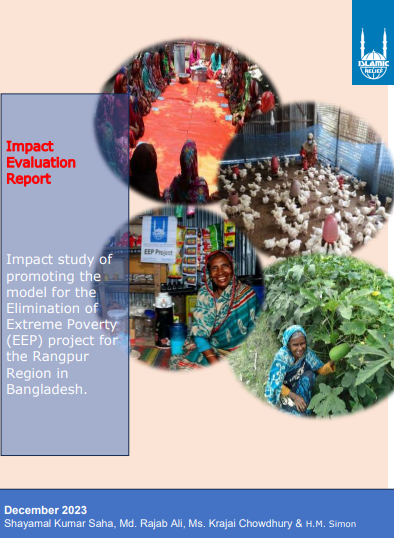
“Elimination of Extreme Poverty Project in Bangladesh – initial blurb: “Impact study of promoting the model for the Elimination of Extreme Poverty (EEP) project for the Rangpur Region in Bangladesh.”
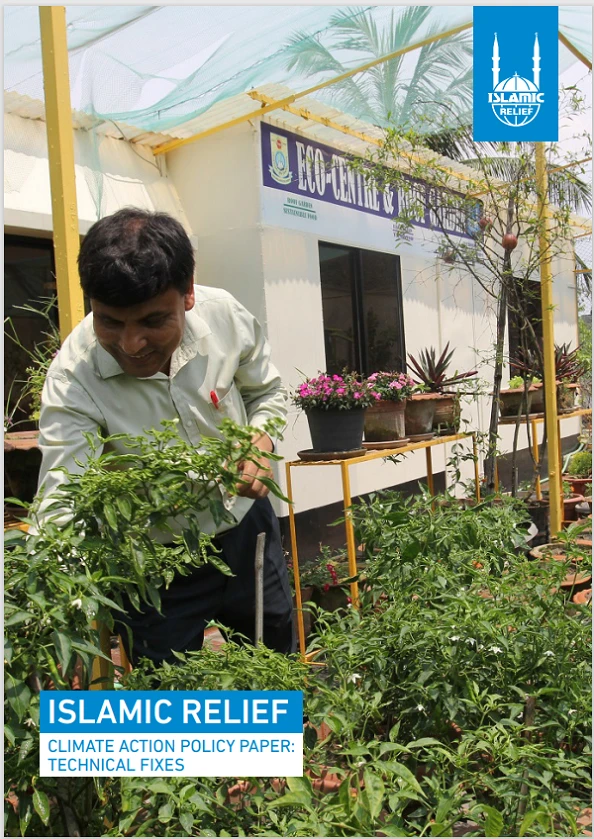
“This is a review of Islamic Relief East Africa’s (IR EA) current and recent portfolio of food security and livelihood (FSL) programmes. The purpose of this review is to assess how well the East Africa programme portfolio is aligned with IRW regional and global strategies and identify strengths, challenges, and opportunities for development.”
“The opinions expressed are those of the evaluation team, and do not necessarily reflect those of the Islamic Relief. Responsibility for the opinions expressed in this report rests solely with the authors. Publication of this” document does not imply endorsement by Islamic Relief of the opinions expressed.”
“This independent evaluation was in response to funds provided to Islamic Relief as a means of
accountability to the UK Public. The main purpose of the evaluation was three-fold, namely to assess the extent to which planned outputs and outcomes have been achieved according to OECD-DAC criteria, specifically, Relevance, Coherence, Co-ordination, Effectiveness, Efficiency, impact and Sustainability/Connectedness; evaluate the appropriateness and extent of application of quality standards, with particular focus on the Core Humanitarian Standard; and
identify lessons and good practices from this intervention to inform future responses by both IR Worldwide and IR Malawi, as well as the wider humanitarian sector.”
The project evaluated is Rural Integrated Development in Somaliland implemented in the Dacarbudhuq and Abdaal districts. The project aim was to reduce rural poverty, contribute to Somalia/Somaliland’s national development plans and sustainable development goals. The target beneficiaries were 6955 households, most of whom were deemed vulnerable when the project commenced.
The overall purpose of this final evaluation is “to document and inform the stakeholders (donors, partners and beneficiaries) of the project’s relevance, effectiveness, sustainability, the potential impact in relation to project outcomes and the lessons learned, disaggregated by age and gender.”
This document is the evaluation report for Phases 1 and 2 of the ‘East Africa Crisis Appeal, Somalia, 2017’, commissioned by IRW.
The purpose of evaluating this DEC funded project is to conduct “a systematic and impartial examination of humanitarian action intended to draw lessons to improve policy and practice and enhance accountability.” (ALNAP EHA Guide, 2005).
The devastating earthquakes of April-May 2015 in Nepal triggered a massive humanitarian response under the leadership of the Government of Nepal (GoN). Islamic Relief Worldwide (IRW) mobilised fast and launched relief operations within 24 hours of the disaster, with funding from its partners and the Disasters Emergency Committee (DEC, UK). After the relief phase (first six months), IRW launched an 18-month recovery and reconstruction programme with funding from the DEC in one district, namely Rasuwa. The response during this phase focused on three outcomes, namely:
As the project came to an end in April 2017, IRW commissioned this independent evaluation to assess overall performance of the project with reference to the outcomes and outputs, as well as draw lessons for future programme. The evaluation used the internationally accepted (OECD/ DAC) evaluation criteria for evaluating humanitarian action, and examined the quality of interventions, as well as aspects of accountability as per Core Humanitarian Standards (CHS).
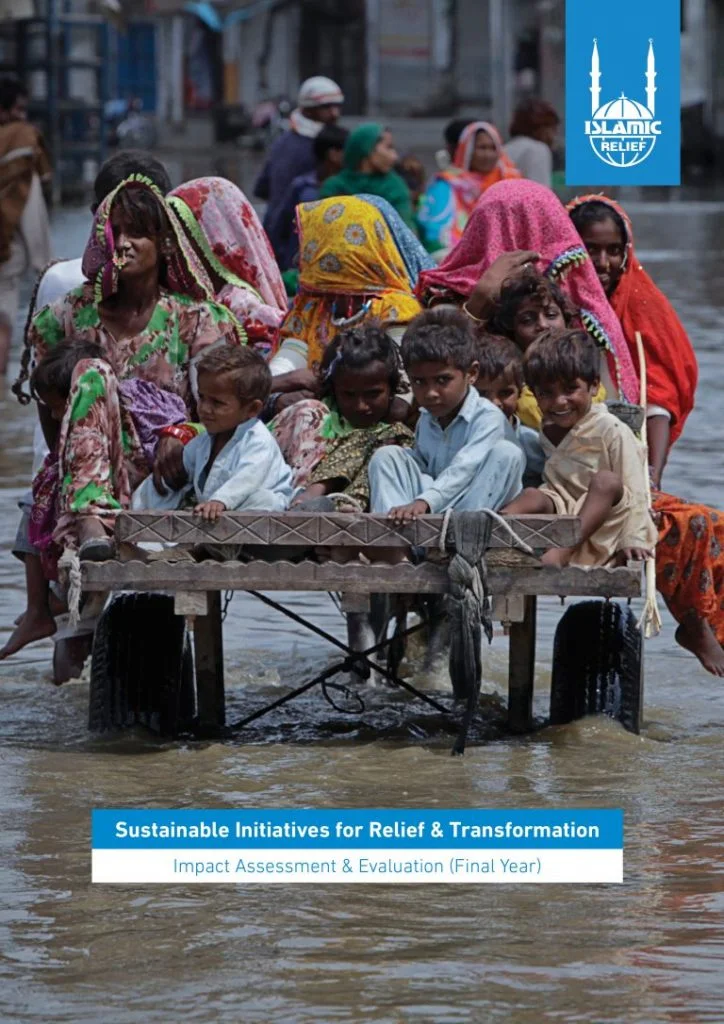
This report documents the findings from the evaluation of the Sustainable Initiatives for Relief & Transformation (SIRAT) project. IRP implemented this project in two areas of Pakistan; namely Baluchistan and Sindh. Both are amongst the most deprived and calamity hit provinces of the country. The SIRAT project aimed to build the resilience of the targeted communities through social mobilisation. This project also focused on the provision of diversified portfolio of disaster resilient livelihoods, access to clean water, and in community development and advocacy.
“Elimination of Extreme Poverty Project in Bangladesh – initial blurb: “Impact study of promoting the model for the Elimination of Extreme Poverty (EEP) project for the Rangpur Region in Bangladesh.”
We will always treat your personal information with the utmost care and will keep it private (read our privacy policy). You can opt out at any time by contacting us via email at IslamicReliefWorldwide@irworldwide.org or by clicking the unsubscribe button on one of the emails you receive from us.
Zia Salik was appointed Interim Director of Islamic Relief UK in 2025, and brings with him over 18 years of third sector experience. He has held several leadership roles within Islamic Relief UK, including National Events Coordinator, National Community Fundraising Manager, Head of Fundraising, and Deputy Director. Zia has led national fundraising strategies, managed large-scale campaigns and events, and contributed significantly to volunteer development, donor engagement and public outreach.
As Interim Director, Zia oversees multiple teams and contributes to strategic planning, operational leadership and organisational growth. He is recognised for his expertise in major donor management, public speaking, media engagement and community fundraising. Zia has been instrumental in building strong community networks and delivering impactful campaigns.
Before joining Islamic Relief, Zia served as Programmes Manager at Humber All Nations Alliance, where he led organisational growth, project delivery and funding proposals.
Zia is a seasoned leader committed to social justice, who brings a collaborative, mission-driven approach to his work, helping to amplify voices and maximise impact in the charity sector.
Nadeem has a wealth of experience from the charity, statutory and private sectors. He is the Managing Director of HAD (a division of IRW) which is a centre of excellence seeking to empower the humanitarian sector and maximise its effectiveness and from October 2025 will serve as our interim CEO.
Before joining Islamic Relief, for nearly a decade at the General Medical Council — a globally recognised professional regulator — Nadeem managed strategic relationships with Chief Medical Officers and senior leaders. Prior to that, he served as the UK Director of Islamic Help, engaging closely with many international non-governmental organisations and playing a key role in fundraising and media activities.
In 2000, Nadeem was admitted as a solicitor. He spent nearly 8 years as a Partner at a law firm specialising in employment, regulatory and charity law. He has published papers, including in the Modern Law Review, and chapters in books.
Nadeem is deeply committed to strengthening civil society organisations and the charity sector, and throughout his career has focused on improving foundations for future generations and building strong networks. Nadeem has particular expertise working in matters of Learning and Development, especially personal and professional development, combining Islamic principles with modern techniques and interventions. He is also especially interested in psychological perspectives and cognitive distortions. He has designed and delivered training to thousands of people for nearly 3 decades.
As well as individual development and growth, Nadeem has spent 20 years working with organisations to manage and lead people to improve outcomes and efficiencies. He is a Consultant Coach, qualified at ILM Level 5 in Effective Coaching and Mentoring and ILM Level 7 in Executive and Senior Leadership Coaching. He was Chair of the Independent Advisory Group for the Professional Standards Department of West Midlands Police for 4 years, where he was awarded recognition for his ‘Outstanding Work.’
Saqeb Mueen
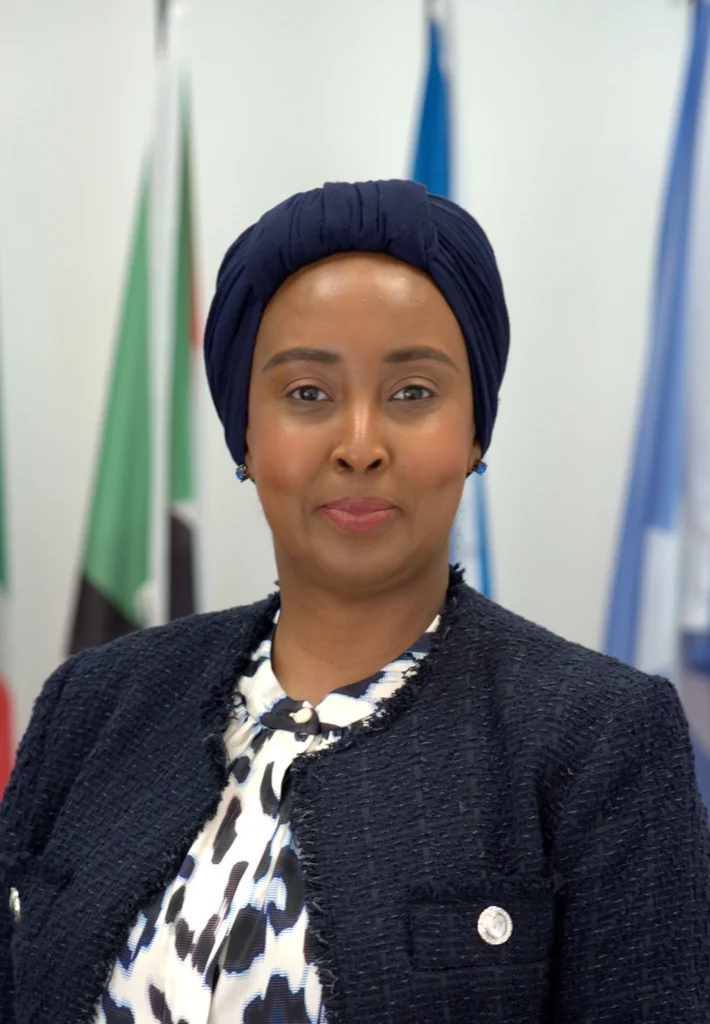
Asha joined Islamic Relief in 2025 with the aim of working with colleagues to create an environment where everyone feels valued, empowered, and motivated to contribute meaningfully to our shared mission.
Asha has more than 20 years of experience in HR leadership across a range of industries, holding roles at Thomson Reuters, BMW, Movado Group and others. She is passionate about building strong, resilient teams and fostering positive workplace cultures where individuals are empowered to thrive, contribute and do their best work.
Asha holds a BA in Management, Economics and Law, as well as a BA in Business Studies. She is an Associate Member of the Chartered Institute of Personnel Development.
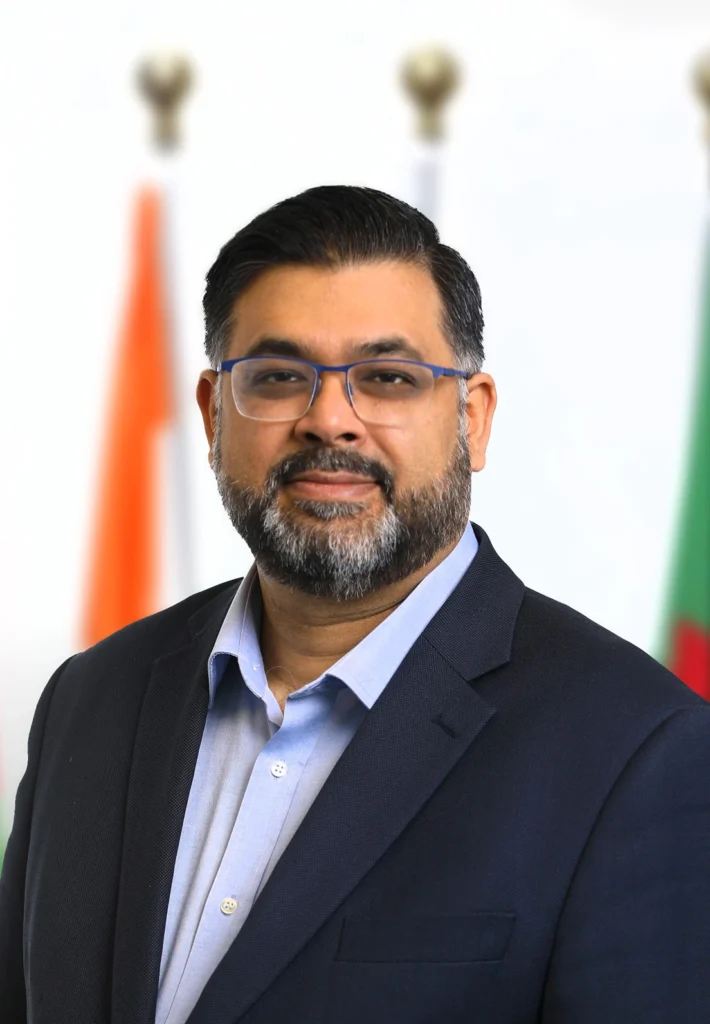
Adnan joined Islamic Relief in 2004 as a regional fundraiser in the UK. He worked in multiple roles over 10 years at Islamic Relief UK, including setting up the first digital team and leading the growth of digital fundraising and engagement. Adnan also led numerous fundraising and marketing campaigns, which played a significant part in the growth of Islamic Relief UK.
Having moved to Islamic Relief Worldwide in 2014, Adnan has held different roles that have helped grow Islamic Relief’s global digital footprint into new geographic territories, supporting Islamic Relief members with their digital and marketing growth as well as developing new products and initiatives for the Islamic Relief family.
Adnan graduated in Industrial Design and Technology from Loughborough University. He has since completed an Advanced Diploma in Business Administration from Durham University and a Diploma in Digital Marketing from the Institute of Data and Marketing.
Nadeem Azhar
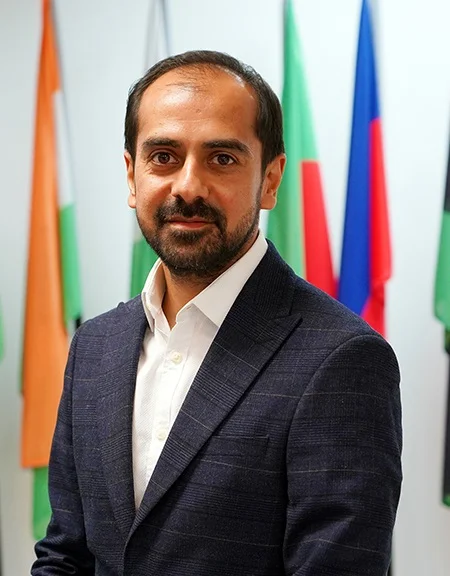
Nadeem joined Islamic Relief Worldwide in September 2022. He has worked in the charitable sector for over a decade.
He studied Modern History and Politics at Manchester University, and at the University of Law in London before qualifying as a solicitor in 2011.
Nadeem is an experienced corporate, commercial and governance lawyer, having worked with various faith-based and grant making charities as well those in health and education settings. He was a partner at a law firm in London before moving in-house where he focused on setting up and restructuring charities and social enterprises.
Most recently, Nadeem was Lead Counsel at Mind, a leading mental health charity, where he co-authored a new federation agreement, revamped legal processes, and played a major role in developing its strategic and fundraising partnerships.
Nadeem has been a charity trustee for the Seafarers Charity, as well as many grant-making bodies and theatre companies.
Salaheddin joined Islamic Relief UK in 2006 and over the next 7 years held multiple roles, including Community Fundraiser and Campaigns Manager, before joining Islamic Relief Worldwide in 2013.
Since then, Salaheddin has been instrumental in the launch and growth of new Islamic Relief member offices in Ireland, Spain, Norway and Finland, as well as providing essential support and guidance to existing members, including Italy, where he served as CEO for 3 years.
In 2023, Salaheddin became Deputy Director of Global Family Development and in this role has continued to play a crucial part in steering Islamic Relief’s growth and expansion. He has also led global fundraising and media engagement for major emergencies including the Türkiye-Syria earthquake and Libya floods. Salaheddin became the Interim Director of Global Family Development in 2025.
Salaheddin holds a master’s degree in International Development and is actively involved in several community-led initiatives. He is currently the Vice President of the International Union of Muslim Scouts and Deputy Chair of the UK Muslim Scouts Fellowship as well as Chair of the South Birmingham Muslim Community Association.
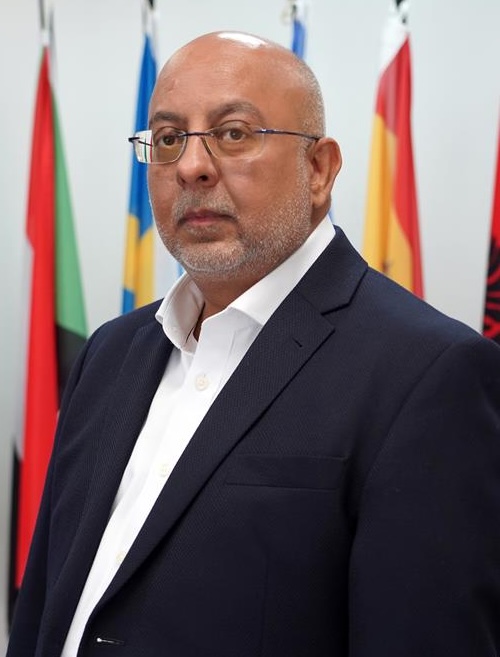
Martin Cottingham joined Islamic Relief in 2012 as IRUK Media Relations Manager, and was appointed Head of Communications in 2015 before taking up his current position as Director of External Relations and Advocacy for Islamic Relief Worldwide.
Martin has helped Islamic Relief to increase its mainstream media profile and expand its campaigning work, producing hard-hitting advocacy reports on floods in Pakistan (2011) famine in Somalia (2012) disaster risk reduction (2013) and aid to Afghanistan (2014). He has over 20 years’ experience working in media, communications and marketing roles for international development and environmental charities.
Martin graduated from the University of London with a degree in English and Drama (1982-85) then trained as a journalist with a postgraduate diploma at City University (1986-87). He has previously worked for Christian Aid as Editor of Christian Aid News and Media Relations Manager (1988-97) for Oxfam as Regional Campaigns Manager (1997-2000) and at the Soil Association as Marketing Director (2001-2006), as well as working for a wide range of organisations as a freelance writer, researcher and communications consultant.
Waseem Ahmad joined the Islamic Relief family over 24 years ago, serving as Programme Officer in the Balochistan province of south-western Pakistan before becoming Head of Programmes in Pakistan. Waseem then moved to Oxfam and Tearfund before returning to Islamic Relief to establish our mission in Malawi. Later serving as Head of Programme Funding and Partnerships, Waseem led the response to major crises across the globe, including the East Africa drought, Pakistan earthquake and the Indian Ocean Tsunami.
Waseem then served for nearly 6 years as our Director of International Programmes, during which time the charity secured and retained the coveted Core Humanitarian Standard certification in recognition of the quality of our programming. He was appointed CEO of Islamic Relief in May 2021.
With a special interest in community mobilisation and infrastructure, Waseem received an MSc in Project Planning and Management from the University of Bradford, as well as an MSc in Economics from Arid Agriculture University in Rawalpindi, Pakistan.
Waseem has also worked for Lepra Health in Action and is a member of the International Civil Society Centre’s Board of Trustees. The father-of-3 enjoys walking and playing football, and is a keen birdwatcher.