World Humanitarian Day is not about the moment a crisis makes the news. It is about the people still working to support affected people long after they disappear from the headlines.
There is a pattern to how the world pays attention to human suffering. A crisis breaks, appeals launch, and for a few weeks the crisis is visible and the response is generous. But news stories age quickly and the cameras move to the next emergency – the crisis is quietly forgotten.
Nothing has changed for the people enduring the crisis, however. The conflict has not ended. The floodwater has not dispersed. The displacement camp has not emptied. Only the eyes of the world have turned away. And still the actual humanitarian work is just beginning.
What humanitarian work really looks like
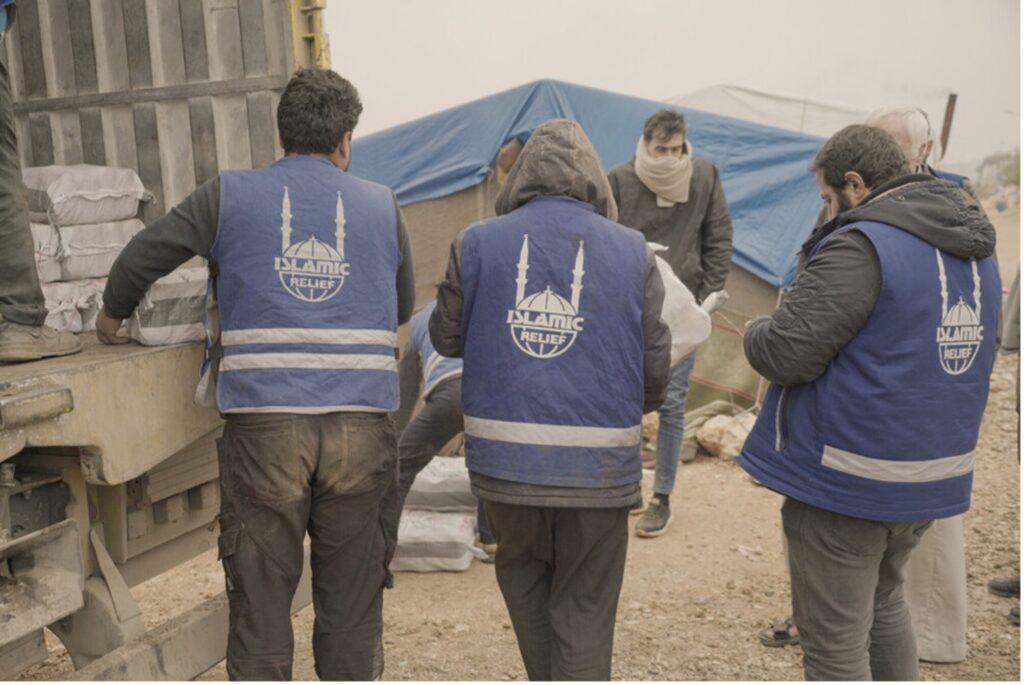
Long-term support looks like a clinic that keeps its doors open 2 years after the appeal that first built it has ended. A kitchen still serving meals long after the article that described it has disappeared from everyone’s feed. A team distributing clean water through a drought that dropped from the headlines 3 summers ago.
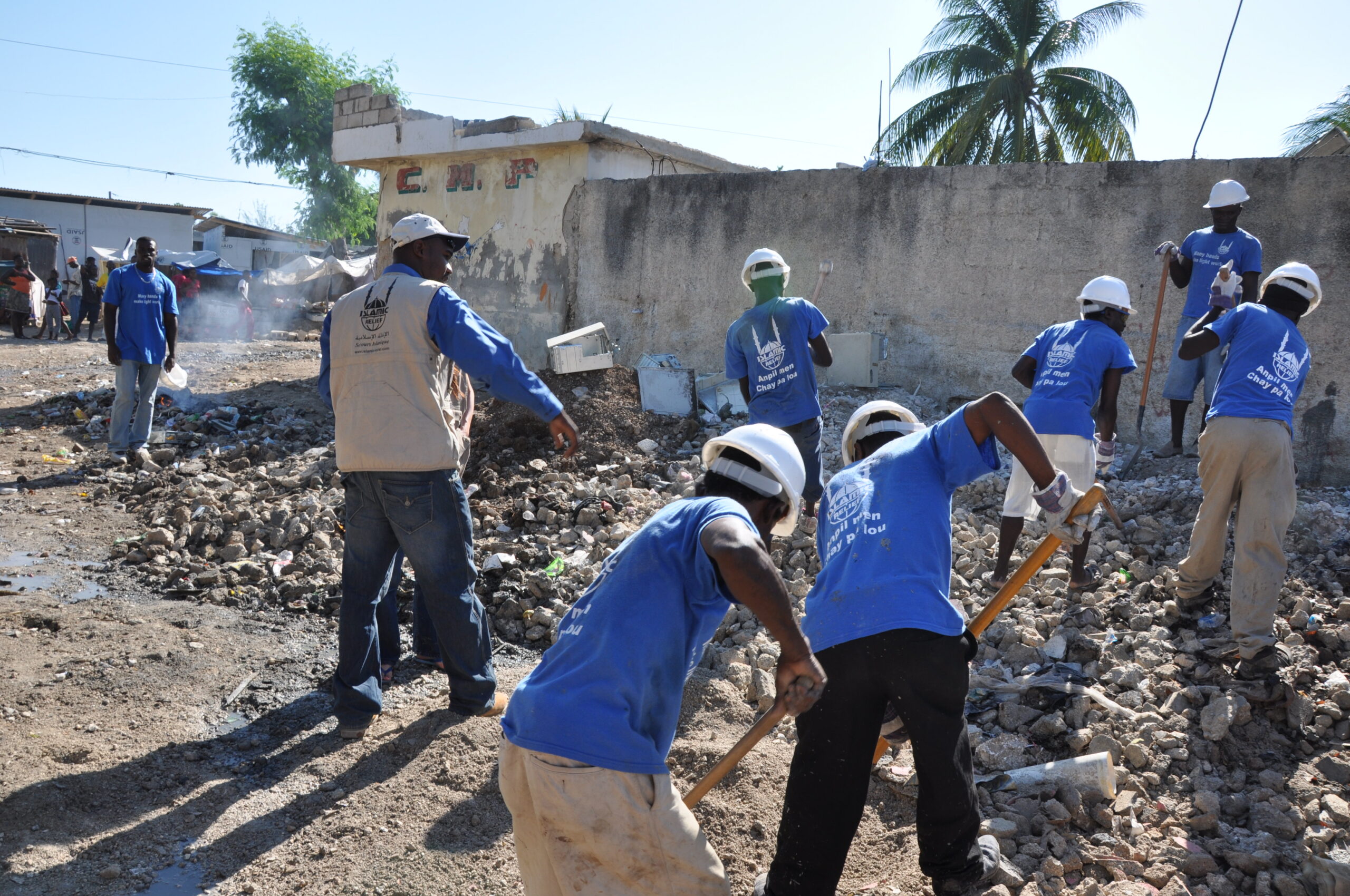
Across every context where Islamic Relief works, from Sudan to Pakistan, from Gaza to the countries whose crises have never even make international headlines, the same thing is true: the people delivering humanitarian support are overwhelmingly local – national and local staff working in their own communities who were there before the international response and will be there long after it withdraws.
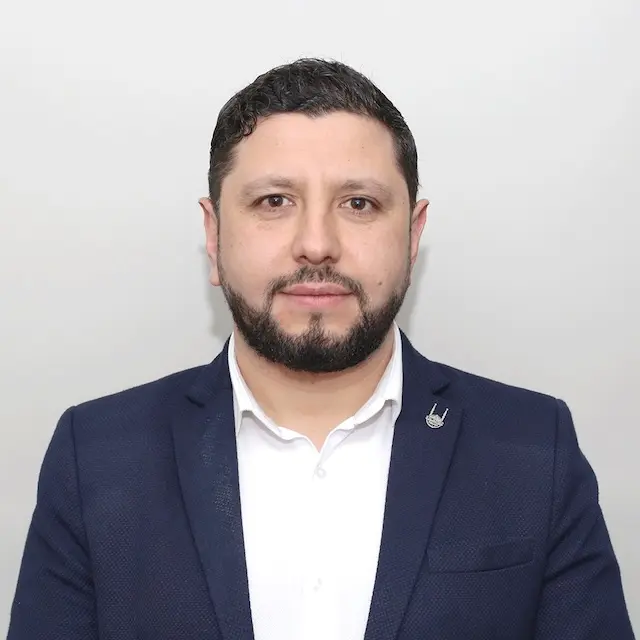
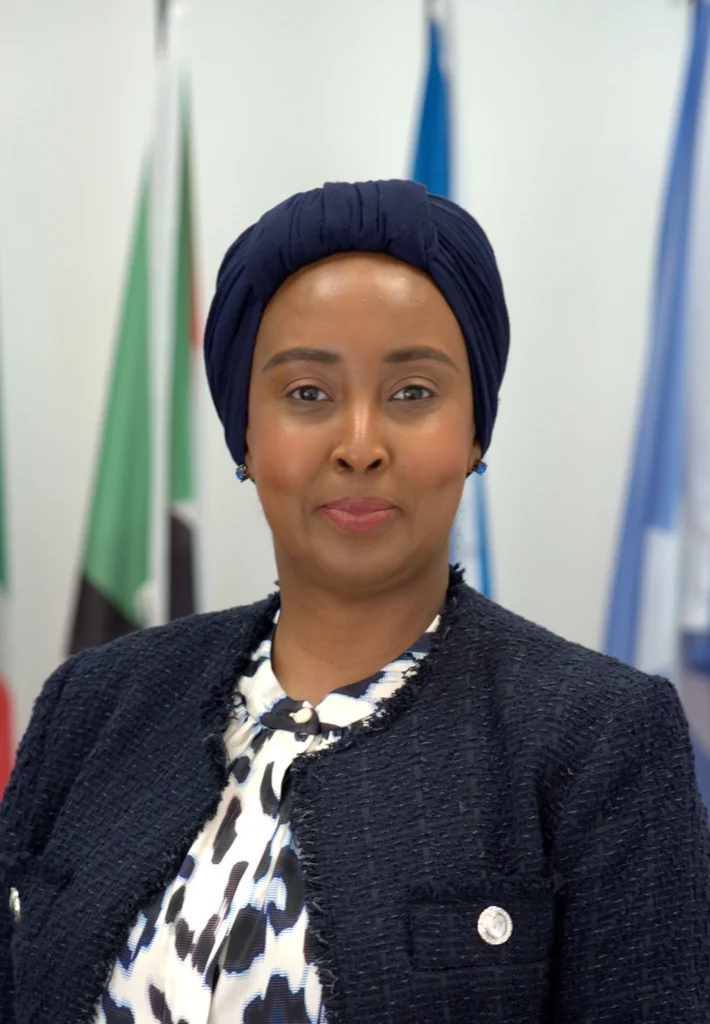
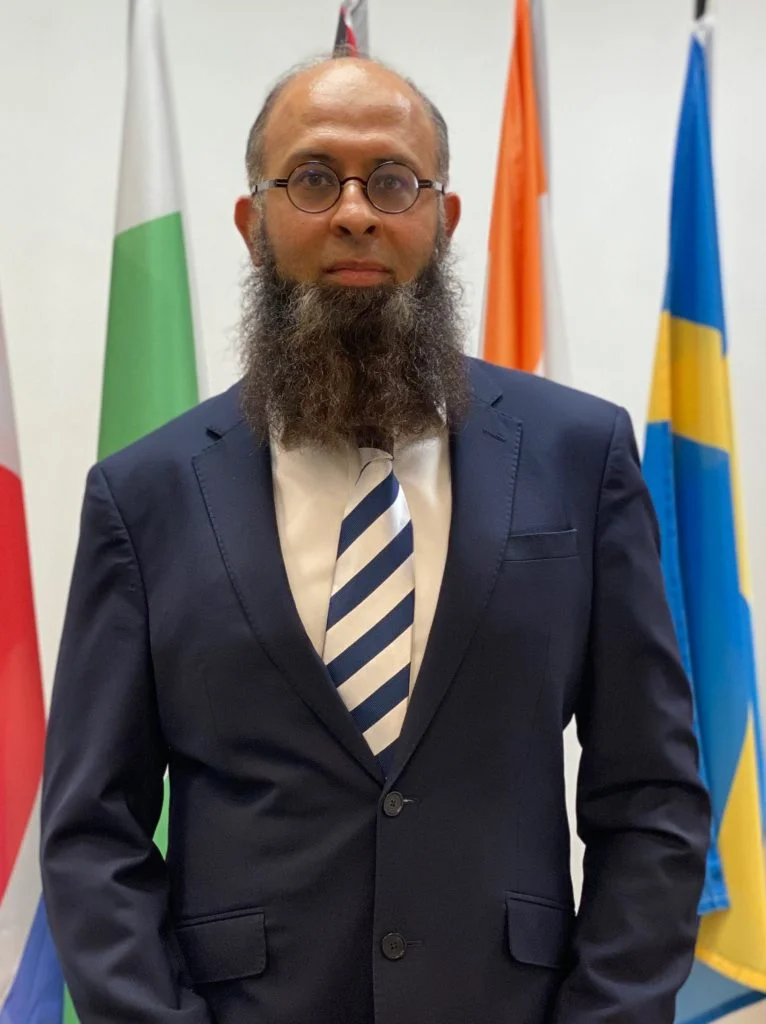
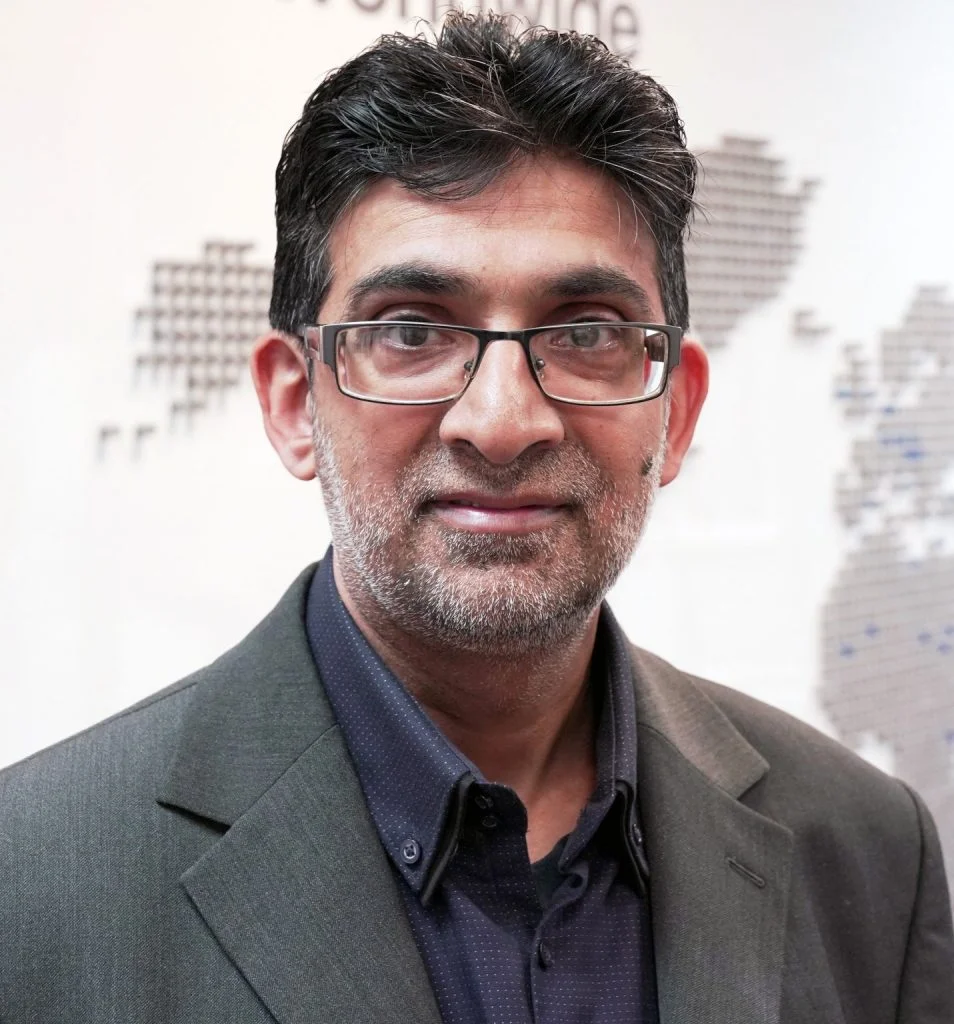
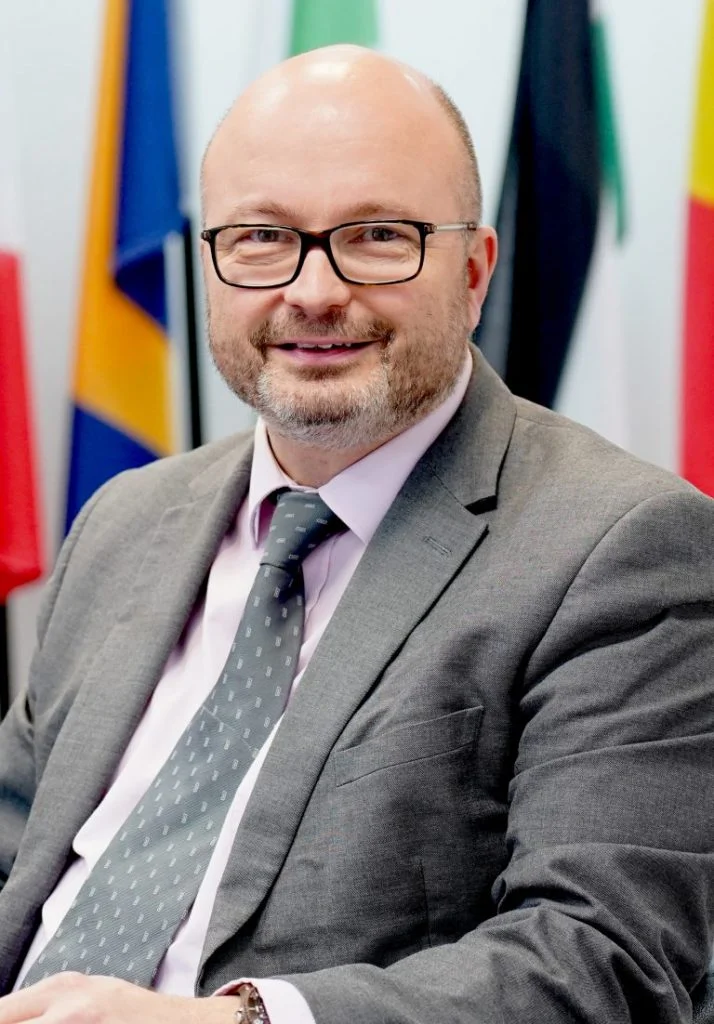
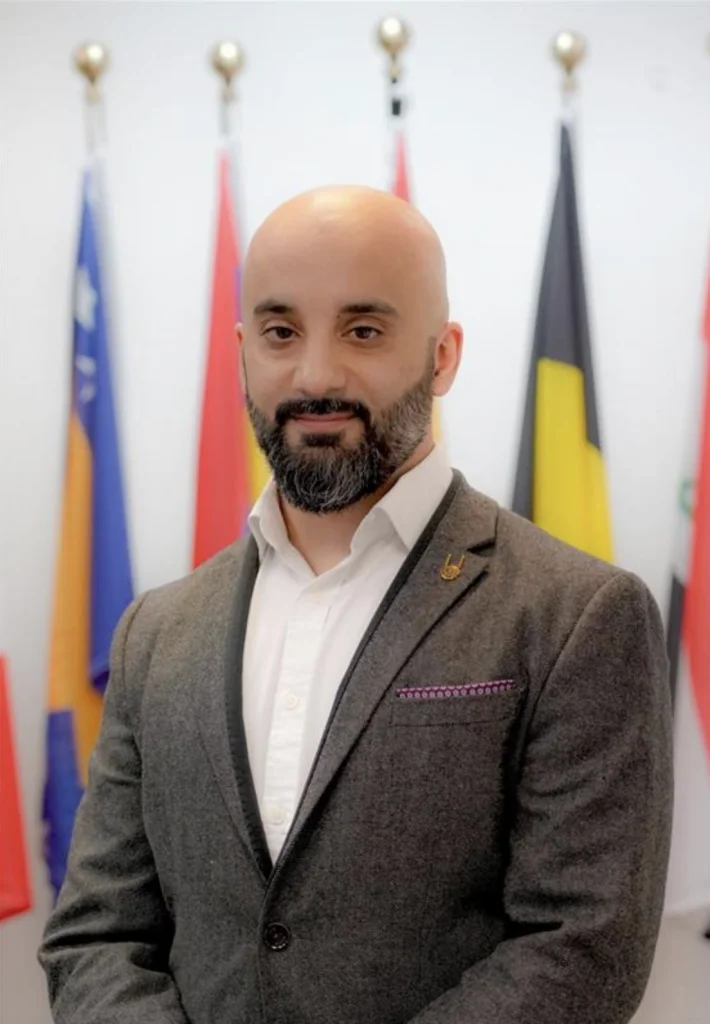
“When it started, everyone wanted numbers and photographs,” Nada Abdulhmeed Abo Taleb, speaking during her time as media and communication coordinator for Islamic Relief Yemen, says. Nada has witnessed Yemen’s prolonged humanitarian catastrophe unfold firsthand. “The calls have stopped now. The families have not. There are more of them this year than last.”
The hardest period for most people Islamic Relief serves is rarely the emergency itself, when help floods in. It is the long stretch afterwards, in month 8, in year 3, when the emergency has become an ordinary fact of life and the generosity has moved on with the news.
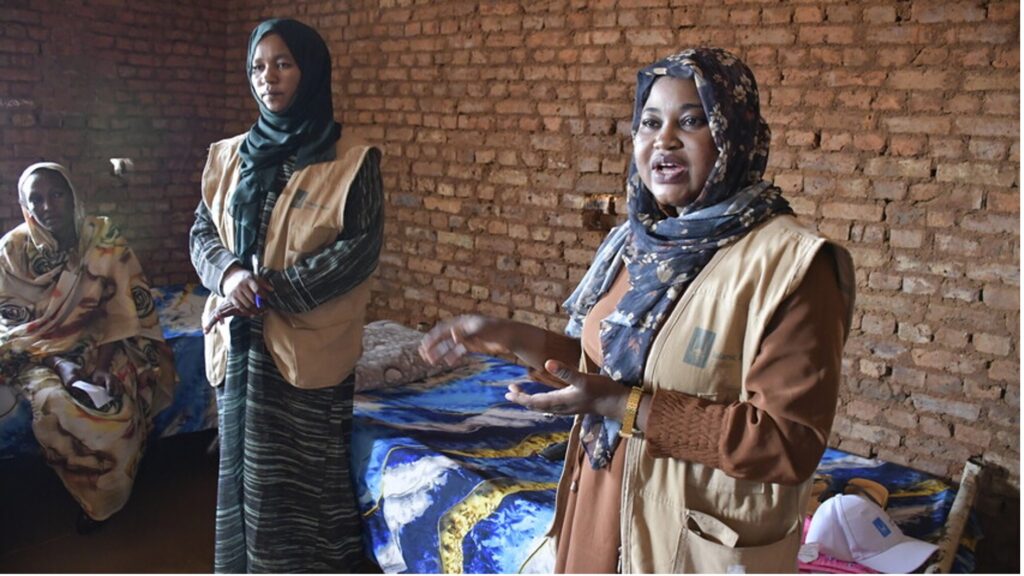
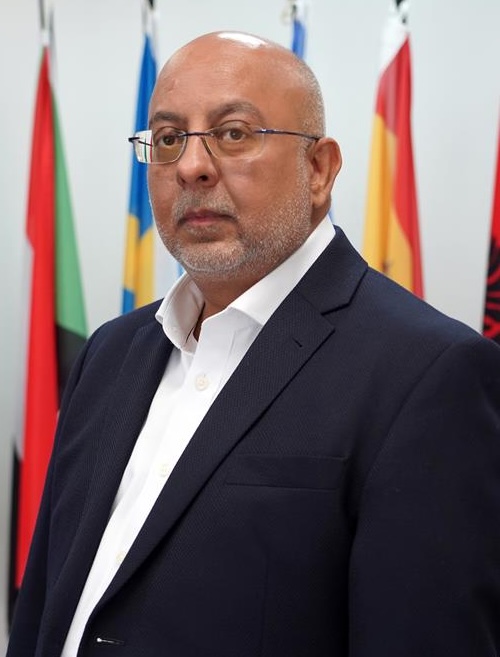
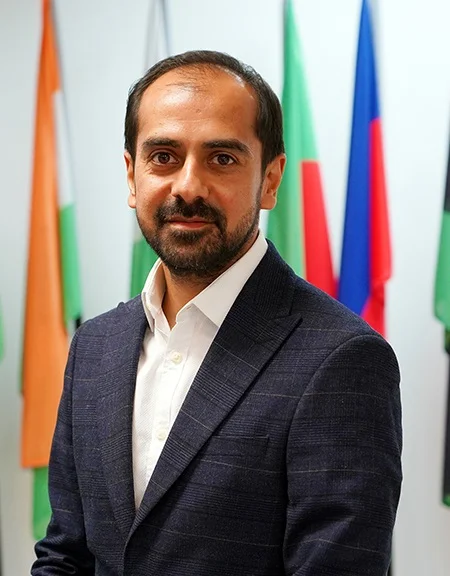
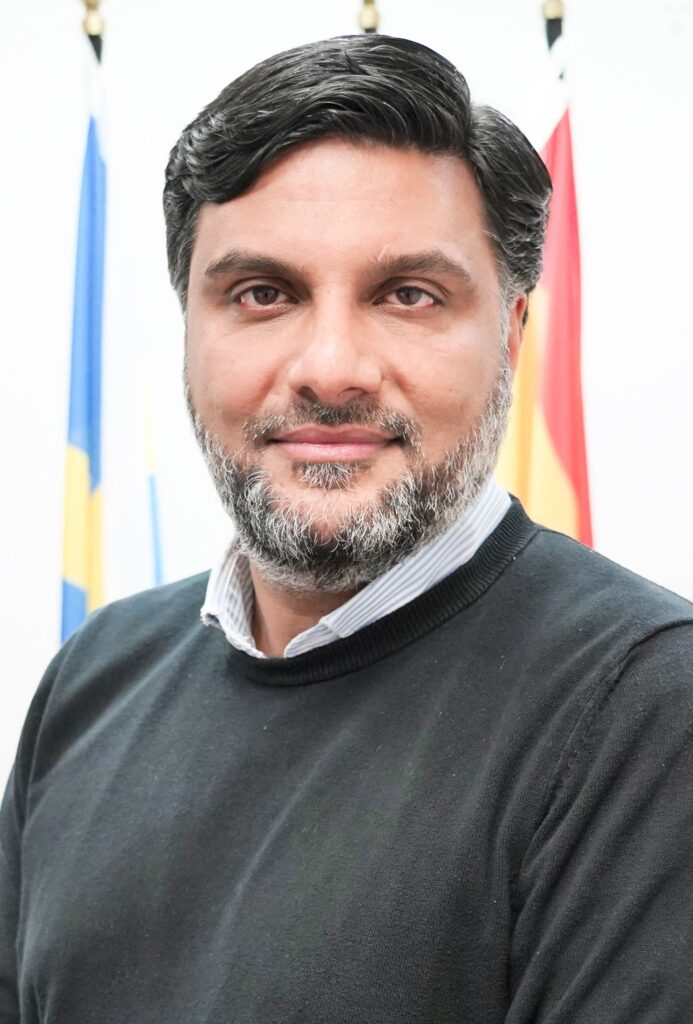
“People ask if it is hard to keep working when no one is watching,” says Shihab Mohamedali, Senior Programme Manager for Islamic Relief Sudan. “But we are not doing it to be watched. This is my home. If I leave, who does the work tomorrow?”
Why long-term support is so important
A story has an ending. A family’s life does not. When we tie our commitment to how visible a crisis is, we let a system built for attention decide who deserves help.
Presence is how we refuse that.
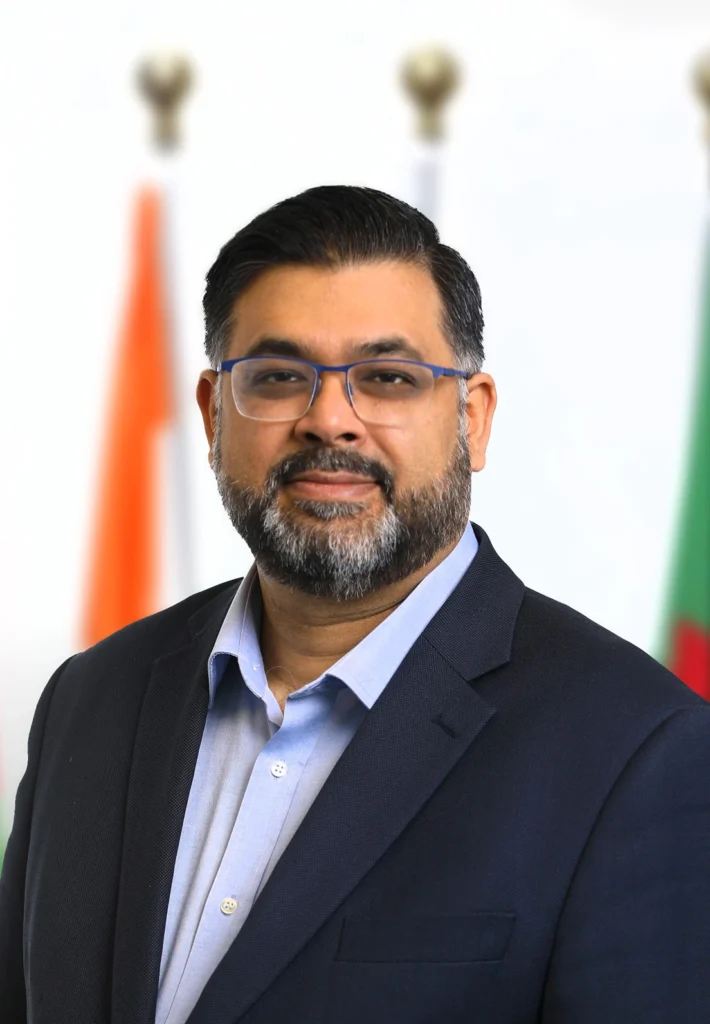
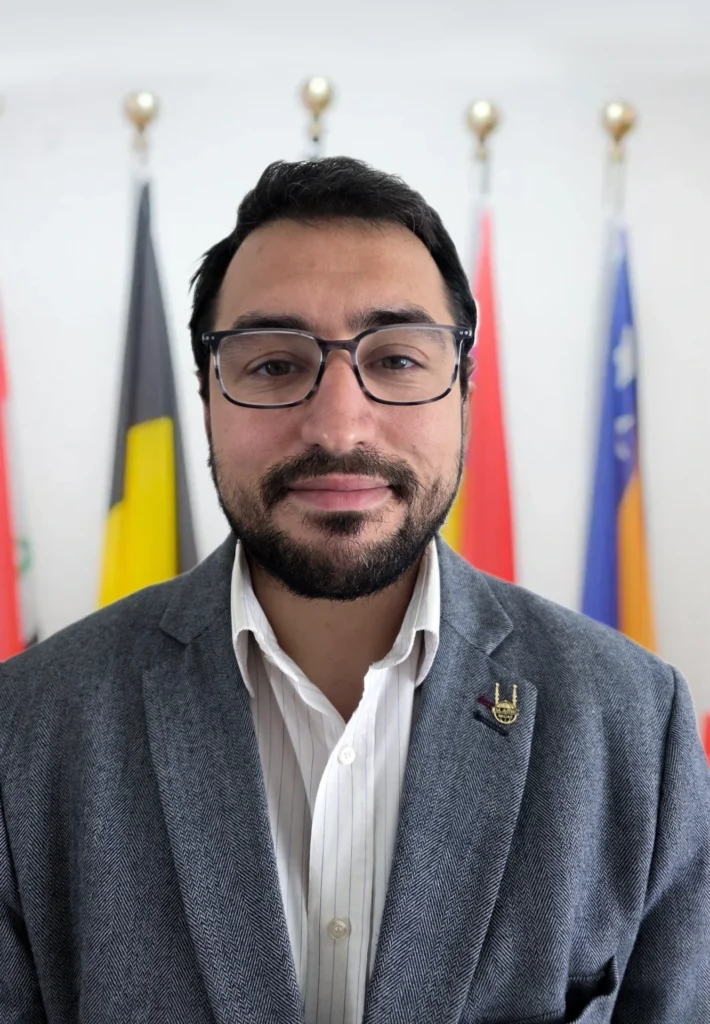
“Honestly, the person we are handing a bag of flour to, and our colleagues are all breathing the same dust, we are running from the same strikes,” explains Eman Al Madhoun, MEAL Officer for Islamic Relief Palestine.
“There is no safe room they can duck into at the end of their shift. They are not working behind the lines; they are working right on top of them. In Gaza, the lines don’t exist. It’s just wherever the next bomb lands.”
This is hard, often dangerous work.
World Humanitarian Day exists to remember those who were injured or killed while carrying out humanitarian work, these incidents occurring in countries the camera lens had already turned away from.
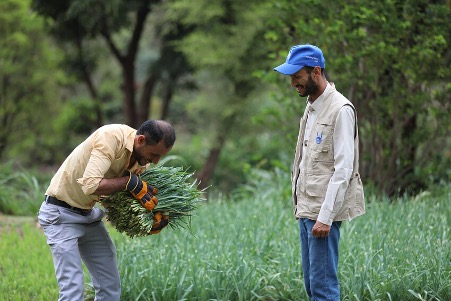
What staying behind costs, and what it’s worth
The aid workers World Humanitarian Day honours will not read tributes to themselves. Most of them will be working today doing the ordinary and unglamorous things that keep those more vulnerable alive.
That is the quiet truth of humanitarian work. It is measured not in the weeks a crisis is loud, but in the years after it goes silent. The world will always move on to the next emergency. The people who stay, working behind the scenes, are what stand between a forgotten crisis and the people inside it.
This World Humanitarian Day, look toward the crises the world has already left behind. That is where the work is. That is where it has always been.
Please continue supporting Islamic Relief so that we can reach more people in need. Donate now.