
Serving humanity across 40+ countries
You are on Islamic Relief Worldwide site, which provides global content. For UK-specific information and projects you may also visit Islamic Relief UK.
Islamic Relief Worldwide
You are on Islamic Relief Worldwide site, which provides global content. For UK-specific information and projects you may also visit Islamic Relief UK

Qurbani, also known as udhiyah – means sacrifice.
Every year during the month of Dhul Hijjah, Muslims around the world slaughter an animal – whether that be a goat, sheep, cow or camel – to reflect the Prophet Ibrahim’s willingness to sacrifice his son Ismail, for the sake of God.
By giving qurbani, Muslims follow in Ibrahim’s footsteps and remember his devotion to Allah (SWT), and their obligation to the less fortunate.
Donating qurbani is highly recommended by the majority of scholars, and obligatory in the Hanafi madhab (school of thought) for every Muslim who is able to do so.
The story of qurbani harks back to when the Prophet Ibrahim agreed to sacrifice his son Ismail to show his devotion to God. As a divine intervention, a ram was provided in place of his son, signifying the acceptance of his devotion.
Ibrahim’s sacrifice reflects the core values of faith, obedience, and selflessness in Islam.
Muslims commemorate Ibrahim’s sacrifice and his devotion, by sacrificing an animal in the name of Allah (SWT) and then using that meat to feed the poor. The act of qurbani serves as a demonstration of gratitude and an act of spiritual purification.
Qurbani reinforces the principles of compassion and charity in Islam, as the meat from the slaughter is divided and distributed among the less fortunate, as well as among family, and friends.
By following the rules of qurbani and engaging in this act of worship, Muslims align themselves with the legacy of Prophet Ibrahim. Observing qurbani rules and understanding the importance of providing for others offers the chance for spiritual growth and enhances the connection with Allah (SWT).
There are several references to the act of sacrifice in the Qur’an.
And complete the Hajj and ‘umrah for Allah. But if you are prevented, then [offer] what can be obtained with ease of sacrificial animals. And do not shave your heads until the sacrificial animal has reached its place of slaughter. And whoever among you is ill or has an ailment of the head [making shaving necessary must offer] a ransom of fasting [three days] or charity or sacrifice. And when you are secure, then whoever performs ‘umrah [during the Hajj months] followed by Hajj [offers] what can be obtained with ease of sacrificial animals. And whoever cannot find [or afford such an animal] – then a fast of three days during Hajj and of seven when you have returned [home].
[Qur'an | Surah Al-Baqarah | 2:196]
And We ransomed his son with a great sacrifice, and blessed Abraham ˹with honourable mention˺ among later generations: “Peace be upon Abraham.” This is how We reward the good-doers.
[Qur’an | Surah As-Saffat | 37:107-110]
For every community We appointed a rite of sacrifice so that they may pronounce the Name of Allah over the sacrificial animals He has provided for them. For your God is only One God, so submit yourselves to Him ˹alone˺. And give good news ˹O Prophet˺ to the humble.
[Qur'an | Surah Al-Hajj | 22:34]
There is a difference of opinion among scholars as to whether qurbani can be done over 3 or 4 days. To respect this difference of opinion, Islamic Relief strives to perform qurbani in 3 days and only extend into the fourth day in certain localities where this is religiously accepted by the local Muslim population – or if there is an operational need for this extra day.
With this in mind, you should aim to give your qurbani donations in a timely manner, before the time for sacrifice ends as the sun sets on the fourth day after Eid al-Adha prayers, which is on the 13th day of Dhul Hijjah. We advise giving your qurbani as early as possible.


We will always treat your personal information with the utmost care and will keep it private (read our privacy policy). You can opt out at any time by contacting us via email at IslamicReliefWorldwide@irworldwide.org or by clicking the unsubscribe button on one of the emails you receive from us.
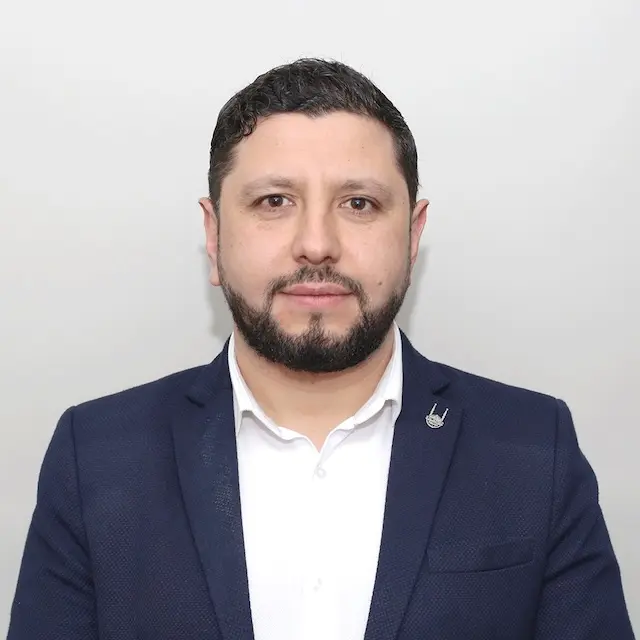
Zia Salik was appointed Interim Director of Islamic Relief UK in 2025, and brings with him over 18 years of third sector experience. He has held several leadership roles within Islamic Relief UK, including National Events Coordinator, National Community Fundraising Manager, Head of Fundraising, and Deputy Director. Zia has led national fundraising strategies, managed large-scale campaigns and events, and contributed significantly to volunteer development, donor engagement and public outreach.
As Interim Director, Zia oversees multiple teams and contributes to strategic planning, operational leadership and organisational growth. He is recognised for his expertise in major donor management, public speaking, media engagement and community fundraising. Zia has been instrumental in building strong community networks and delivering impactful campaigns.
Before joining Islamic Relief, Zia served as Programmes Manager at Humber All Nations Alliance, where he led organisational growth, project delivery and funding proposals.
Zia is a seasoned leader committed to social justice, who brings a collaborative, mission-driven approach to his work, helping to amplify voices and maximise impact in the charity sector.
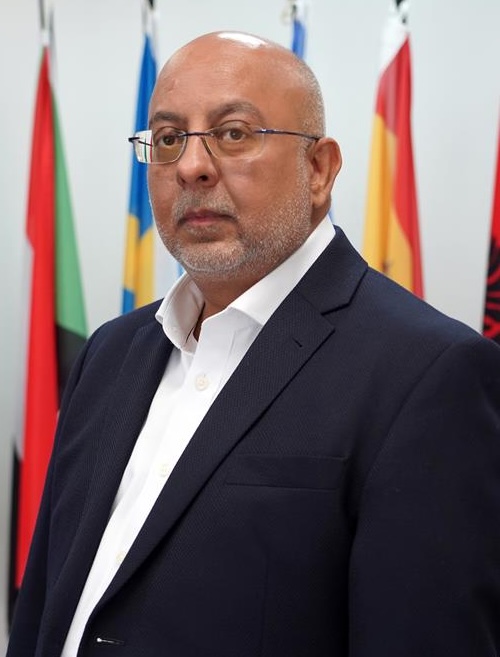
Nadeem has a wealth of experience from the charity, statutory and private sectors. He is the Managing Director of HAD (a division of IRW) which is a centre of excellence seeking to empower the humanitarian sector and maximise its effectiveness and from October 2025 will serve as our interim CEO.
Before joining Islamic Relief, for nearly a decade at the General Medical Council — a globally recognised professional regulator — Nadeem managed strategic relationships with Chief Medical Officers and senior leaders. Prior to that, he served as the UK Director of Islamic Help, engaging closely with many international non-governmental organisations and playing a key role in fundraising and media activities.
In 2000, Nadeem was admitted as a solicitor. He spent nearly 8 years as a Partner at a law firm specialising in employment, regulatory and charity law. He has published papers, including in the Modern Law Review, and chapters in books.
Nadeem is deeply committed to strengthening civil society organisations and the charity sector, and throughout his career has focused on improving foundations for future generations and building strong networks. Nadeem has particular expertise working in matters of Learning and Development, especially personal and professional development, combining Islamic principles with modern techniques and interventions. He is also especially interested in psychological perspectives and cognitive distortions. He has designed and delivered training to thousands of people for nearly 3 decades.
As well as individual development and growth, Nadeem has spent 20 years working with organisations to manage and lead people to improve outcomes and efficiencies. He is a Consultant Coach, qualified at ILM Level 5 in Effective Coaching and Mentoring and ILM Level 7 in Executive and Senior Leadership Coaching. He was Chair of the Independent Advisory Group for the Professional Standards Department of West Midlands Police for 4 years, where he was awarded recognition for his ‘Outstanding Work.’
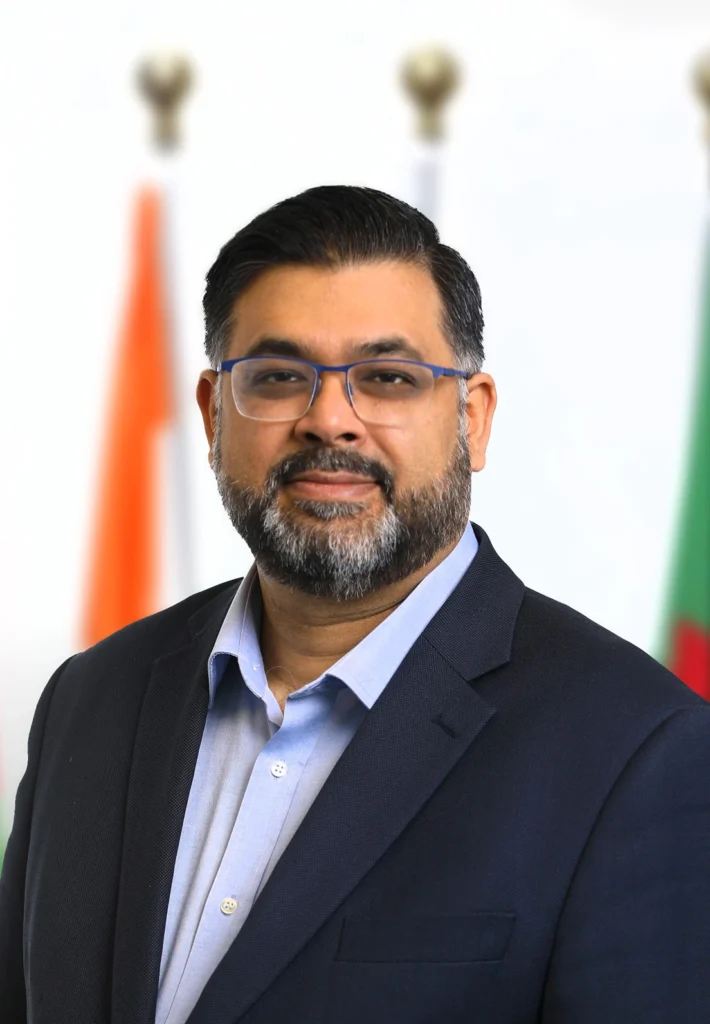
Saqeb Mueen
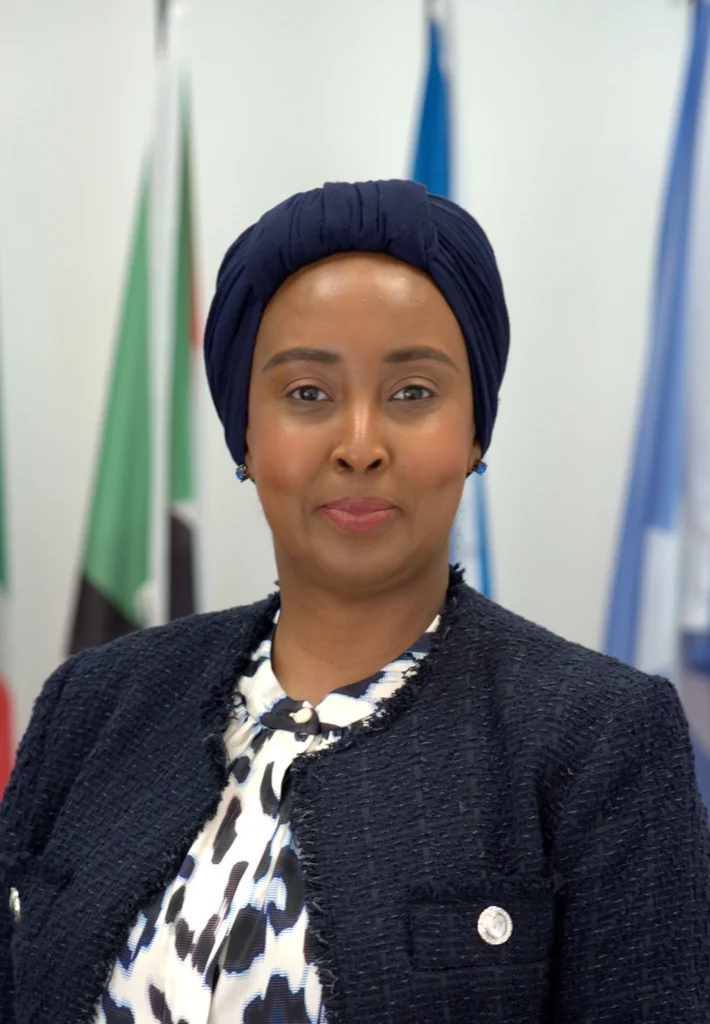
Asha joined Islamic Relief in 2025 with the aim of working with colleagues to create an environment where everyone feels valued, empowered, and motivated to contribute meaningfully to our shared mission.
Asha has more than 20 years of experience in HR leadership across a range of industries, holding roles at Thomson Reuters, BMW, Movado Group and others. She is passionate about building strong, resilient teams and fostering positive workplace cultures where individuals are empowered to thrive, contribute and do their best work.
Asha holds a BA in Management, Economics and Law, as well as a BA in Business Studies. She is an Associate Member of the Chartered Institute of Personnel Development.
Adnan joined Islamic Relief in 2004 as a regional fundraiser in the UK. He worked in multiple roles over 10 years at Islamic Relief UK, including setting up the first digital team and leading the growth of digital fundraising and engagement. Adnan also led numerous fundraising and marketing campaigns, which played a significant part in the growth of Islamic Relief UK.
Having moved to Islamic Relief Worldwide in 2014, Adnan has held different roles that have helped grow Islamic Relief’s global digital footprint into new geographic territories, supporting Islamic Relief members with their digital and marketing growth as well as developing new products and initiatives for the Islamic Relief family.
Adnan graduated in Industrial Design and Technology from Loughborough University. He has since completed an Advanced Diploma in Business Administration from Durham University and a Diploma in Digital Marketing from the Institute of Data and Marketing.
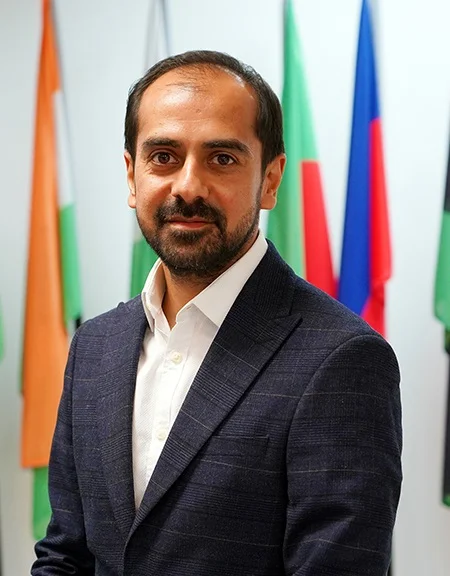
Nadeem Azhar
Nadeem joined Islamic Relief Worldwide in September 2022. He has worked in the charitable sector for over a decade.
He studied Modern History and Politics at Manchester University, and at the University of Law in London before qualifying as a solicitor in 2011.
Nadeem is an experienced corporate, commercial and governance lawyer, having worked with various faith-based and grant making charities as well those in health and education settings. He was a partner at a law firm in London before moving in-house where he focused on setting up and restructuring charities and social enterprises.
Most recently, Nadeem was Lead Counsel at Mind, a leading mental health charity, where he co-authored a new federation agreement, revamped legal processes, and played a major role in developing its strategic and fundraising partnerships.
Nadeem has been a charity trustee for the Seafarers Charity, as well as many grant-making bodies and theatre companies.
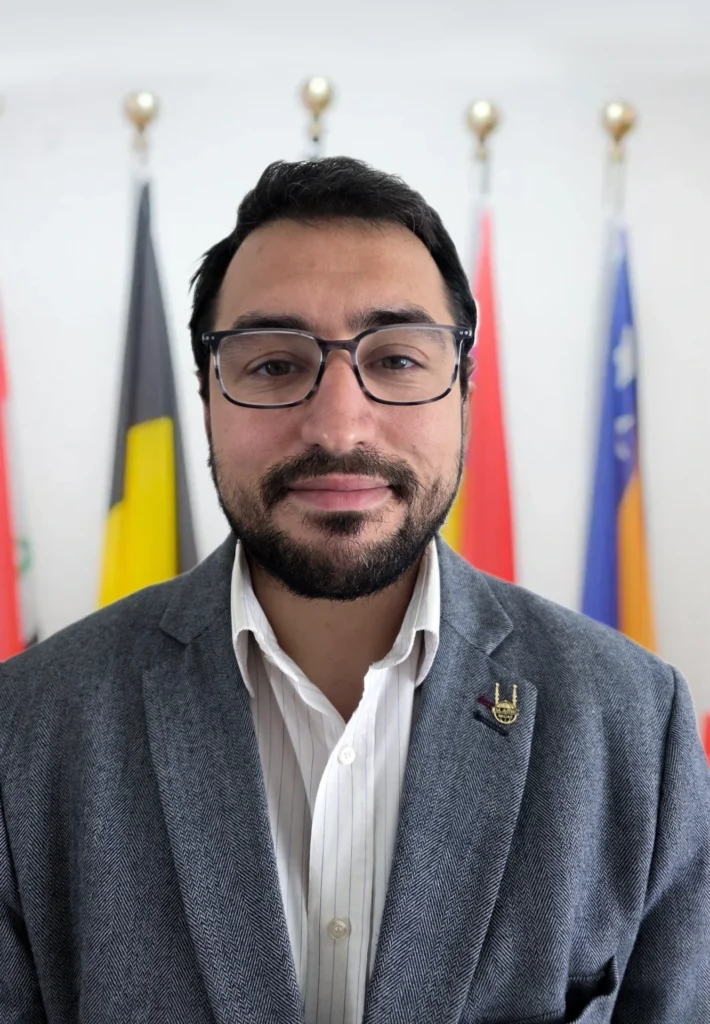
Salaheddin joined Islamic Relief UK in 2006 and over the next 7 years held multiple roles, including Community Fundraiser and Campaigns Manager, before joining Islamic Relief Worldwide in 2013.
Since then, Salaheddin has been instrumental in the launch and growth of new Islamic Relief member offices in Ireland, Spain, Norway and Finland, as well as providing essential support and guidance to existing members, including Italy, where he served as CEO for 3 years.
In 2023, Salaheddin became Deputy Director of Global Family Development and in this role has continued to play a crucial part in steering Islamic Relief’s growth and expansion. He has also led global fundraising and media engagement for major emergencies including the Türkiye-Syria earthquake and Libya floods. Salaheddin became the Director of Global Family Development in 2025.
Salaheddin holds a master’s degree in International Development and is actively involved in several community-led initiatives. He is currently the Vice President of the International Union of Muslim Scouts and Deputy Chair of the UK Muslim Scouts Fellowship as well as Chair of the South Birmingham Muslim Community Association.
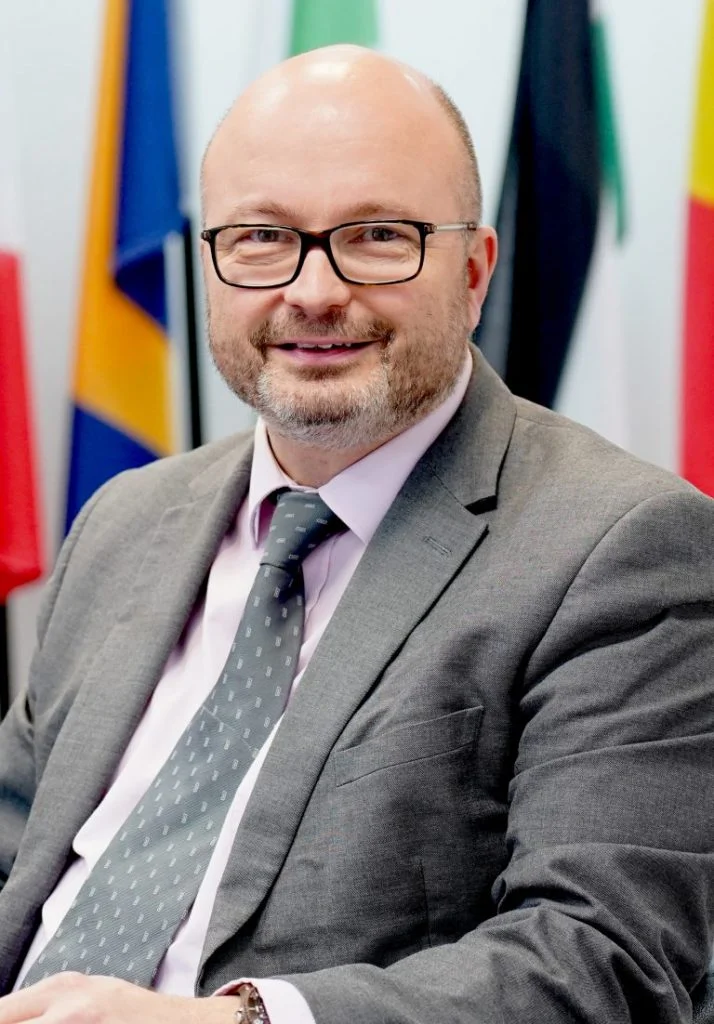
Martin Cottingham joined Islamic Relief in 2012 as IRUK Media Relations Manager, and was appointed Head of Communications in 2015 before taking up his current position as Director of External Relations and Advocacy for Islamic Relief Worldwide.
Martin has helped Islamic Relief to increase its mainstream media profile and expand its campaigning work, producing hard-hitting advocacy reports on floods in Pakistan (2011) famine in Somalia (2012) disaster risk reduction (2013) and aid to Afghanistan (2014). He has over 20 years’ experience working in media, communications and marketing roles for international development and environmental charities.
Martin graduated from the University of London with a degree in English and Drama (1982-85) then trained as a journalist with a postgraduate diploma at City University (1986-87). He has previously worked for Christian Aid as Editor of Christian Aid News and Media Relations Manager (1988-97) for Oxfam as Regional Campaigns Manager (1997-2000) and at the Soil Association as Marketing Director (2001-2006), as well as working for a wide range of organisations as a freelance writer, researcher and communications consultant.
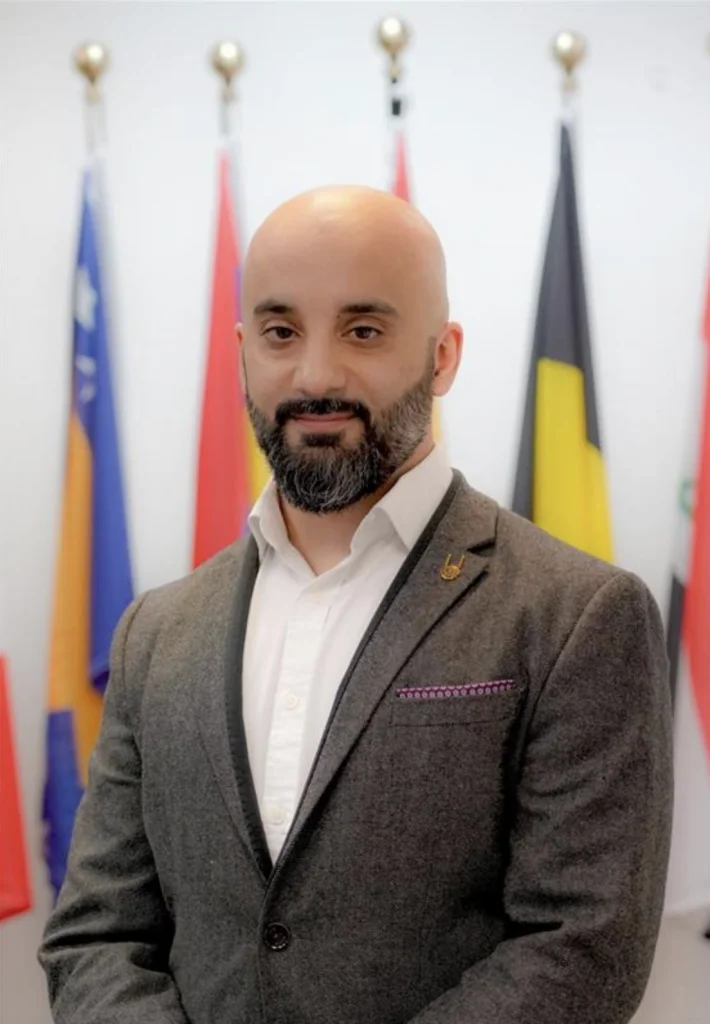
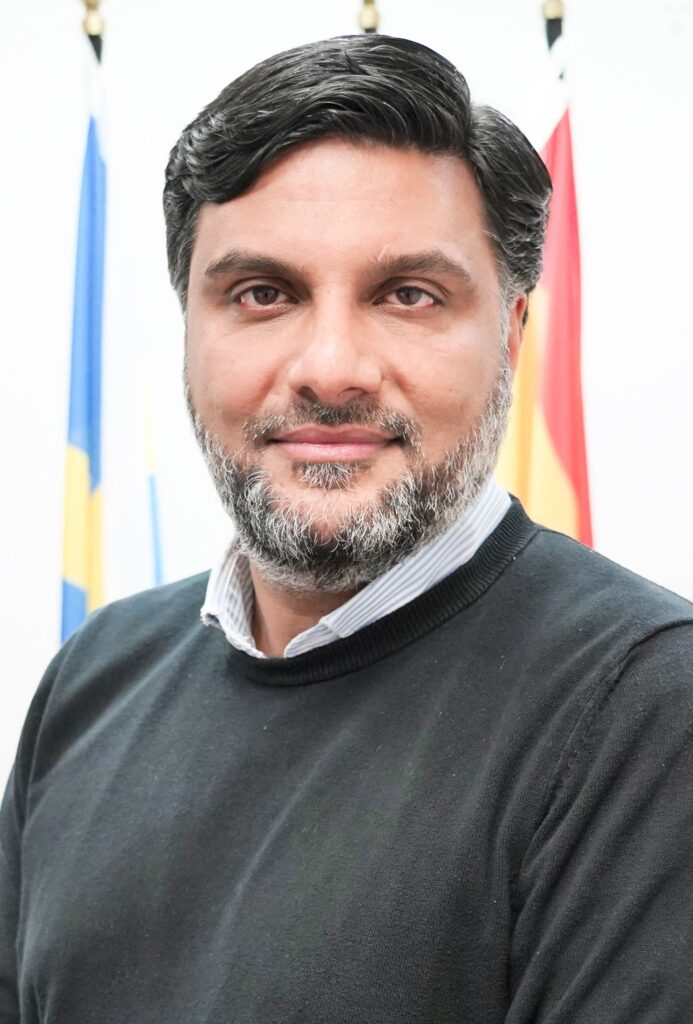
Waseem Ahmad joined the Islamic Relief family over 24 years ago, serving as Programme Officer in the Balochistan province of south-western Pakistan before becoming Head of Programmes in Pakistan. Waseem then moved to Oxfam and Tearfund before returning to Islamic Relief to establish our mission in Malawi. Later serving as Head of Programme Funding and Partnerships, Waseem led the response to major crises across the globe, including the East Africa drought, Pakistan earthquake and the Indian Ocean Tsunami.
Waseem then served for nearly 6 years as our Director of International Programmes, during which time the charity secured and retained the coveted Core Humanitarian Standard certification in recognition of the quality of our programming. He was appointed CEO of Islamic Relief in May 2021.
With a special interest in community mobilisation and infrastructure, Waseem received an MSc in Project Planning and Management from the University of Bradford, as well as an MSc in Economics from Arid Agriculture University in Rawalpindi, Pakistan.
Waseem has also worked for Lepra Health in Action and is a member of the International Civil Society Centre’s Board of Trustees. The father-of-3 enjoys walking and playing football, and is a keen birdwatcher.