One year since the fall of the Assad government, Syria urgently needs more international support to rebuild and recover, Islamic Relief warns. The international community must grasp this “moment of opportunity” to help build a positive future for Syria, or risk the country slipping backwards towards instability.
More than 14 years of crisis has destroyed homes and infrastructure, devastated the economy, and left 80% of people unemployed and dependent on aid. While some rebuilding has begun over the past year, the scale of reconstruction needed is enormous, with 40% of schools still damaged and around 60% of health centres out of operation.
International governments must urgently invest in humanitarian assistance, rebuilding infrastructure and essential services, boosting the economy, and reintegrating Syria into the global financial system. Recent steps to ease some sanctions have had a positive impact, but other financial restrictions continue to block cash and obstruct recovery. International governments are increasingly pressuring Syrians to return home while at the same time as cutting aid so that many have little to return to. Any returns must be voluntary and in accordance with international law.
Dr Ali Demir, Islamic Relief’s chief executive in Syria and Turkiye, said:
“This is a critical moment and a window of opportunity to help Syria’s people build a positive future after so many years of suffering. With the right international support we can see real hope and progress in people’s lives. But if the world looks away we could see the country very quickly slide back into instability, which would have grave impact across the Middle East.
“Many people are returning home to villages they feared they would never see again, but their homes, schools and health facilities are all rubble and there are few paid jobs. Many people have been killed by the unexploded ordnance that is still strewn throughout the rubble and farmland.
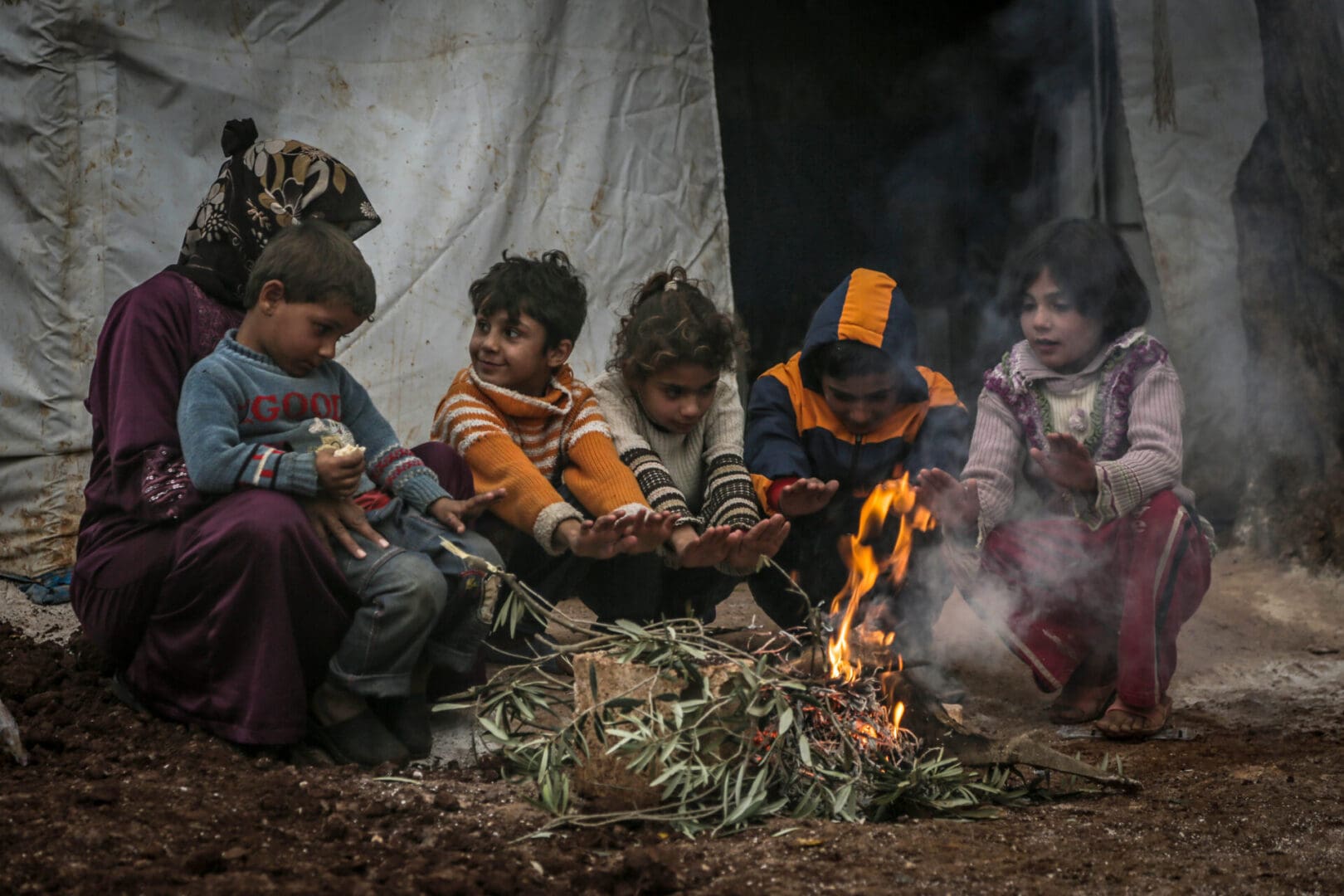
“Millions more people remain displaced as they fear there is nothing for them and their children to return to. They are now languishing in camps where basic services have been slashed due to global aid cuts. Our staff talk to many people who cannot even afford the travel costs to get back to their villages, let alone start to rebuild their destroyed homes.
“The international community must not fail this urgent test. We need to see an investment package to provide humanitarian aid, boost the economy, rebuild infrastructure and services, and create new livelihoods.”
The Syria crisis has created one of the world’s biggest displaced populations, both inside and outside Syria. Over the past year the UN estimates that over 1.2 million refugees and 1.9 million internally displaced people have returned – but many of them still face critical food shortages, lack of jobs and nowhere to live. However, over 7.5 million more people remain displaced inside Syria.
Conditions in the displacement camps are now worsening as funding dries up, but a recent UN-led survey found 57% of people in camps plan to stay there because their original homes are destroyed, their villages have few services, or they simply lack funds to return. Others face a struggle to prove land and property rights as documents have been lost or destroyed.
Unexploded ordnance (UXOs) has created another big challenge for returns. At least 600 civilians have been killed and over 1,200 injured by UXOs over the past year, adding to the over 100,000 people who have lost limbs over the past decade. Islamic Relief runs a centre providing prosthetic limbs that is overwhelmed by people needing treatment.
Recovery and reconstruction efforts must be led by Syrians, including empowered civil society, if they are to be effective and sustainable. But Islamic Relief is calling on the international community to support efforts through action including:
- Restoring financial access and stabilising the liquidity crisis. We welcome the recent steps to ease some sanctions but others remain and need to be fully lifted. There is a severe liquidity shortage and heavy licencing requirements for transferring cash into Syria continue to delay and restrict recovery efforts, humanitarian aid, and family remittances.
- Funding humanitarian assistance. Global aid cuts are slowing recovery – nearing the end of the year the UN-led 2025 appeal for Syria has just 29% of the funds it needs to save and rebuild lives.
- Rebuilding homes and essential services, especially health, education, water and energy. Some 3 million children are still out of school.
- Investing in the economy. We need an investment package that creates decent jobs, boosts the commercial sector and local markets, and tackles rampant inflation that is currently running around 120%.
- Respecting and protecting Syria’s territorial integrity, as violence continues to kill and displace civilians in some parts of the country.
Islamic Relief has worked in Syria throughout the crisis to provide emergency aid, support health services, construct new homes, build and repair schools, upgrade water and sanitation systems, and support sustainable livelihoods. Last year our work in Syria supported over 1.8 million people.