Record numbers of people are currently uprooted by war, violence and persecution and the world is failing to provide them with protection and assistance, Islamic Relief says on World Refugee Day.
The number of people forced to flee their homes has almost doubled in the past decade, with at least 120 million people worldwide now forcibly displaced according to latest data from the UN refugee agency. Many have suffered horrific violence or trauma and have had to leave their homes, loved ones, livelihoods and land in search of safety and support. Around 40% of displaced people are children.
While global political attention often focuses on the relatively small numbers of refugee arrivals into the wealthiest countries, the vast majority of the world’s displaced people are seeking refuge in poor or middle-income nations or remain in their own countries.
Yet cuts to international aid and ongoing disregard for international humanitarian law mean that many displaced people face ongoing violence and critical shortages of food, shelter and job opportunities.
New escalations of violence in places like Sudan and Gaza – on top of the failure to address protracted crises in countries like Syria, Afghanistan and Myanmar – have driven the rise in forced displacement over the past year.
- More than a year of brutal war in Sudan has created what is now the world’s biggest internal displacement crisis, with over 10 million people – almost a quarter of the entire population – now displaced within the country and the threat of famine rapidly increasing. Another 2 million people have fled to neighbouring countries such as Chad and South Sudan, which are themselves among the poorest nations in the world.
- Israel’s assault on Gaza has resulted in the world’s fastest growing displacement crisis, with 75% of Gaza’s population now forced to move. Most are trapped inside Gaza with nowhere safe to go and prevented from accessing sufficient aid.
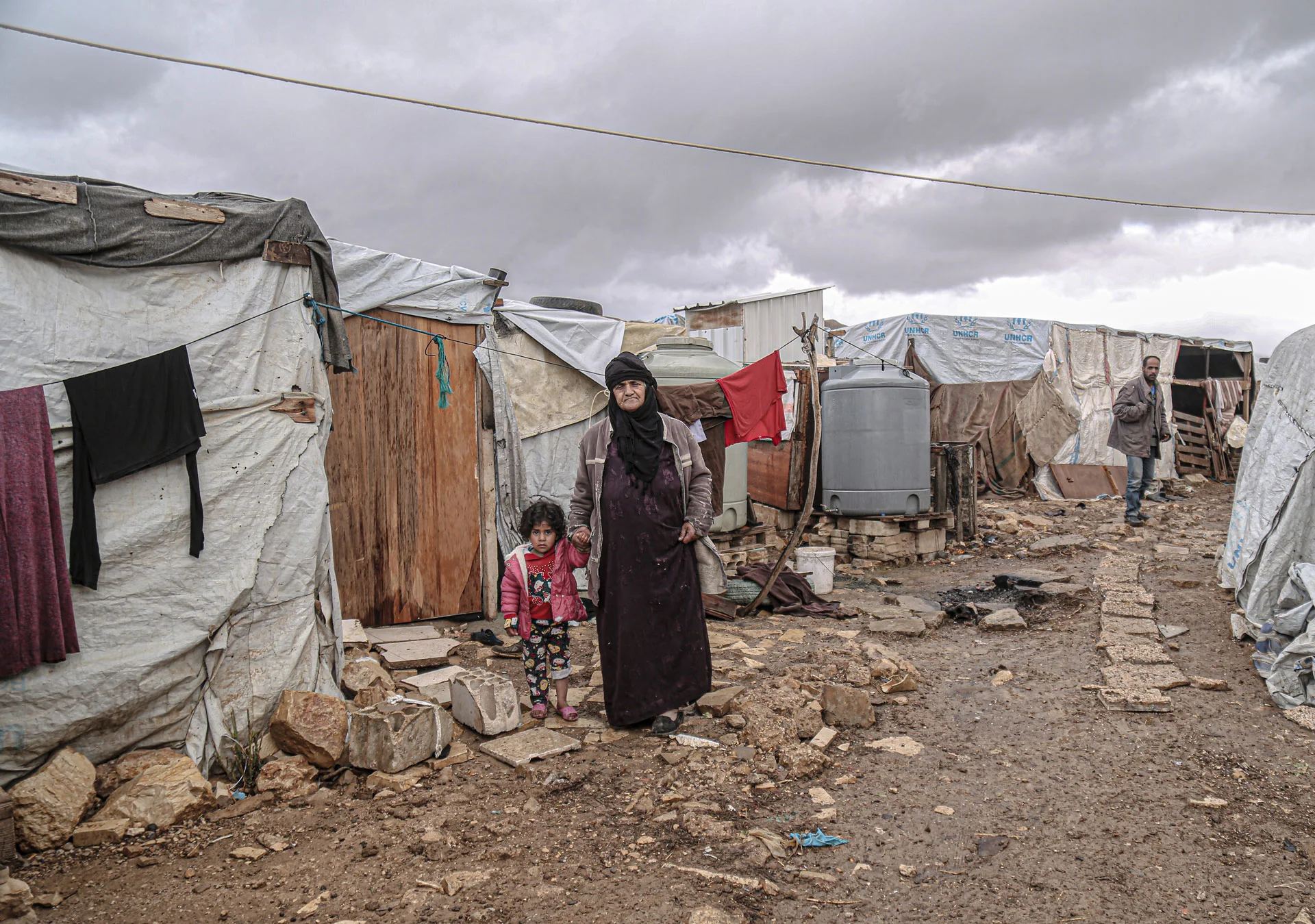
- After 13 years of violent crisis, Syria continues to have the largest levels of displacement overall, with 13.8 million Syrians now forcibly displaced. More than 7 million of them are still within Syria, with many stuck in camps where jobs and services are scarce, and over 6 million fleeing across borders, mostly to neighbouring countries such as Turkiye, Jordan and Lebanon.
The international response to most of these crises is critically underfunded. Almost halfway through the year the UN-led 2024 response plan for Sudan has less than one sixth of the required funds (16%), with Syria (13%) and Afghanistan (21%) facing similar shortfalls.
With many crises becoming increasingly protracted, millions of people have now been displaced for years or even decades, with international support drying up. People who have fled violence in Syria, Yemen, Afghanistan and Myanmar have recently suffered severe cuts to food aid, yet there are few opportunities for them to grow their own food or find jobs to support themselves.
Tackling the global displacement crisis will require an increase in immediate aid for people fleeing violence, greater support for longer-term livelihoods to reduce aid dependency, sustained diplomatic attention on peace negotiations and peacebuilding, and consistent respect for international law.
Islamic Relief is also calling for greater recognition and support for faith-based communities who are often at the forefront of the response to displacement – with mosques, churches, temples and local faith groups often first to provide food and shelter, and helping to promote social cohesion at a time when many refugees fleeing violence and persecution are faced with discrimination, xenophobia and stigma in the places they arrive.