At the halfway point for achieving the Sustainable Development Goals (SDGs), many of the key goals are way off track and some are even going backwards, Islamic Relief is warning.
As global leaders meet at the United Nations General Assembly (UNGA) in New York this week, Islamic Relief calls on them to take urgent and decisive action to get the SDGs back on track.
Latest UN analysis of 140 key SDG targets shows that just 15% are on track while 48% are progressing too slowly and 37% are stagnating or reversing – including some key targets on ending poverty and hunger.
When the SDGs were launched in 2015, with the aim to achieve them by 2030, there was an initial burst of progress, building on significant advances made at the start of the 21st century. But a range of factors – including climate change, conflicts, the long-term impacts of Covid-19 and a failure to keep global funding commitments – are now reversing much of that progress.
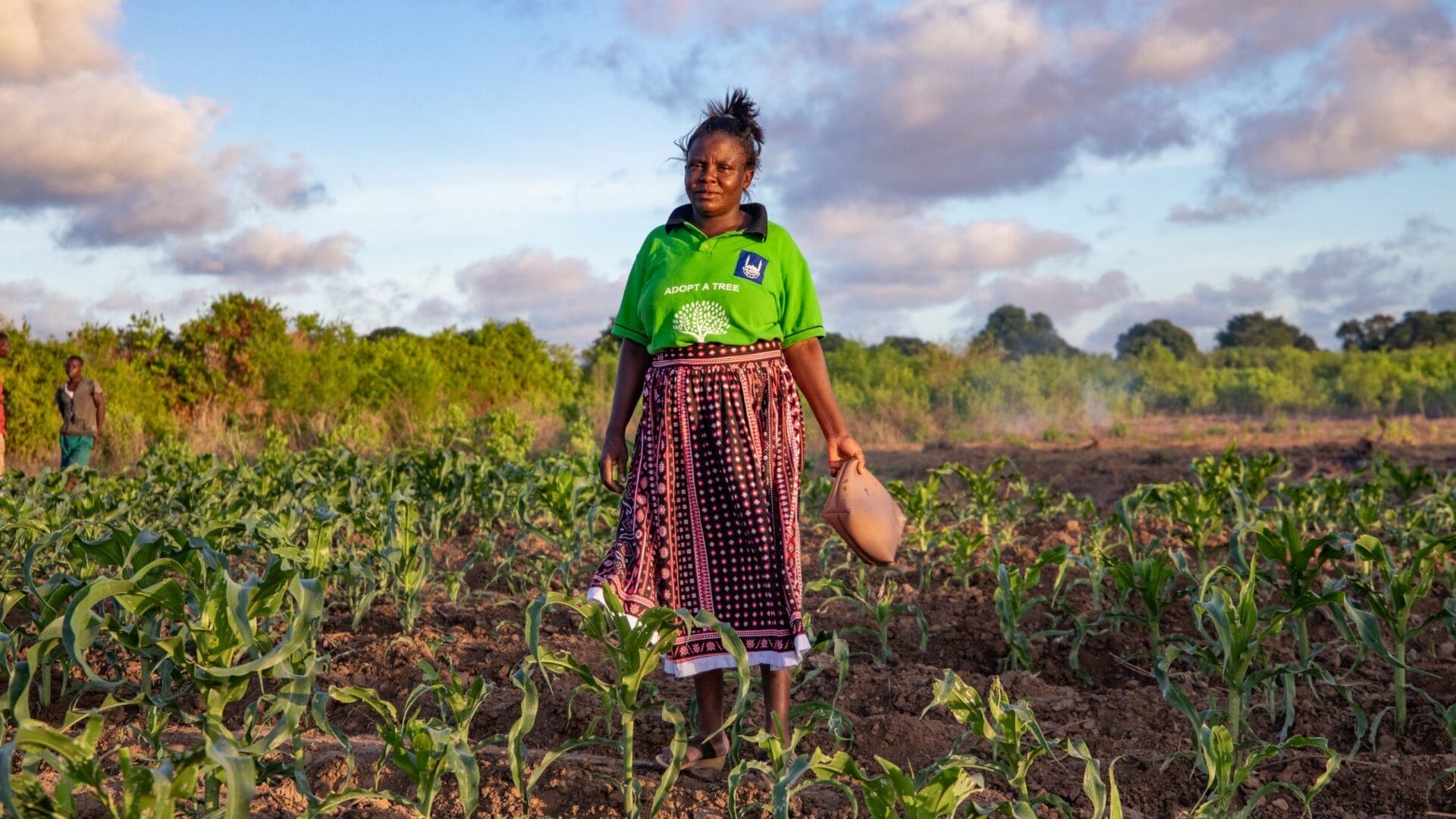
Despite the pledge to achieve Zero Hunger (SDG 2), global hunger is now rising again. The number of people facing crisis levels of food insecurity has more than doubled since the SDGs were launched – from 108 million people in 2016 to around 238 million people now[i].
The economic fallout from the pandemic has exacerbated inequality and pushed hundreds of millions more people into poverty and debt. Although the world has pledged to end poverty (SDG 1), at current pace there will still be more than 575 million people living in poverty by 2030[ii].
Action on climate change is vital to achieve all the SDGs, yet the aim to limit global warming to 1.5 degrees above pre-industrial levels is way off track. The 1.5 degrees target can still be achieved, but only if the world ends its dependency on fossil fuels, cuts emissions of greenhouse gases to net zero, and invests more in clean energy. Rich nations are also failing to keep their promise to provide $100 billion of climate financing each year.
Gender equality (SDG 5) is also showing little progress, particularly on addressing issues such as child marriage or unequal representation in positions of power.
In its work around the world Islamic Relief sees how conflict is also hampering progress towards the SDGs. The war in Ukraine has driven up global food prices – with devastating impact in places like the Horn of Africa as it suffers its worst drought in living memory – and other conflicts have forced record numbers of people to flee their homes. There are now 110 million displaced people, including 35 million refugees in other countries.
Yet despite all the challenges, continued progress in some areas – such as a decline in child mortality, with 133 countries already reaching targets ahead of schedule, and a massive improvement in access to safe water in rural regions – shows what can be achieved with the right political will.
It is not yet too late to rescue the SDGs. At the UNGA, Islamic Relief is calling on world leaders to prioritise action that will tackle the injustices of climate change, conflict and inequality, and recommit to achieving the SDGs by 2030.
[i] Based on data in the annual Global Report on Food Crises, produced by the Global Network Against Food Crises
[ii] The 2023 Sustainable Development Goals Report