In recent weeks, Israel has allowed aid to be airdropped into Gaza after months of a total blockade on humanitarian aid entering the enclave. While the airdrops may look good on camera, the tiny amounts of aid they carry are having very little impact on the dire humanitarian situation in Gaza.
Islamic Relief believes that only pressuring Israel to full reopen the existing land crossings can get aid to people at the scale needed to stop famine.
Airdropping aid into Gaza is ineffective, dangerous and won’t stop more people starving to death.
Here, we explain the risks in detail:
The most vulnerable people are the least likely to benefit from airdrops
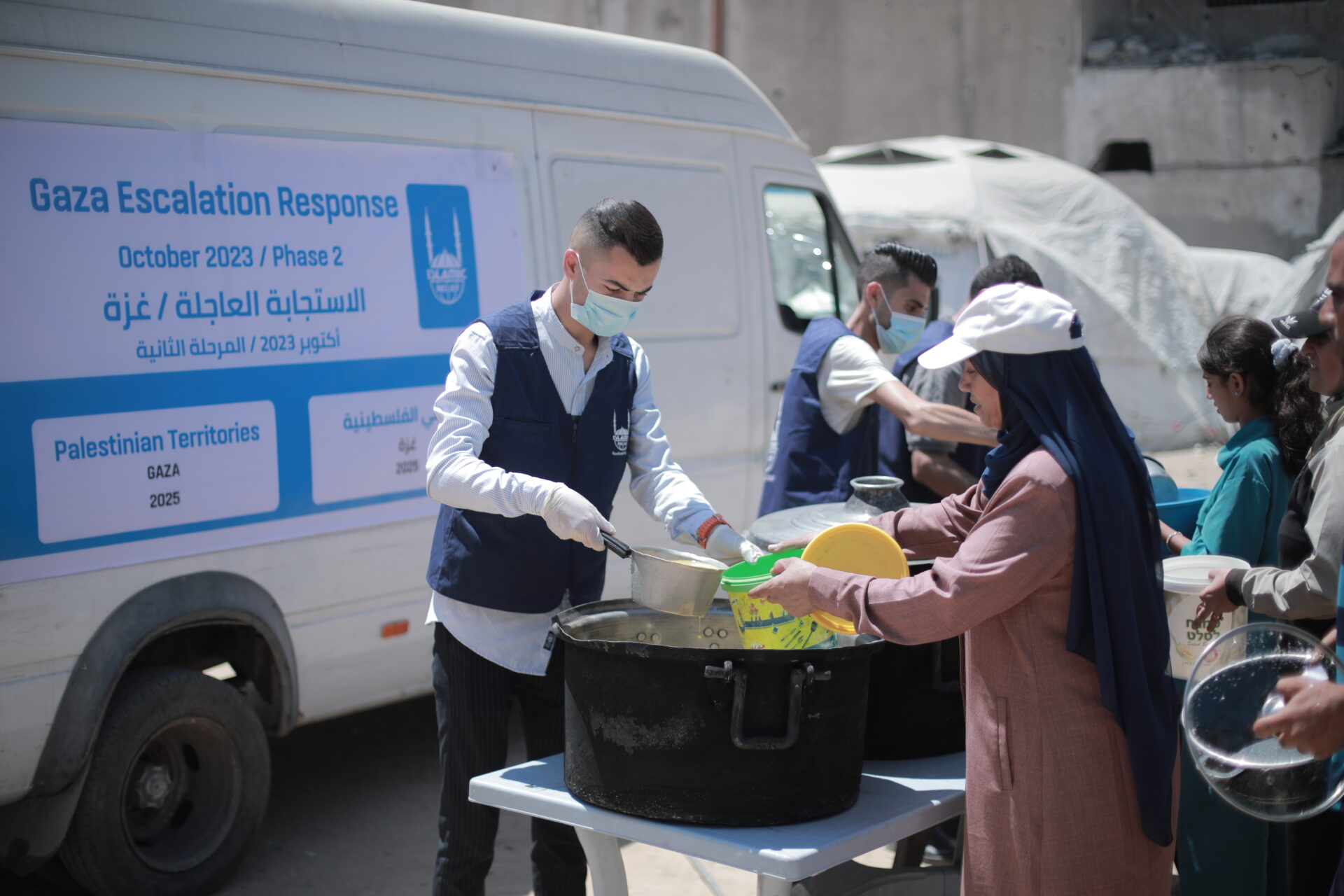
When humanitarian agencies distribute aid on the ground, we take steps to ensure that it reaches the most vulnerable groups, such as older people, people with disabilities, pregnant women and orphaned children. But when aid is dropped from the air it’s impossible to ensure where it falls, so it’s often the strongest and fastest who reach it first — especially when, as in Gaza, the humanitarian system on the ground is systematically obstructed. People who are severely malnourished cannot chase after airdrops.
Airdrops make aid diversion more likely
Israel claims, despite clear evidence to the contrary, that it has shut the land crossings due to aid diversion. But airdropped aid is far more likely to end up in the wrong hands than that delivered through professionally managed land distributions because there is little or no control over where airdropped aid falls or who gets it.
Airdrops cannot provide the quantity of aid that is needed
The Israeli government claims 52 tonnes of aid was airdropped into Gaza one day this week – that’s equivalent to about 2 truckloads coming in by land. Even before October 2023, about 500-600 trucks entered Gaza every day with humanitarian and commercial supplies, and far more is needed to address today’s needs. A day’s airdrops barely provide the equivalent of a few minutes’ worth of aid. The existing land routes are proven to get aid in in much greater quantity, if Israeli obstructions are removed.
Airdrops cannot provide all types of aid that are needed
Getting food into Gaza is vital, but it is not the only form of aid needed. Malnourished children need specialist treatment and therapeutic care, not just food packs. These airdrops will not save their lives if they are not accompanied by proper medical care. Many communities have said they have been unable to use the aid delivered in recent days as it requires water or cooking gas that they do not have. People also desperately need medicine, fuel and other supplies.
Malnourished children need specialist treatment and therapeutic care, not just food packs. These airdrops will not save their lives without proper medical care. Many communities have said they have been unable to use the aid delivered in recent days as it requires water or cooking gas that they do not have. People also desperately need medicine, fuel and other supplies.
Airdops have turned lethal
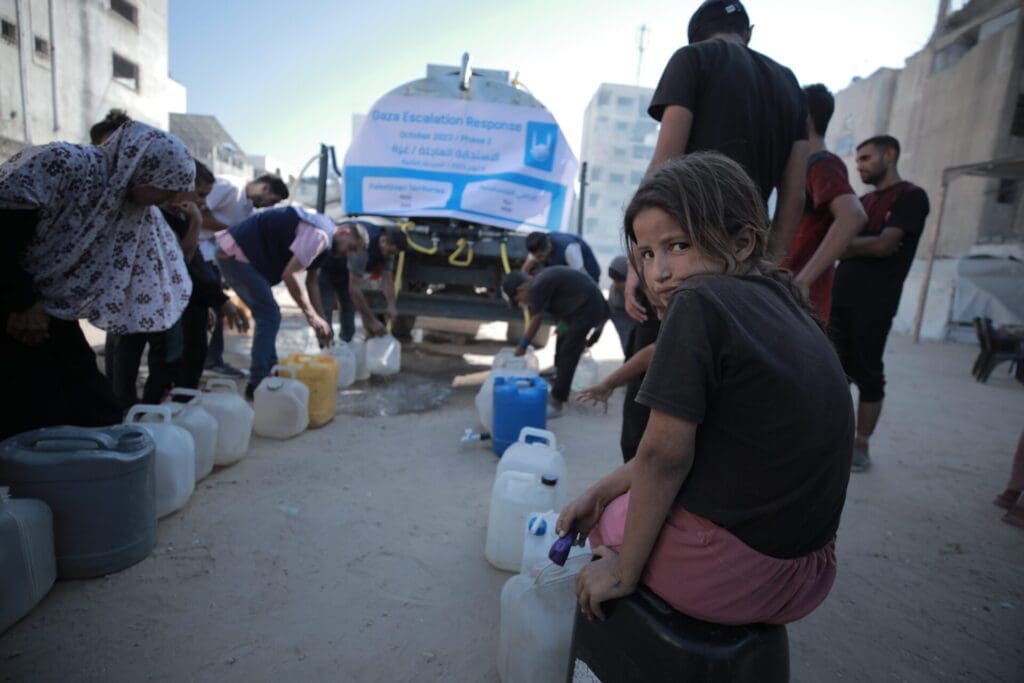
When aid was airdropped into Gaza last year, numerous civilians were killed by food boxes or pallets dropped from the sky – the same boxes meant to save them. Others drowned trying to retrieve aid that was dropped into the sea, while other aid was dropped in the middle of heavy fighting or near unexploded ordnance. Already in the past few days more people have been wounded by airdropped supplies.
Humanitarian aid alone cannot address the magnitude of this crisis
To ensure that food and other essentials are available and affordable for most people, it is vital that commercial supplies are also allowed to enter Gaza. Throughout this crisis and before, commercial supplies have been vital to ensure that food is available in markets. But these supplies can only come in overland, not through airdrops.
Airdrops are the most expensive and inefficient way to deliver aid
While there can’t be a price put on saving lives, the fact is that airdropping aid is far more expensive than sending aid in by land, and has far less impact. Airdrops are prohibitively expensive in the long-term.
Airdrops are a last resort
Airdrops are sometimes used when there is simply no other option – usually only when trying to reach remote and inaccessible locations where roads have been flooded or destroyed by natural disasters. This is not the case in Gaza, where land access is possible and much more effective. Overland aid to Gaza could be massively scaled up tomorrow, if Israel opens the crossings.
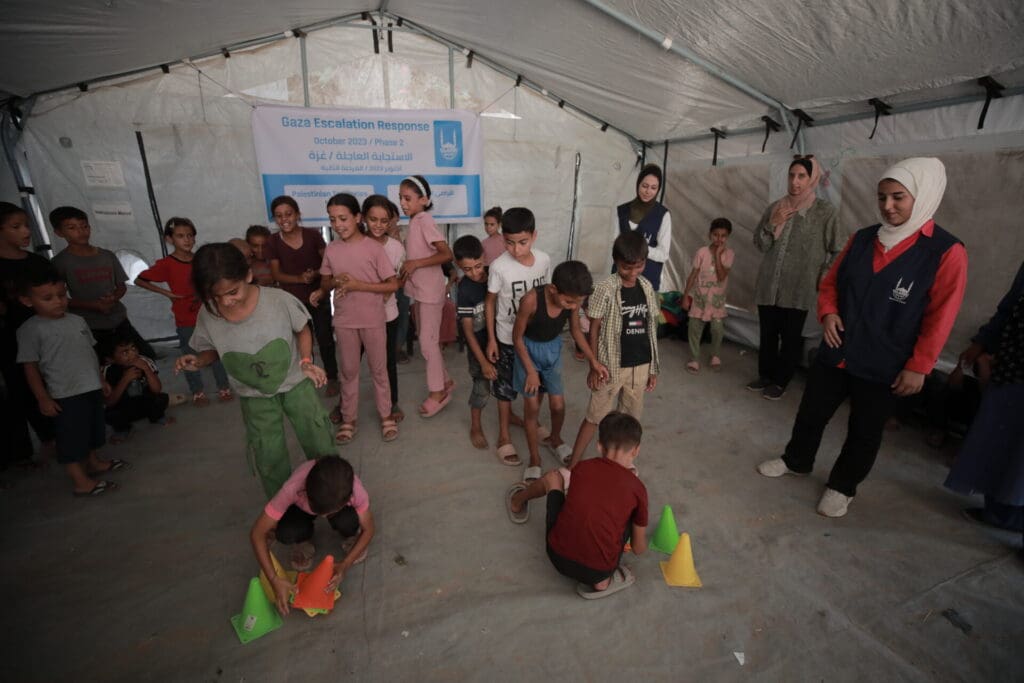
Israel continues to block aid coming in by land
The recent Israeli announcement of temporary corridors and ‘tactical pauses’ is welcome, but will be far from enough to adequately address the humanitarian situation on the ground, and has so far made no real difference to it. The amount of aid getting in overland since then has been just a tiny drop in the ocean compared to what is needed. A few extra trucks for a few days won’t stop famine in Gaza, nor will a few airdrops.
Airdrops are a distraction from the real solution
Throughout this crisis we have seen valuable time and political energy spent pursuing Israeli-encouraged distractions such as airdrops and last year’s failed seaport – which cost $230 million, delivered almost no aid, and shut down months later when the humanitarian situation was even worse. There is an understandable temptation to consider such initiatives as “better than nothing” but they can do harm by deflecting international pressure and focus away from the only solution that can address the magnitude of this crisis: fully reopening all land crossings for humanitarian aid and commercial supplies, and full and unobstructed humanitarian access within Gaza.
Islamic Relief and partners remain on the ground in Gaza supporting communities in desperate need. Please help us continue to be a lifeline to people experiencing unimaginable hardship. Donate to our Palestine Emergency Appeal today.