An outbreak of violence in April 2023 has led to over 15 million people fleeing their homes in Sudan, with many forced to move repeatedly, as the crisis has spiralled into one of the world’s most severe humanitarian emergencies.
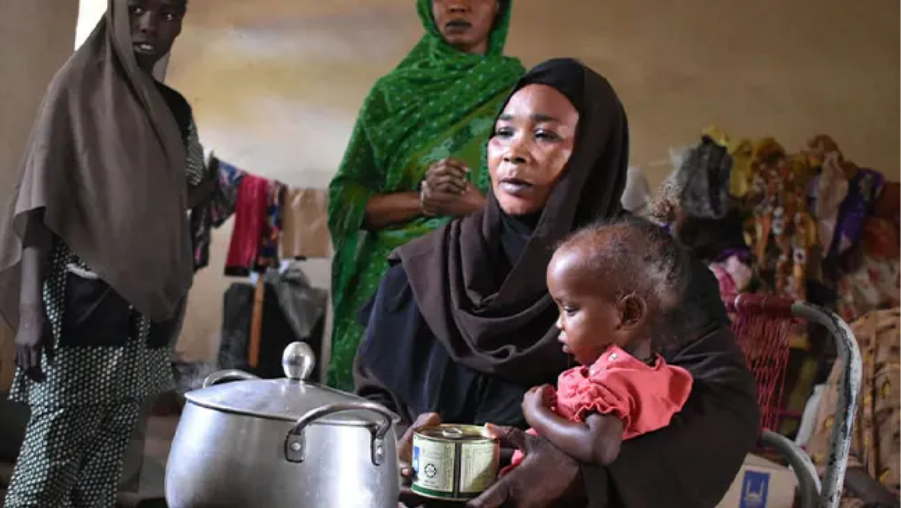
Families are living in makeshift shelters, cut off from food, water, and basic healthcare.
Find out more about what is happening in Sudan and how you can help here.
1,000 days of deadly conflict
7 January 2026 marked a grim milestone – 1,000 days of terror for Sudanese families trapped in a nightmare with no end in sight.
Before the conflict, 15.8 million people in Sudan needed humanitarian aid. Today, that number has doubled to over 30 million.
The war has devastated every aspect of life — from access to food and healthcare to safety, shelter, and people’s mental wellbeing.
How did the crisis begin?
Fighting broke out in Khartoum, Sudan’s capital, on 15 April 2023 as an escalating power struggle between 2 factions of the military government erupted.
Both sides failed to eliminate each other’s leadership and violence spiralled into a nationwide crisis, with peace dialogues failing to succeed.
Fierce fighting and global funding cuts risk pushing more families into starvation, particularly in the vast states of Darfur and Kordofan.
A December 2025 United Nations assessment from North Darfur shows more than half of young children are malnourished – one of the highest rates ever recorded worldwide, while more than 45% of Sudan’s population – over 21 million people – are suffering acute food shortages.
A 2025 Islamic Relief assessment in Gedaref and Darfur found 83% of families don’t have enough food to eat.
In displacement camps and rural communities, many people are surviving on one meal a day. 4 million children under the age of 5 are suffering from acute malnutrition.
What happened in El Fasher?
In October 2025, horrific reports of mass killings of civilians emerged in the Darfur city of El Fasher.
The humanitarian situation in the city was catastrophic, with civilians enduring an 18-month siege from April-October 2025 that had cut off all aid.
Homes, hospitals, schools and mosques had been repeatedly bombed. Families were left to starve as supplies of food and medicine ran out, and humanitarian aid continued to be blocked.
Local community kitchens and mutual aid groups became the only lifeline for many families, but they are increasingly short of funds and face extreme risks.
Tens of thousands of people managed to flee the city, but many escape routes were cut off and up to 250,000 people remain trapped and scared for their lives.
What’s the latest from Sudan?
While hunger is increasing and displacement is worsening in Darfur and Kordofan, some positive steps have been taken.
The Bank of Sudan has recommenced operations, and the Sudanese government met in the country’s capital, Khartoum, for the first time in 30 months.
Such events have been described by Central Bank Governor Amna Mirghani Hassan as “a phase of recovery and reconstruction.”
This recovery phase will be a lengthy one, and the people of Sudan will need our continued aid to help them rebuild when the time comes.
But a complete recovery will only be possible with a ceasefire, which is urgently needed more than ever. The people of Sudan deserve an end to the hostilities and a lasting peace. Islamic Relief continues to call on international governments to reinvigorate efforts to end the crisis.
What is Islamic Relief doing to help the people of Sudan?
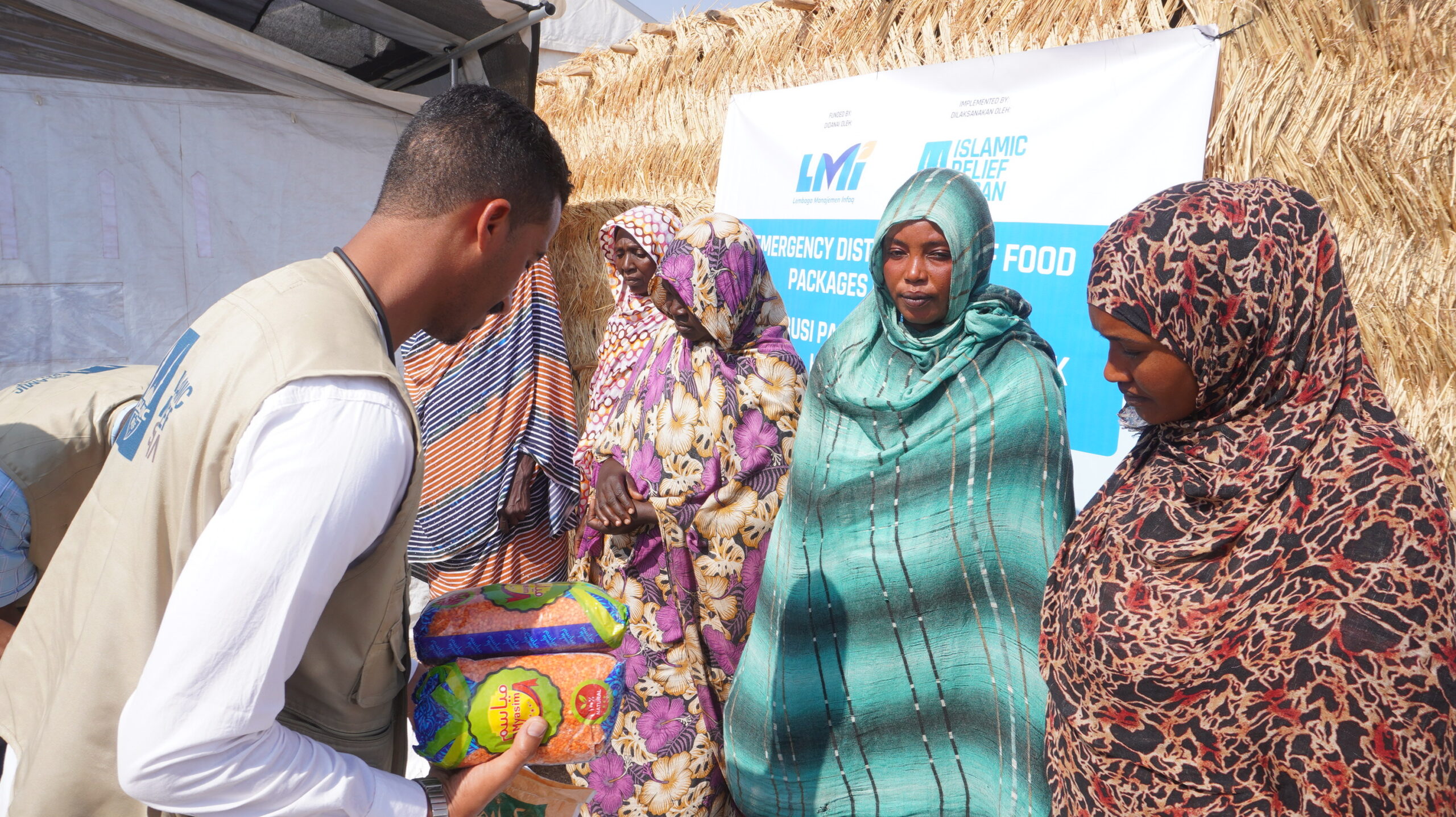
Islamic Relief has delivered vital aid to more than 1.5 million people since the beginning of the crisis in April 2023. This includes food assistance, clean water, cash assistance, emergency shelter and hygiene kits.
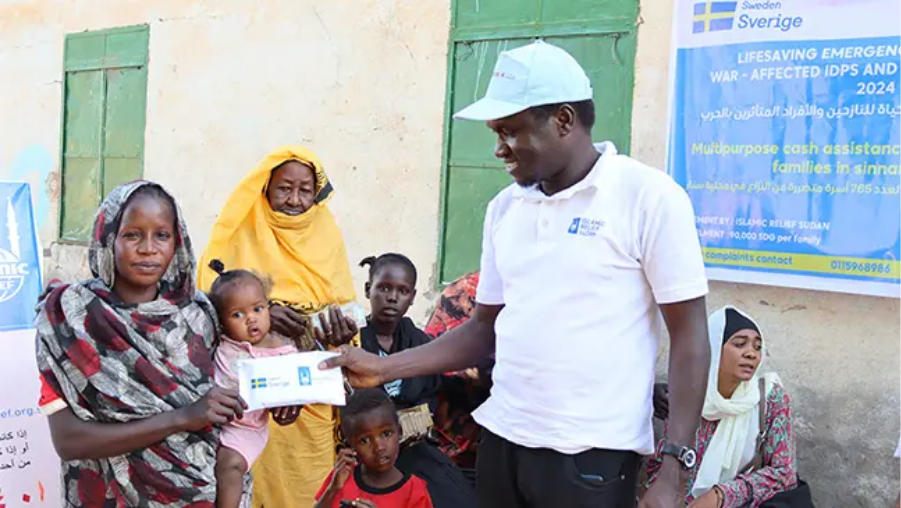
Through our Sudan Appeal, Islamic Relief teams – many of whom are displaced themselves – are on the ground, providing lifesaving aid and urgent assistance to communities across Sudan.
Islamic Relief has been working in Sudan since 1984, and our teams are continuing to respond to the growing humanitarian emergency across the country.
Donate to our Sudan Appeal today to help provide aid, including temporary shelter, food, and water to those in need.