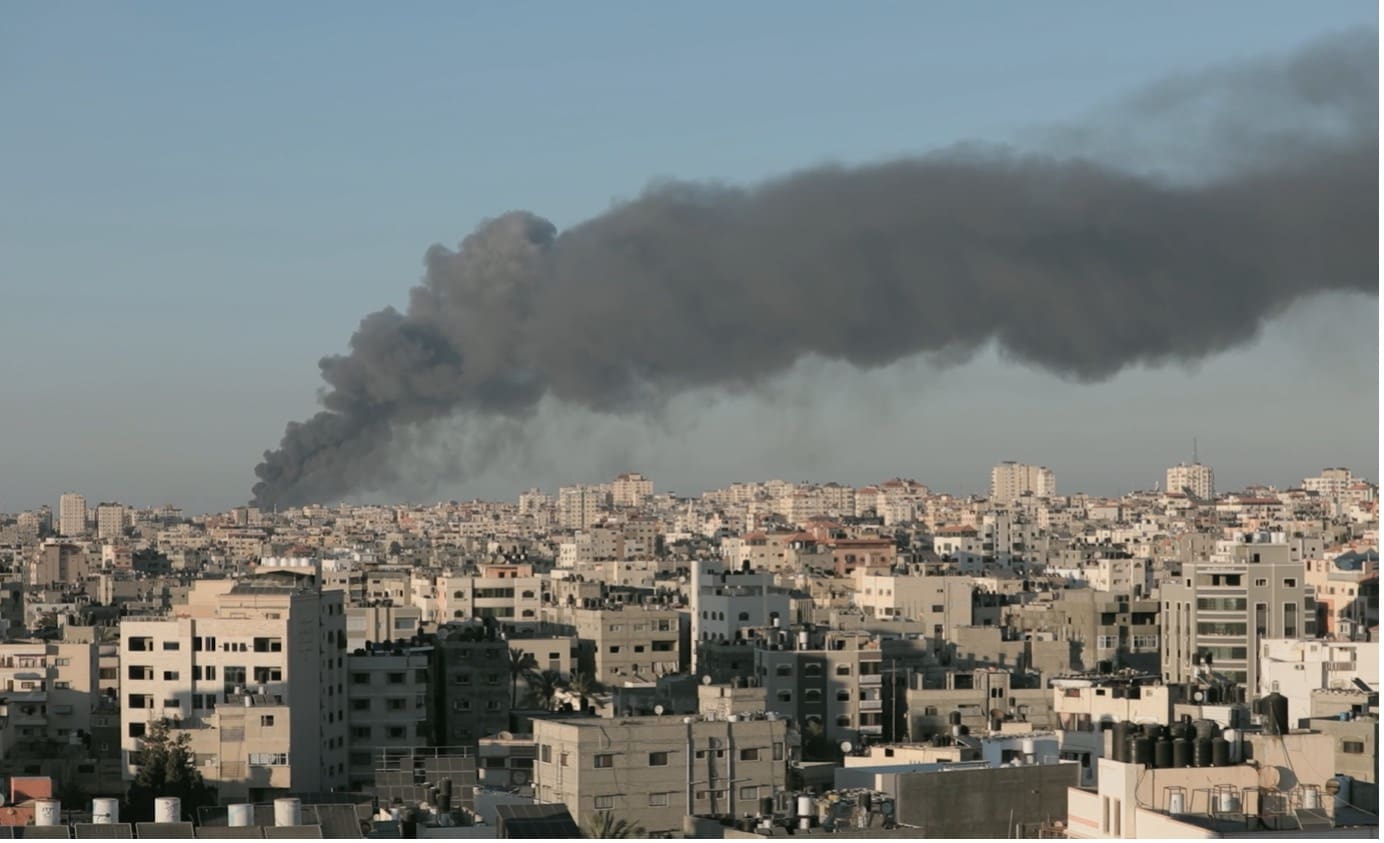
Today is Human Rights Day, which was introduced by the United Nations General Assembly over 50 years ago to promote the rights of all people. 2 million Palestinians who live in the world’s largest open-air prison, Gaza, face a daily denial of many of their rights.
In May 2021, due to the bombing of more than 50 factories in Gaza, hundreds of businesses were destroyed. 18 months later, many businesses are still in ruins and thousands of workers remain unemployed.
According to the World Bank report in July 2021, the direct losses are estimated to stand at around $570 million dollars; with more than 525 economic facilities destroyed or severely damaged, and $485 million needed to achieve recovery within 24 months.
A massive blow to a people already living in dire conditions
This has stark consequences for everyday citizens of Gaza, who are already living under extremely precarious conditions. More than half of the population live under the poverty line and over 80% are dependent on aid. Since the last escalation of conflict, thousands more have been laid off, lost their livelihood, or watched their hard-earned businesses burn to the ground.
It’s a blow that Gazans are ill-equipped to absorb, with unemployment already at 50% in the general population and young people and graduates faring even worse, with a staggering 70% unemployment rate. It’s perhaps unsurprising then, that research by Islamic Relief in 2020 indicated that 3 in 5 young people “experience anxiety as a result of their social and economic surroundings”, while nearly 40% have considered suicide.
The attack on the economy of Gaza is no accident, Mahmoud Abu Jayab explains, pointing out that it is part of a direct Israeli strategy to, “eliminate any Palestinian attempt of self-reliance or increased ability to manufacture products locally” by weakening Palestine’s economic capacity and viability. Indeed, there is a pattern of repeated Israeli assaults on civilian businesses and factories in Gaza, just as recent as May 2021, which directly contradict the principles of international humanitarian law, according to the UN Human Rights Council.
Economic, emotional and environmental damage
Mahmoud, a Gaza business owner, says his company was targeted by Israeli strikes. “The fire lasted for 22 days”, he says, “The company that I owned produced agricultural supplies that covered 50% to 60% of the needs of the Gaza Strip for pesticides, fertilisers, medicines, nylon, pipes, and matters related to agriculture. I worked in this company before my children were born and I raised the company as if I was raising my children.”
Since his company was destroyed, Mahmoud has had to dismiss most of his staff and has no source of livelihood himself: “Some of the workers received salaries from the Ministry of Labour, and some are still with me, but the rest had to be laid off. The damage was not limited to the workers who work in this company, but also the workers who work in farms, nurseries, and the fields. Even I am no longer able to find a job. I don’t know how I am going to pay off the liabilities that I owe.
“Why did they bomb the company? That’s a question I don’t have the answer to. I think they just want to destroy the economy of the Gaza Strip because they hit the 35 most important companies in the Gaza Strip on that same day.”
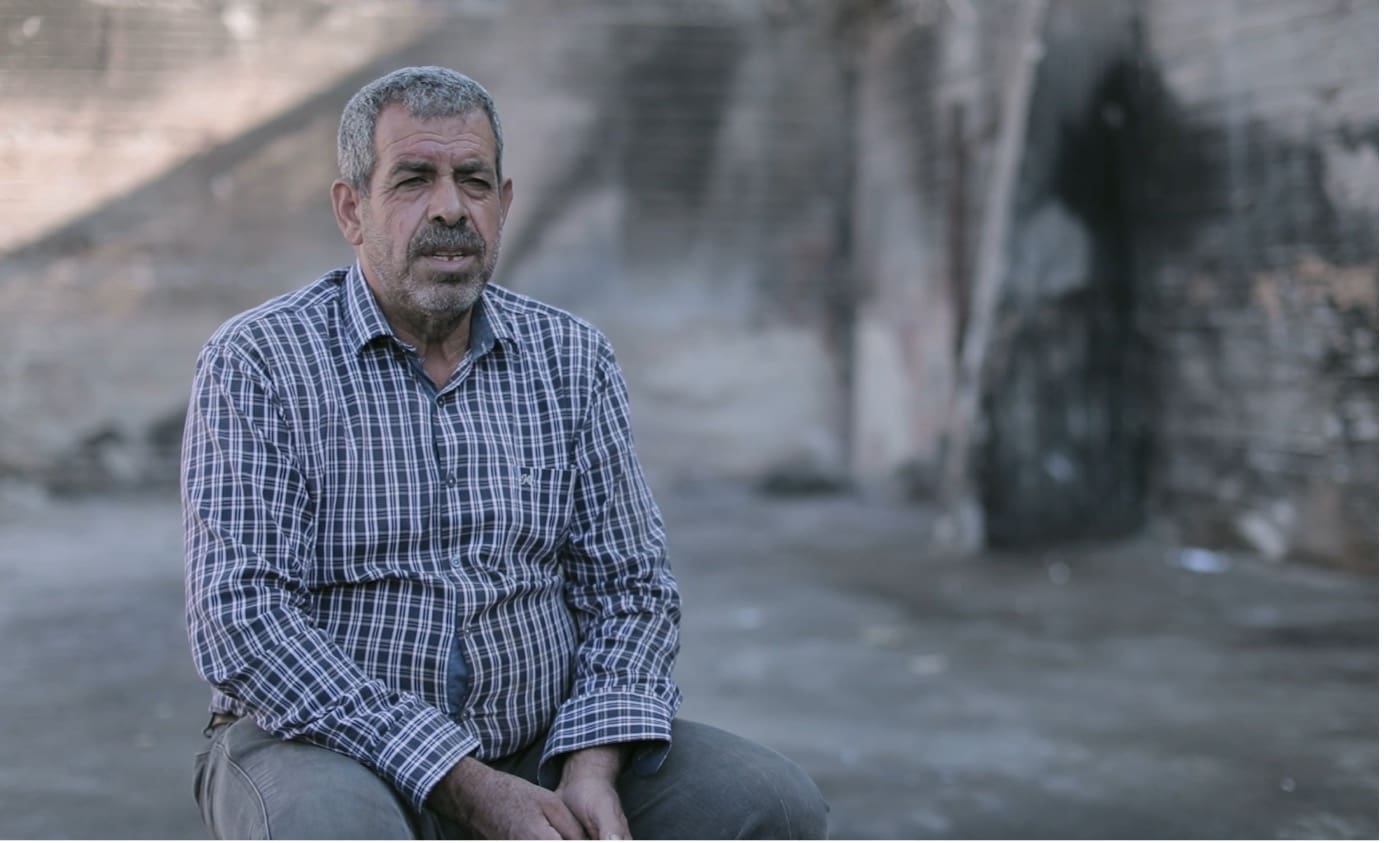
Mahmoud’s livelihood – and that of many of his staff – has been destroyed
More than half of Gaza’s population has never lived without the Israeli blockade, which has destroyed the future of an entire generation, fuelled massive youth unemployment, and damaged young people’s mental health. It has turned Gaza’s once vibrant economy into a humanitarian crisis. Most of Gaza’s farmers, manufacturers and small-scale producers are prevented from accessing their traditional markets in the West Bank, including in Jerusalem, and much of Gaza’s arable land has been confiscated.
Beyond the economic damage inflicted on Gaza, Mahmoud also mourns the vicious emotional and environmental impact of the strikes.
“The damage was not limited to material losses, but also harmed the environment, groundwater, trees, and people. My message to the international community is that we want our human rights. Even animals in Europe have more rights than us humans here [in Gaza]. We do not seek war or want to fight; we wish for peace and want our children and future generations to live in peace and safety.”
18 months after the May 2021 attacks, many businesses are still affected. The targeting of business properties during the aggression has devastated the livelihoods of a population already struggling under the cumulative costs of repeated attacks, restrictions on economic activity, and the brutal Israeli-imposed blockade.
Islamic Relief calls on the international community to step up pressure on Israel to end the blockade and the wider occupation. Join us in demanding justice for Palestine on this International Human Rights Day. We need your help in raising our voice and in advocating for Palestinian human rights. Call on your government to press for justice for Palestinians. Giving generously to our Palestine Emergency Appeal can also provide life-saving humanitarian aid to Palestinians.