Fears grow as new cases spread to crowded camps in Idlib
Northern Syria is on the brink of a deadly cholera epidemic that could put thousands of lives at risk unless aid is rapidly stepped up, Islamic Relief is warning.
More than 2,500 cases and 39 deaths have already been confirmed, and the highly contagious disease is spreading rapidly. Today the first two cases have been identified in camps for displaced people in Idlib governorate, where people are living in extremely basic and overcrowded conditions in which the spread of the disease is likely to accelerate even faster.
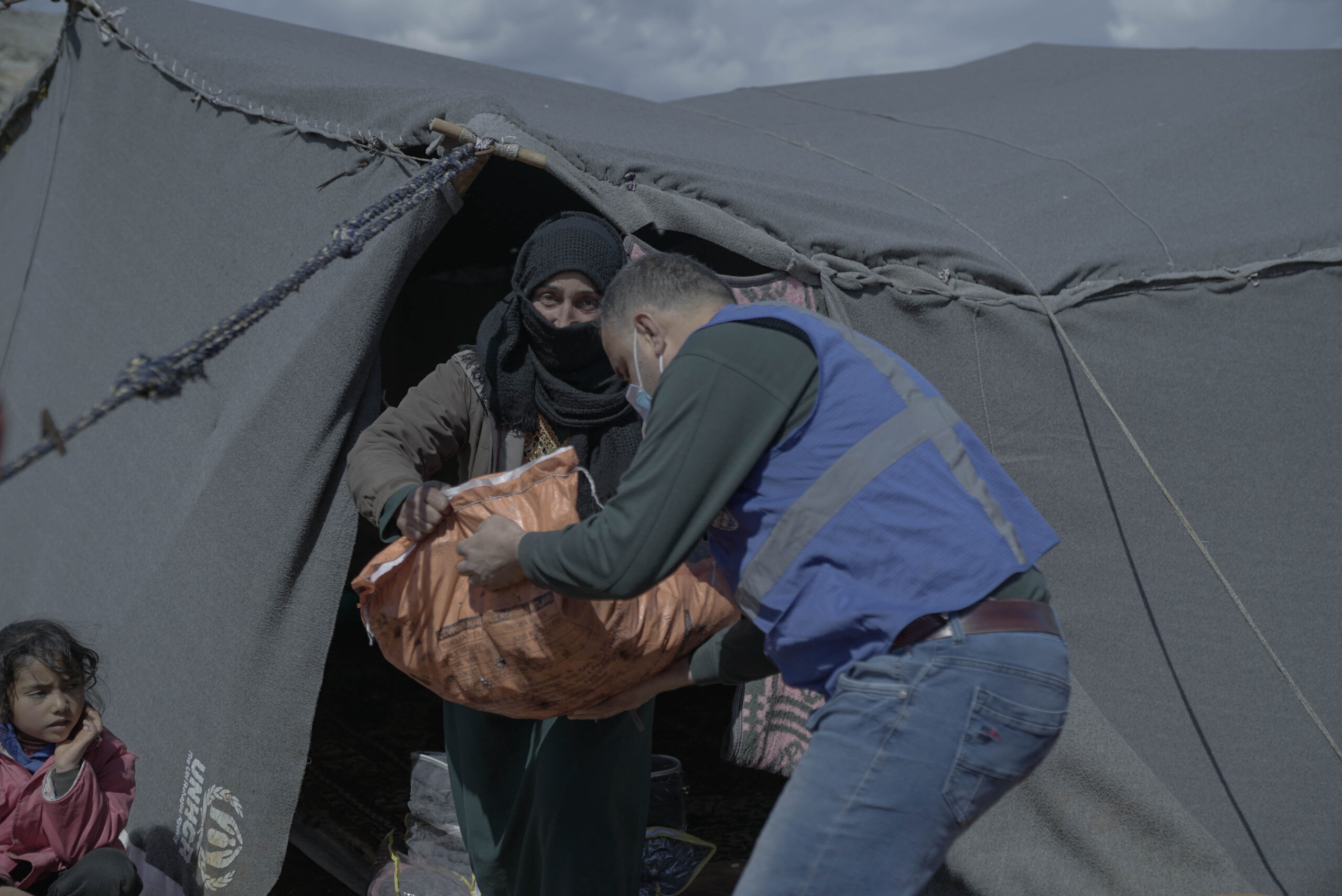
Islamic Relief aid workers in the camps fear that an outbreak of cases there could quickly become catastrophic.
Mohamed El Asfar, an Islamic Relief health worker in Idlib, says:
“These camps are massively impoverished and densely populated, with poor sewage systems and unsafe water sources that can easily be contaminated. Infection in the camps could cause a massive outbreak that will be impossible to contain.
“Cholera could claim thousands of lives if it spreads in these camps. People here are terrified that it will spread, and the health facilities here are not equipped to handle a major cholera epidemic.”
More than a decade of crisis in Syria has left the country’s health and water infrastructure in ruins. In Idlib, 31% of health facilities and 40% of water systems are no longer functioning. Now a drought has caused water levels in the Euphrates River to drop, further reducing access to safe water. Almost half of all Syrians now rely on unsafe water sources.
The World Health Organisation is forecasting that cholera cases could rise to almost half a million if the outbreak is not quickly contained.
Islamic Relief has stepped up awareness raising campaigns in the Idlib camps – advising people how to reduce the risk of infection by thorough hand washing and boiling water before drinking – and is distributing hygiene kits containing items such as soap.
The charity is also working with WHO to set up a cholera treatment unit with 40 beds – to cover a population of 45,000 people inside one camp – and is also planning to deliver clean water supplies and improve the sewage and sanitation systems.