As Muslims all around the world begin to mark Ramadan 2026, our Communication Coordinator in Ethiopia, Sadik Kedir, shares some reflections from an anonymous friend on Ramadans past.
I was born and raised in the slums of Atobistera, a place always stirred by constant movement, where small traders and cross-city travellers’ flock. The name itself, Atobistera, literally means “bus station.”
When I now look back from afar, I am carried by my childhood memories.
At the shores of Merkato, Africa’s largest open-air market in Addis Ababa, the capital of Ethiopia, life is known for its daily chaos, where peaceful residence can seem almost impossible.
Ramadan carried the messiest kind of beauty for us, the people of Atobistera. It was the season when those who could leave the chaotic city returned to their rural homes.
It was also the time when homes glowed with special lights, and when parents, despite difficult circumstances, searched for small gifts to place joy in their children’s hands.
My little sister and I hold vivid memories of the items prepared for Ramadan. Wheat for soup was bought at least a month in advance, washed carefully by hand, dried under the sun, and saved for the special soup served with sambusa, cookies, and other treats unique to the holy month.
Atobistera is a slum where life is written openly on faces. You could tell who was happy and who was broken just by the lines on their foreheads.
In 2008, my mother’s forehead told a story we could all read, her grief at losing my father, and her sorrow at not being able to serve Ramadan as she once had.
My sister and I still watched the sidewalks from our home near the main road of Atobistera. Yet that Ramadan, my mother could not afford the ornaments or even the food.
But it was Ramadan. As we wondered who could see us, who could read my mother’s forehead and understand her silent frustration, our neighbours did. They shared what little they had, and joy slowly returned to our home.
Atobistera stands not far from one of Ethiopia’s largest mosques, Anwar Mosque, built in the heart of Merkato. Around it, the sidewalks filled with iftar meals for those who could not make it home in time, and for those who could not afford food at all. After prayer, people would take one or two less fortunate individuals home to share their meals.
The bustling roads around Anwar Mosque were filled with worshippers praying until midnight. Then came suhoor, the pre-dawn meal, followed by some continuing straight into subuh, the dawn prayer, without rest. Prayers, supplications, and whispered hopes filled the night air.
All of this was accompanied by free drinks, meals, and snacks from passersby. I remember carrying homemade lemonade to the mosque so people could drink during taraweeh, the night prayer unique to Ramadan.
Now that I am older and more aware, I realize that I was seen, sensed, and carried through those beautiful days of Ramadan.
But there are still many like me, those who have lost loved ones, who long for a Ramadan snack from a caring neighbour, a kind passerby, or even a writer who looks into their foreheads, sees the quiet grief, and extends a helping hand.
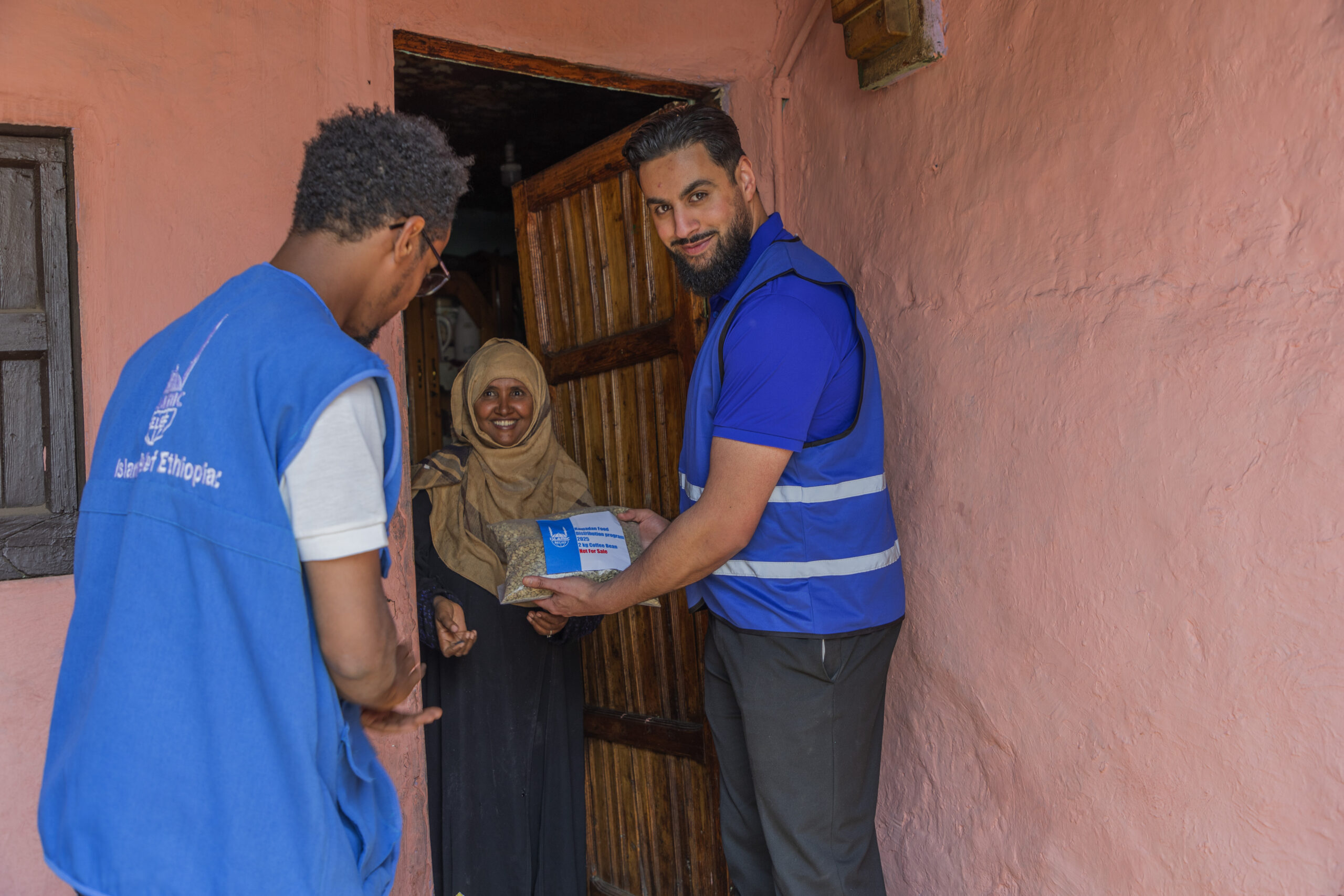
This year, Islamic Relief is aiming to provide Ramadan packs to over 1.1 million people in 32 countries. Donate today to help provide iftar for families in need around the world.
BROWSE OTHER OPINIONS
FEATURED OPINIONS
- Saving our home: Time for urgent action on World Environment Day
- Gaza one year on: Endurance and exasperation
- Away from the headlines there is an opportunity for real climate action
- How the Core Humanitarian Standard guides and inspires my safeguarding work
- Leave in Hope: the end of the Bonn conference
MOST POPULAR TOPIC
View More