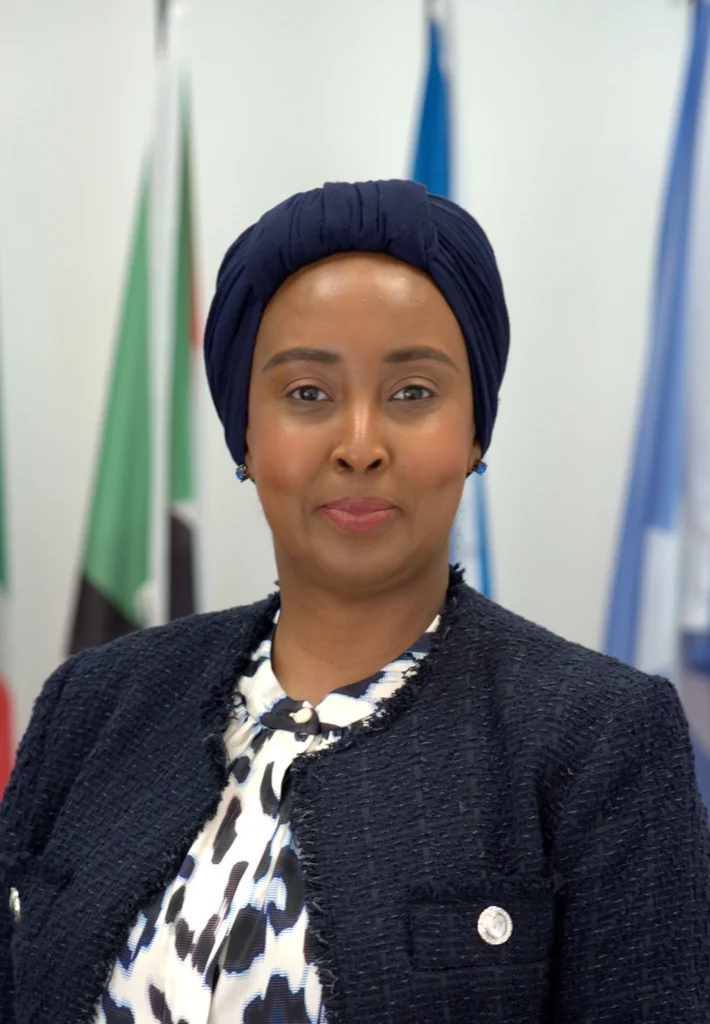
Sana Basim, Head of Programmes for Islamic Relief Lebanon looks back on the country’s ‘Black Wednesday’ – the deadliest day of bombing in many years.
Lebanon carries many dates etched into its memory, days of loss, pain, and survival. But 8 April will remain one of the ugliest scars, a date marked by inhumanity, injustice, and brutal violence that cannot be forgotten.
Despite the 2024 ceasefire, Israeli violations never truly ceased. Attacks on southern Lebanon continued, relentless and normalised. Then came the escalation following the US‑Israel‑Iran war, triggering mass displacement across the country. Nearly 20% of Lebanon’s population was forced from their homes. Once again, civilians paid the highest price.
Islamic Relief Lebanon has been among the frontline responders, working tirelessly to support conflict‑affected communities. In the days following this deadliest hour, I spoke with several displaced people. What struck me most was not their words but their silence. They didn’t know what to say. Yet one fear, unspoken but unavoidable, was written clearly on their faces:
Are we going to become another Gaza?
Will the world let that happen to us, the way it let it happen to Palestinians in Gaza?
Their silence was deafening. So were the questions in their eyes.
As a humanitarian worker, someone who speaks about humanitarian principles, international humanitarian law, and justice, I found myself utterly speechless. In moments like this, those concepts felt hollow. For the people of Lebanon, they had become words on paper, stripped of meaning, value, and protection.
A day like any other
April 8 began like any other day of crisis. My team was distributing water in one of the shelters in Beirut, while I was preparing situation reports and drafting emergency response plans. Since the war began, Islamic Relief Lebanon has been operating in a hybrid modality: staff living outside Beirut working remotely or coming in when needed, while Beirut‑based staff continued to report to the office. That Wednesday was no different.
Then I heard a loud sound.
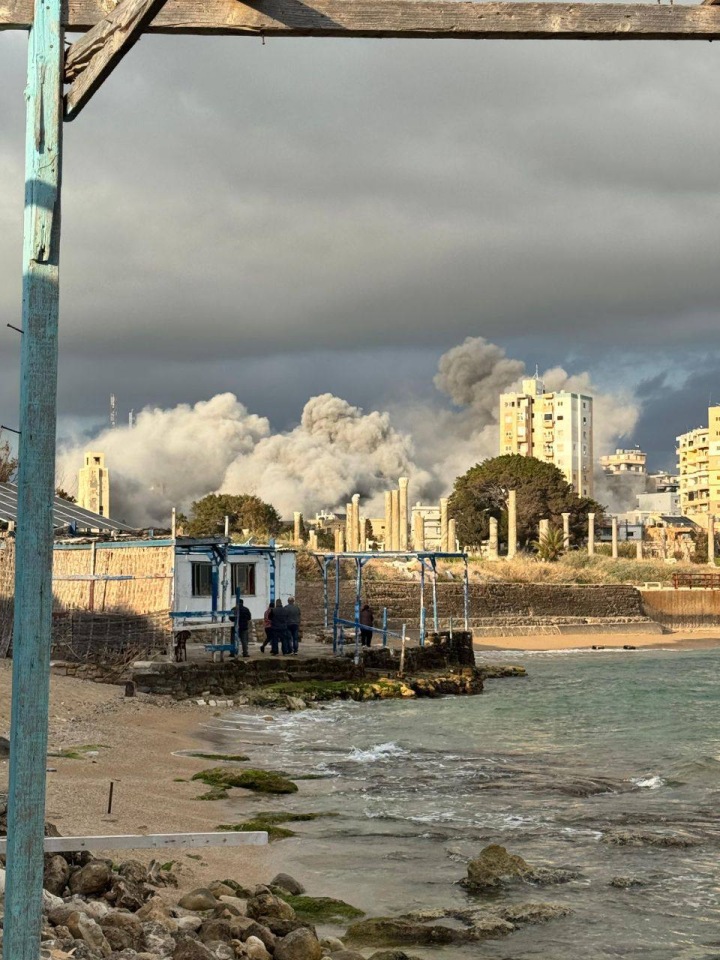
At first, I thought it was Israeli jets breaking the sound barrier, something they often do, which terrorises the population. But then came another blast. And another.
We gathered in one room where we could see thick grey smoke rising into the sky. Panic set in. Phones started ringing with non-stop calls, messages, alerts. Shock, fear, disbelief filled the space. HR immediately launched a headcount poll on our staff WhatsApp group to make sure everyone was safe. The security focal point rushed to contact the distribution team.
One of the airstrikes had landed just 3 kilometres away from Islamic Relief distributions but all staff remained safe.
The team reported chaos at the shelter. Children were crying and screaming. The sound of the strikes was overwhelming. Smoke filled the air. The smell of explosives was strong and suffocating. Fear was everywhere.
Soon after, videos began flooding our phones. They felt unreal like scenes from a movie, except this was real life. Bombs dropping everywhere. People crying and running. Ambulance sirens cutting through the air. People honking on the roads as panic spread. Many abandoned their cars in the middle of the street and ran, desperate to escape.
Within minutes, Beirut —the city of life, movement, and resilience—turned into a horror scene.
Later, media reported that over 100 airstrikes were carried out in just 10 minutes, without any prior warning. Residential and commercial buildings were hit. People went missing. More than 300 casualties were reported, with hundreds more injured.
That hour changed everything.
And for many, survival itself became an act of resistance.
A fragile, temporary peace
Last night, a 10-day ceasefire was announced – a welcome piece of news but one which is being met with some scepticism in Lebanon.
The agreement applies only to the part of the country lying north of the Litani river and, more worryingly, only to air-based attacks and not Israel’s ground invasion.
People remain fearful that fighting will break out again after the 10-day pause, if it even lasts that long.
Islamic Relief hopes the ceasefire holds and urges international government with leverage and all parties involved to ensure that it is fully respected.
Islamic Relief is working to support vulnerable communities in Lebanon throughout this crisis. Please help us to continue this life-saving work. Donate to our Lebanon Emergency Appeal today.
BROWSE OTHER OPINIONS
FEATURED OPINIONS
- Saving our home: Time for urgent action on World Environment Day
- Gaza one year on: Endurance and exasperation
- Away from the headlines there is an opportunity for real climate action
- How the Core Humanitarian Standard guides and inspires my safeguarding work
- Leave in Hope: the end of the Bonn conference
MOST POPULAR TOPIC
View More