The new 12th issue of the NGO Humanitarian Access Snapshot can be downloaded here now
*** 93% of NGOs surveyed in Gaza report having exhausted or nearly exhausted their stocks ***
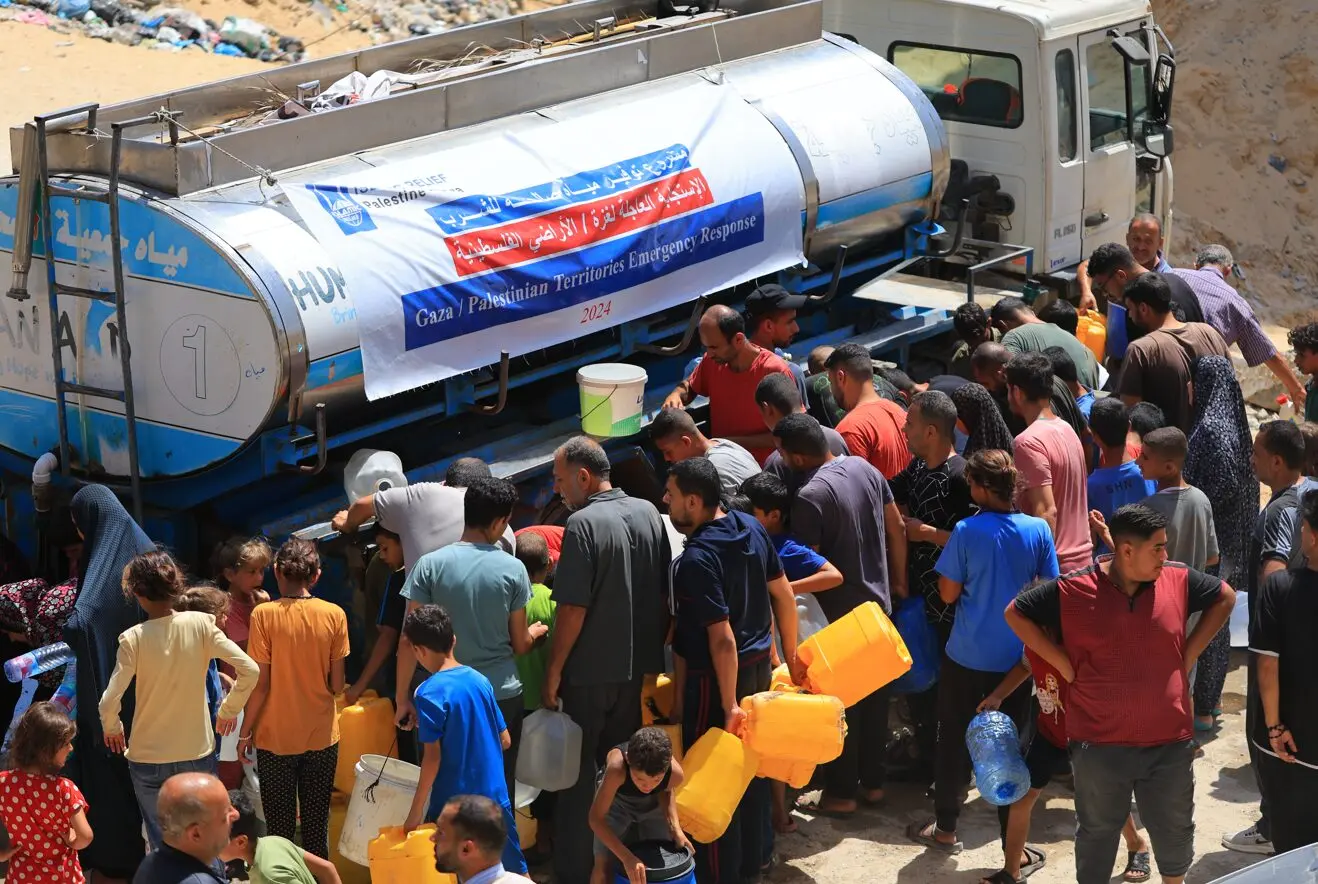
Nearly three months have passed since Israeli authorities imposed another total siege on Gaza on 2 March. On 19 May, the Israeli cabinet approved a decision to allow “basic” food into Gaza. This is merely a drop in an ocean of needs. Conditions imposed by the Israeli authorities continue to prevent large-scale humanitarian aid delivery. For example, only one crossing is used, fewer than 100 trucks per day are allowed in, and only a fraction of that aid actually reaches those in need. These scarce truck entries only create the appearance of resumed humanitarian access. The siege remains firmly in place and starvation continues in the Gaza Strip.
The Palestinian Authority declared famine in Gaza and the IPC reported that the entire population faces acute food insecurity. Intensive airstrikes continued across Gaza throughout the reporting period, and the Israeli forces’ air and ground offensive expanded and escalated sharply as of 18 May, killing hundreds in two days, while the Israeli foreign minister has declared the intention to “conquer, clear, and stay.” Since 18 March, nearly 616,000 Palestinians have been newly displaced.
For this issue of the Humanitarian Access Snapshot, 46 international and Palestinian NGOs participated in a survey sharing their experiences delivering humanitarian aid and services from 26 March to 9 May. 40 of them operate in Gaza, 29 the West Bank and 23 have operations across the entire Occupied Palestinian Territory (OPT).
In Gaza
- 93% of respondents report having exhausted or nearly exhausted their aid stocks
- 67% report being unable to reach communities and deliver services in parts of the Gaza Strip
- 33% report recent staff injuries or deaths due to military attacks
In the West Bank
- 93% report increased movement restrictions
- 48% report being unable to reach communities and deliver services in some areas
- 38% said they have had to suspend or reduce operations
Find out more in the new issue of the Palestine NGO Humanitarian Access Snapshot