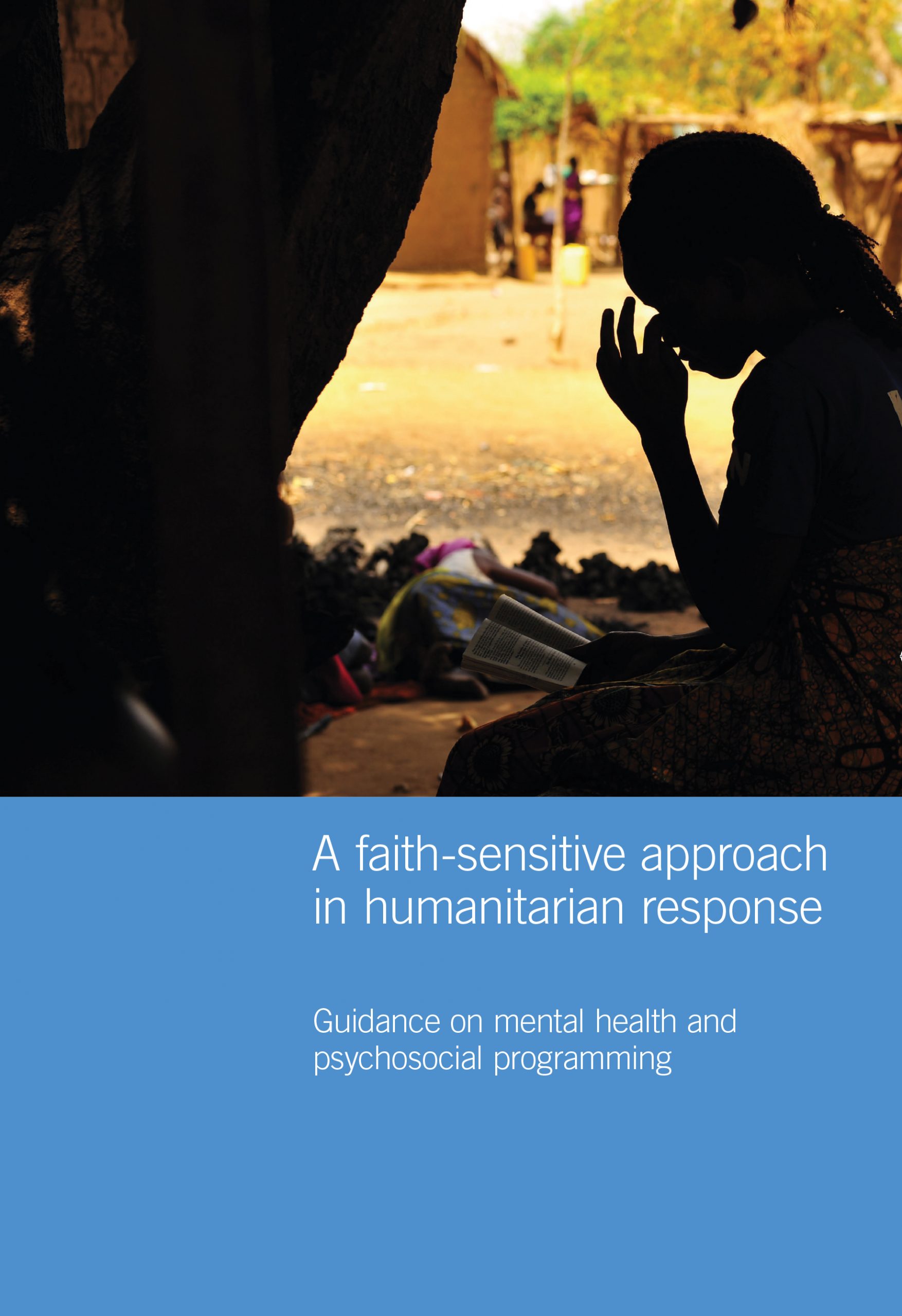
Islamic Relief (IR) and the Lutheran World Federation (LWF) have launched a manual to help humanitarian agencies be more faith-sensitive in their work.
The manual – entitled: A Faith-Sensitive Approach in Humanitarian Response: Guidance on Mental Health and Psychosocial Programming is designed to assist both secular and faith-based organisations in their work with refugees and host communities.
it developed with guidance from a diverse partnership of both faith-based and secular organisations including the UNHCR, the International Federation of the Red Cross and Red Crescent (IFRC), Church of Sweden, HIAS and World Vision alongside IR and LWF. One of the main aims is to ensure that emergency responses truly respect the dignity of those affected by conflict, disaster and displacement.
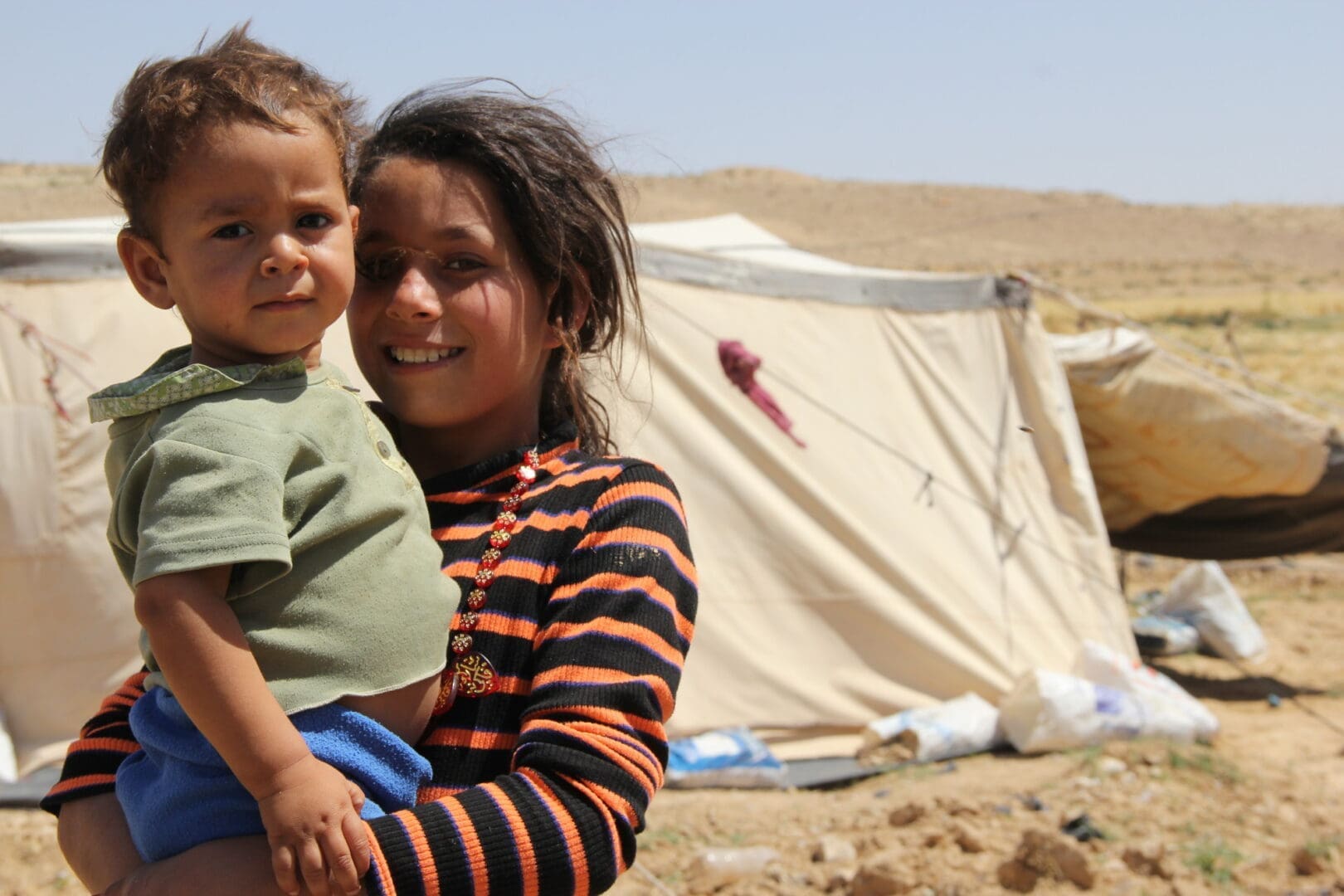
Over 65.6 million people are currently displaced from their homes. Humanitarian agencies working with these oft-marginalised people could be more effective in their operations if they were more faith-sensitive.
“The vast majority of people have some form of faith or religious identity. When disaster strikes or conflict erupts and they have to leave their homes, they don’t leave their faith behind. Faith stays with them as a powerful source of resilience and hope in their efforts to rebuild their lives,”
explains LWF General Secretary, Rev. Dr Martin Junge.
Sensitivity to religious identity is not only related to the spirituality of those fleeing disasters or conflicts, or the psychological, medical and social arenas, but it also affects practical aspects such as appropriate food, shelter, meeting spaces.
“Our pilot projects have shown that religion can be a powerful source of coping and resilience in time of emergency, but it may also be used to promote harmful practices or undermine humanitarian programming efforts,”
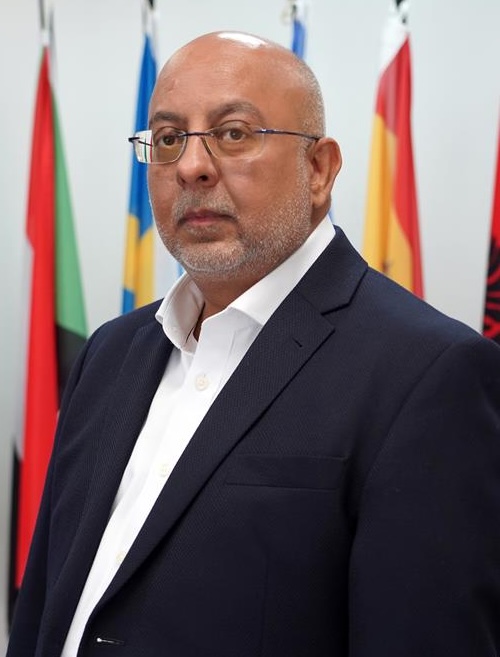
says Naser Haghamed, Chief Executive Officer of IRW.
“Our manual seeks to guide humanitarian organisations in their efforts to engage with local faith actors through the “do no harm” principle.”
The number of refugees and displaced people continues to grow as people are fleeing political turmoil and instability in their home countries. Understanding the faith background of refugees can assist in project delivery and assistance on the part of humanitarian agencies.
Copies of A Faith-Sensitive Approach in Humanitarian Response: Guidance on Mental Health and Psychosocial Programming is available in electronic form here.