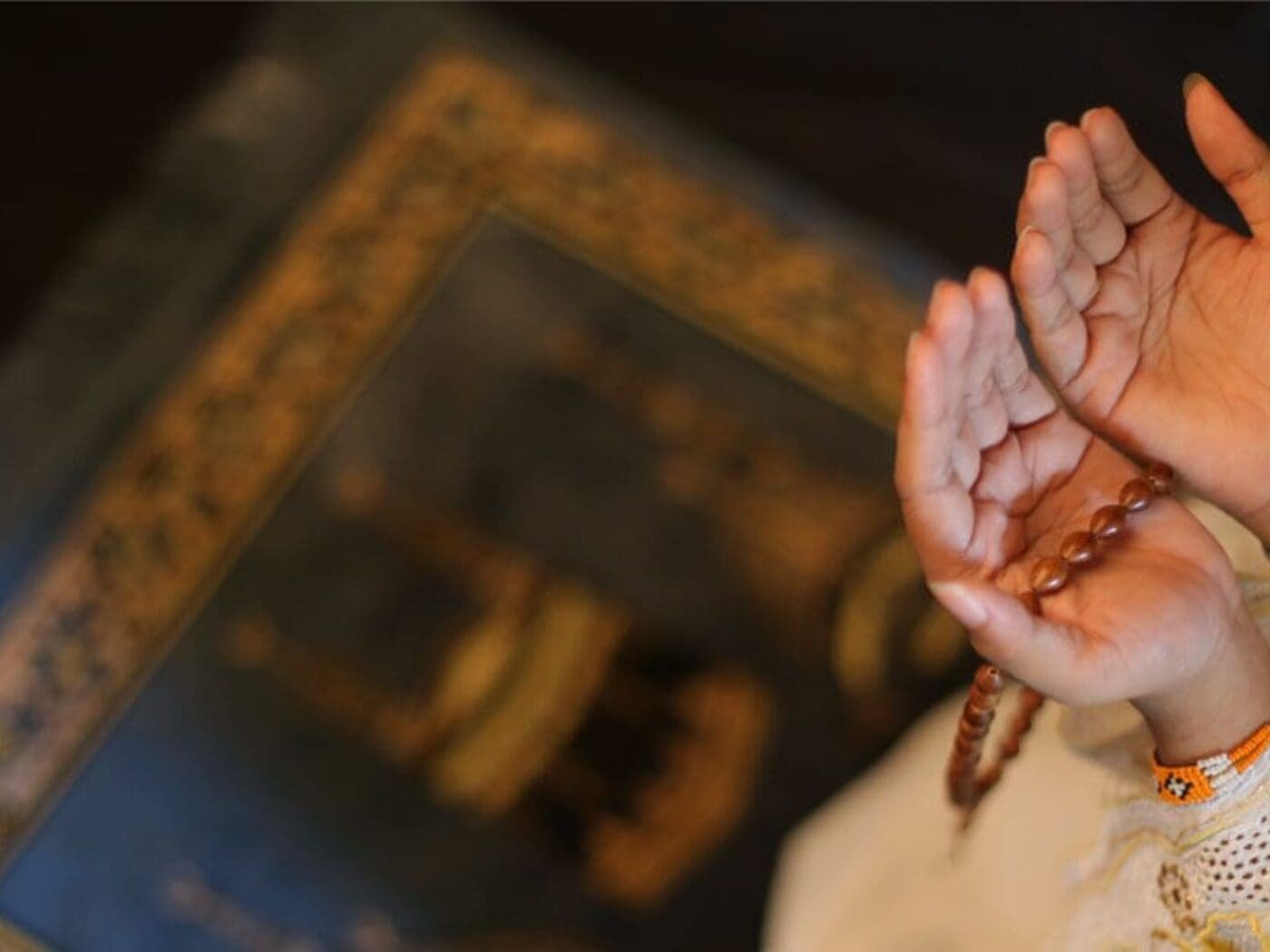
Ramadan is the most sacred month in the Islamic calendar, an opportunity for Muslims to seek forgiveness, improve our character and strengthen our relationship with God. At the same time, our regular responsibilities and schedules continue, making it important to find ways to take care of our minds and bodies while also making the most of Ramadan.
Whether you are studying, working, caring for family, or perhaps a combination of these, modern life is often busy and fast-paced. Here are some tips on how to take care of yourself and make the best use of your time while fasting.
Intention is key
Remember that fulfilling your regular responsibilities, if done for the sake of God, is also a form of worship.
For example, going to work with the intention to be self-sufficient and provide for your family, studying with the intention to help people with the knowledge you gain, and cooking for your family with the intention of ensuring their health and wellbeing, are all actions highly rewarded by God.
Even resting with the intention to have energy to worship is rewarding, a sign of God’s mercy and His desire to make things easy for us.
يُرِيدُ ٱللَّهُ بِكُمُ ٱلْيُسْرَ وَلَا يُرِيدُ بِكُمُ ٱلْعُسْرَ وَلِتُكْمِلُوا۟ ٱلْعِدَّةَ وَلِتُكَبِّرُوا۟ ٱللَّهَ عَلَىٰ مَا هَدَىٰكُمْ وَلَعَلَّكُمْ تَشْكُرُونَ Allah intends ease for you, not hardship, so that you may complete the prescribed period and proclaim the greatness of Allah for guiding you, and perhaps you will be grateful.
[2:185]
So, as you carry out these daily tasks, remember that each second of your Ramadan can be productive and fulfilling.
Fuel your body
During Ramadan, Muslims consume suhoor, a pre-dawn meal. The next time we eat is immediately after sunset. While the length of a fast depends on one’s location and the time of year, the shortest fasts are approximately 12 hours long — making it important to fuel your body correctly and ensure you have enough energy for the day.
Hydration is key. It is recommended to drink 2 litres of water daily, so aim to drink 1 litre at suhoor and 1 at iftar. You can also mix electrolytes (flavoured ones are available too) into your water for extra energy.
While it is tempting to fill up on fried comfort foods such as samosas and pakoras, your body will thank you if you consume these in moderation.
Pair protein with carbohydrates and healthy fats to feel satiated – try to fill a quarter of your plate with protein, another quarter with carbohydrates and the remaining half with produce, particularly fibrous foods such as lentils, brown rice and avocado, to keep your gut happy.
Be time smart
Preparing for Ramadan begins even before the sacred month dawns upon us.
Depending on the nature of your responsibilities, try get as many tasks as possible done before Ramadan, or even during the first 20 days, so that you can focus on worship during the last 10 days of Ramadan.
Energy often lags towards the end of the day, so try to get most of your work done immediately after suhoor or early in the morning when you are most alert.
Use your lunch break wisely – as an opportunity to rest, for prayer or even for taking a shorter break so you can finish work earlier, if that’s an option.
Limit distractions
Ramadan is a fleeting guest, so treat her with the respect she deserves! Try to limit time spent watching TV, browsing or generally being unproductive.
None of us know whether we will live to see another Ramadan, so ensure you make the most of this present gift.
Stay active while preserving energy
It’s important to stay active and get fresh air without over-exerting or dehydrating yourself.
Take care of your physical and spiritual health by going for a daily dhikr walk. Dhikr means to remember God, which can be done in many ways, for example by listening to Qur’an, to a scholar you admire, or verbalising affirmations such as ‘God is the greatest’ and ‘All praise is for God,’ which can help us to feel grounded and calm.
If you have a habit of more strenuous exercise, such as weightlifting, try to reduce this during Ramadan, or ensure you are only doing these exercises when you have more energy, such as after iftar.
Automate donations
To reduce your mental load, you can automate your Ramadan donations, including both zakat and sadaqah, with Islamic Relief.
You can tailor your giving, choosing to spread your payments equally throughout the entire month, increasing payments within the last 10 days, or specifically on the 27th night, a night of immense blessings.
Automate your donations here to ensure you don’t miss Laylatul Qadr and the reward of a night better than a thousand months.