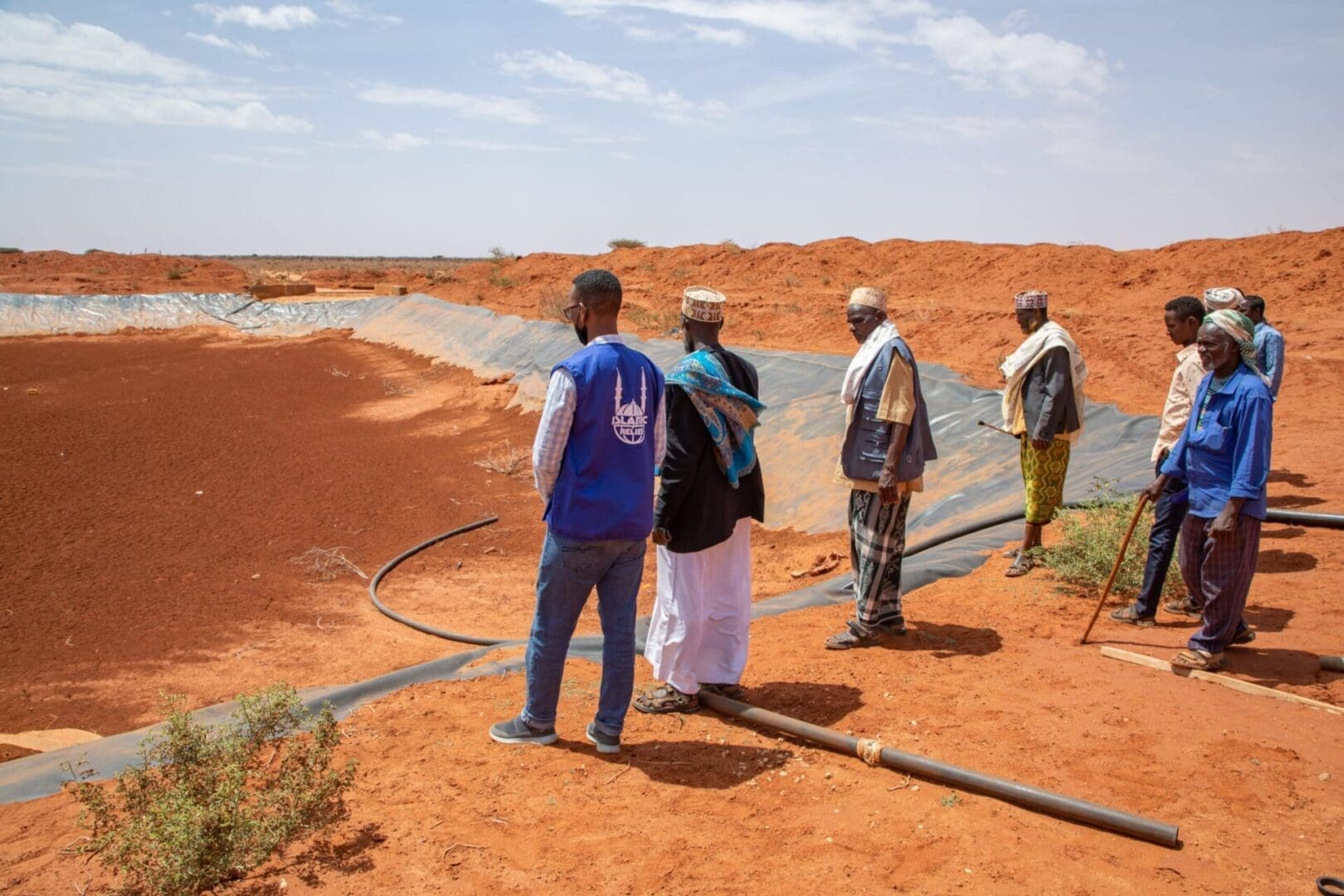
The road leading to Warcimran is bumpy and dusty. The landscape is dry and bare and most of the vegetation has dried up. The village lies just over 100 kilometres from Burao, the second largest city in Somaliland, where modern buildings mask the barren land underneath.
Warcimran is one of the areas that has been affected by the ongoing drought in Somalia and the Horn of Africa Region. It is home to around 5,000 families who live both in the town itself and the surrounding rural areas.
The population is mostly pastoralist and the drought, now in its second year, has affected their means of earning a living. Thousands of livestock have died since the drought began, with the remaining animals being moved to areas where they can graze and drink.
Loss of animals
Rahma, 43, lives in a homestead surrounded by a fence made from thorn tree branches. The mother-of-five has found the current drought particularly hard.
“All our neighbours and friends left the village because of drought and the lack of water
here,” she said, adding that the only available water is very expensive. This water comes ferried in trucks and can cost as much as $130 for 200 litres.
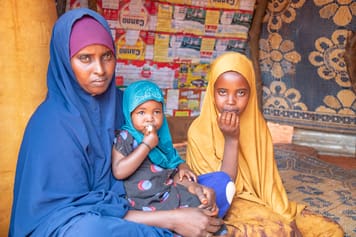
Rahma with her children. Rahma’s family has lost 30 goats due to the drought.
Before the drought, Rahma’s family had 50 goats, but only 20 have survived.
“Day by day they are getting weaker, and the rate of death is increasing tremendously,” she says of the goats. “Every day I see people losing all different types of animals.”
Abandoned homes
Yusuf, 55, has spent his whole life in the village, raising seven children and eventually becoming a community elder.
“This village has gone through many difficult times, but I believe that after the civil war, the current drought is the most difficult,” Yusuf says, referring to the ongoing conflict that began in the 1980s.
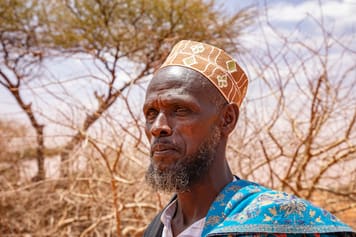
Yusuf has seen the village change dramatically over the years
“Many of the people in this village went to different places to looks for a better life with their animals. The village is full of houses that have been abandoned and boarded up. This is the effect of the severe drought.”
Most severe drought
The village head, Nour, 66, has seen Warciman weather several droughts but is very concerned about the current crisis.
“When the drought hit, people lost their livestock. Their health and nutrition deteriorated,” Nour says. “My animals are weak, no one will buy them because they are so weak and fragile.”
He points to a large dam in the village, which can normally supply residents with water for up to six months. It has dried up completely.
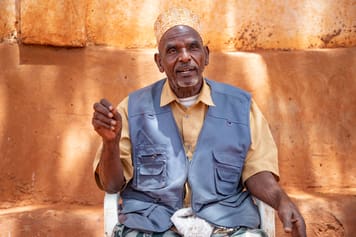
Village head Nour has seen several droughts but is concerned about the current crisis
Droughts such as this one can have lasting impacts on communities, Nour explains: “The schools have been closed because people have moved away and now many children cannot get an education.”
“I think the situation will get worse in the future, so I must do something. Life is getting worse day by day. We need all the help we can get.”
Urgent assistance
The people in Warcimran are calling for urgent assistance from the Government and humanitarian agencies. They are in desperate need of food, water, and feed for their animals.
The situation Warcimran is being repeated across Somalia, where 7.1 million people do not have enough food to eat. The figure is expected to increase by the end of the year.
Islamic Relief has been on the ground in Somalia assessing the situation to offer support. We have been supplying drought affected people with water using trucks, rehabilitating, and digging new boreholes. Islamic Relief is also giving food and cash transfers to families for them to buy essential items. We are also giving shelter and essential household items such as water cans and cooking utensils.
We are supporting vulnerable families in the Horn of Africa amid fears of a severe food crisis as the result of worsening drought conditions.
Help us to continue this vital work. Donate now.