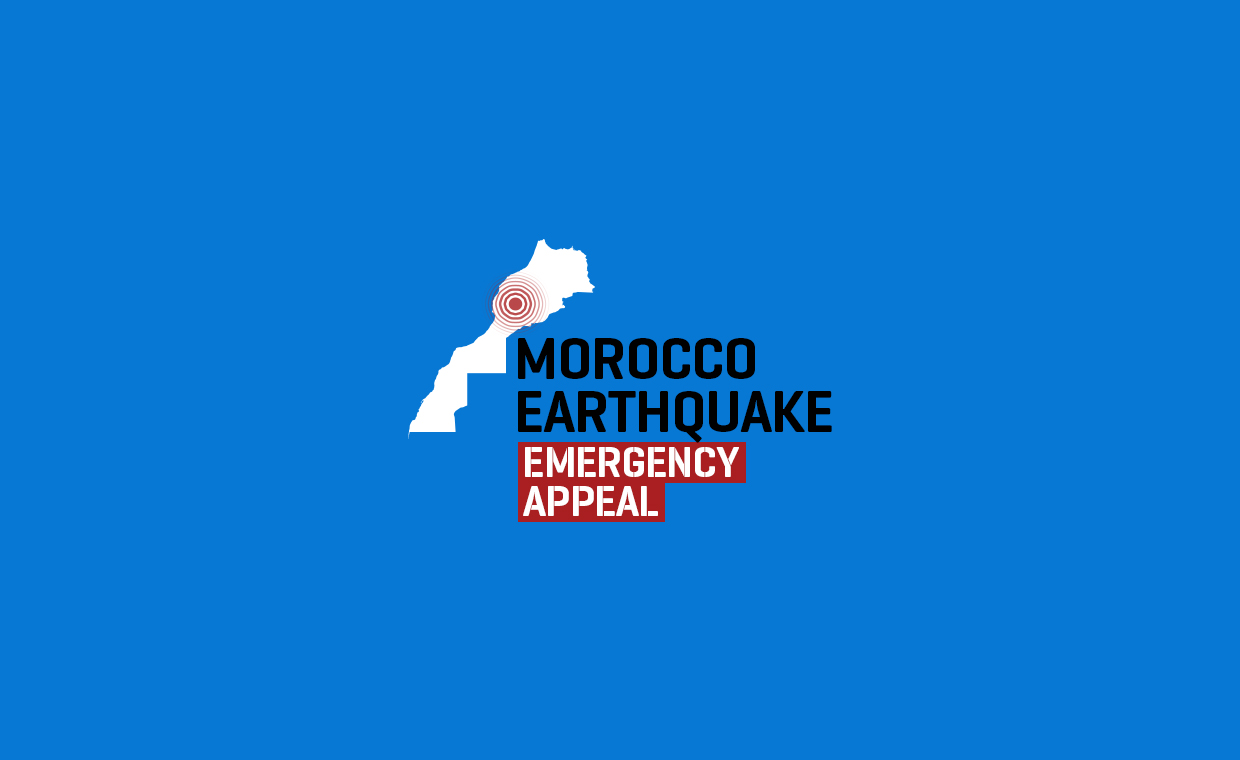
At least 3,000 people have died, with 5,500 more injured, in the aftermath of the powerful earthquake that struck the Atlas Mountains in Morocco on 8 September.
This number is expected to rise further as rescuers desperately search for survivors among the ruins and rubble of collapsed houses.
Most of those killed were concentrated in the Al Haouz municipality, while the remainder are in Ouarzazate, Azilal, Chichaoua, and Taroudant provinces.
Due to blocked roads and challenging terrain, emergency services are facing severe difficulties in reaching the affected communities.
The damage gets worse by the day
The powerful quake struck at 11.11pm on 8 September, with the epicentre located in the High Atlas Mountains.
UNICEF has reported that at least 100,000 children have been impacted by the disaster, while thousands of destroyed houses have left an unprecedented number of uprooted families.
The damage to infrastructure has not yet been accurately assessed but is thought to be extensive. Many hospitals in the region have been either damaged or totally destroyed. Close to 5600 schools have been damaged, particularly in Chichaoua and Taroudant provinces.
Approximately 360,000 people were directly exposed to the earthquake according to a Global Disaster Alert Coordination System (GDACS) report. The remote villages in the High Atlas, an area not known for earthquakes and hasn’t experienced one so severe in more than 120 years, have suffered substantial losses.
Emergency response teams are continuing efforts to reach villages hit hardest by the earthquake. Rubble on the roads in the region is being removed, with several roads being opened up allowing rescuers to reach more towns. Many remote communities lack food, clean water, electricity, and shelter.
Islamic Relief’s response
So far, more than £1.2 million has been raised towards Islamic Relief’s urgent £10 million appeal to help survivors.
Islamic Relief is in continuous coordination with the Moroccan government, which is leading response efforts, and with local partners, in order to deliver prompt and effective humanitarian interventions.
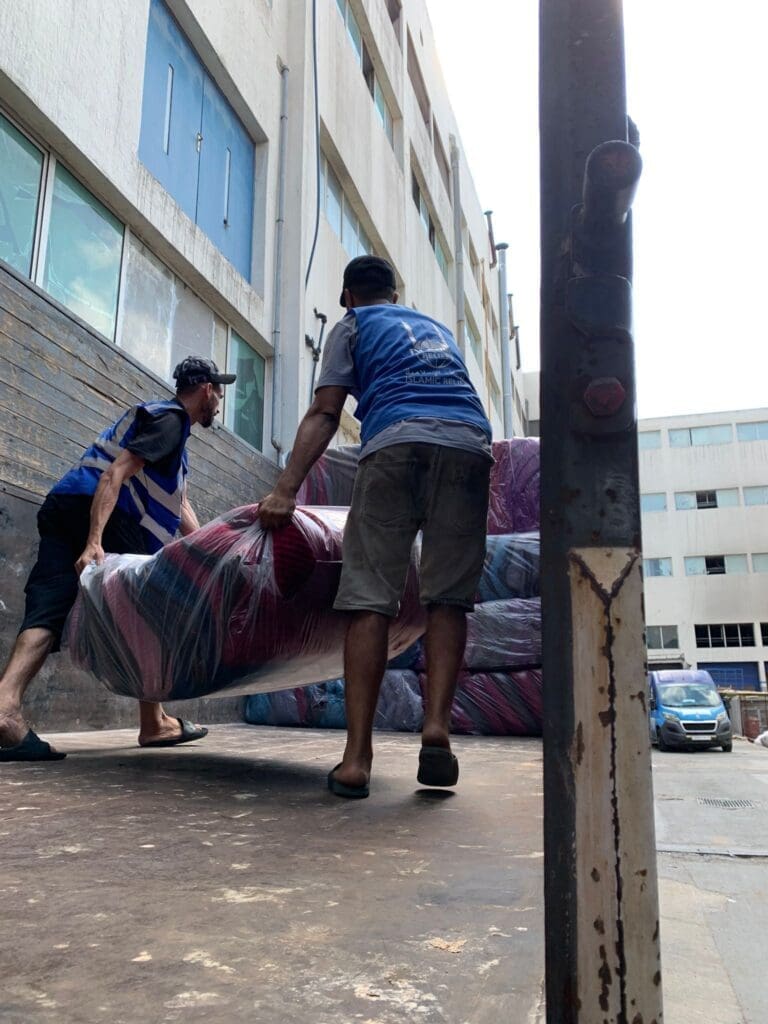
Concern is mounting for survivors of the quake who do not have sufficient food to eat and have no shelter from the cold nights in the mountains. Islamic Relief has delivered blankets and mattresses to survivors in the town of Amizmiz and Chichawa. More blankets and mattresses will be delivered to other towns in the region in the coming days.
You can help survivors of this devastating earthquake by donating to Islamic Relief’s Morocco Earthquake Fund today.