Download the 8th issue of the interagency Gaza Humanitarian Access Snapshot here.
This edition covers the period from 13 November to 10 December.
Summary:
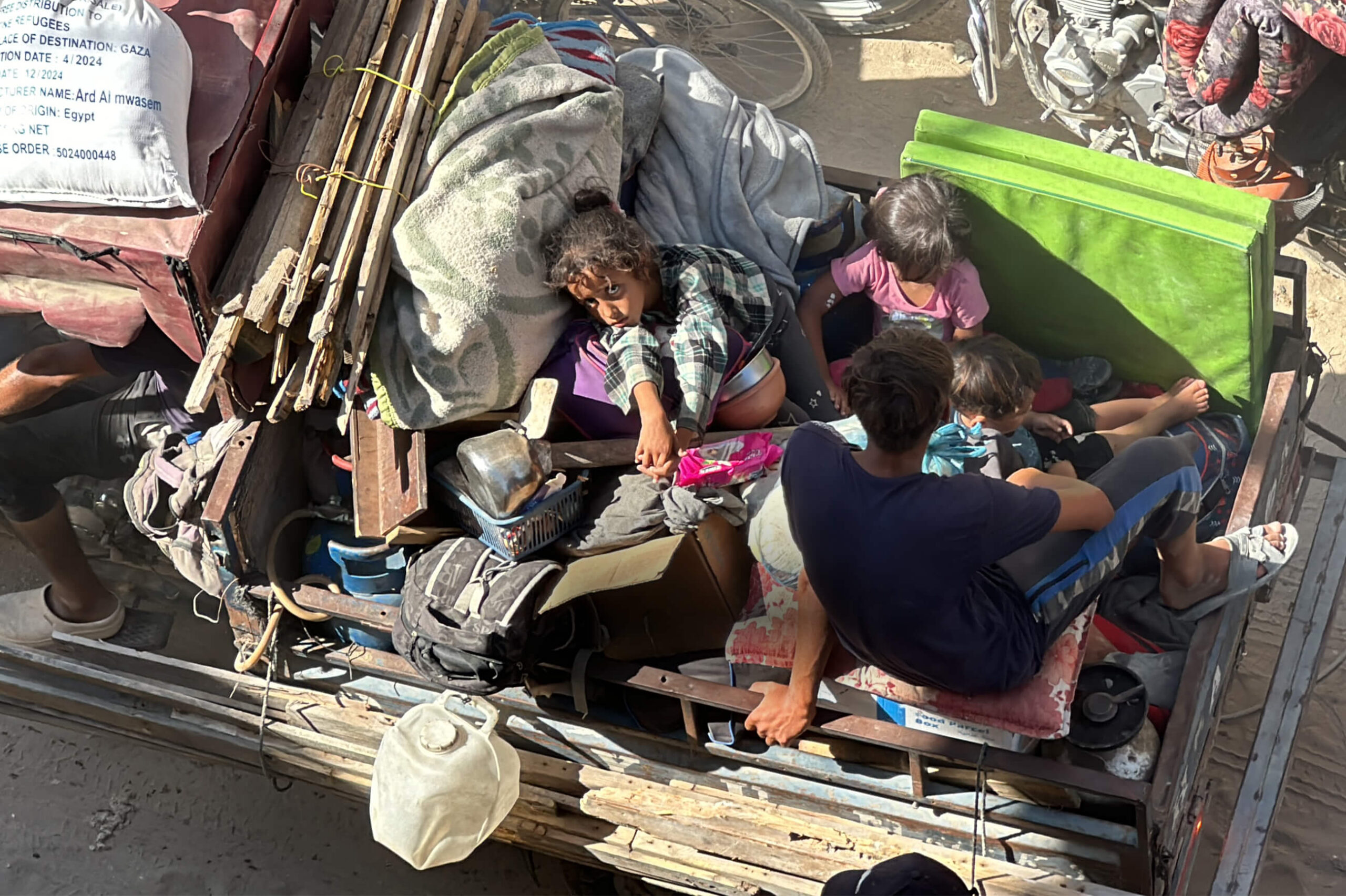
Palestinians in Gaza are facing the combined effects of a lack of critical resources, collapse of public order, and worsening weather conditions. Without adequate humanitarian assistance, Gaza has become “unfit for human survival,” as Joyce Msuya, the acting UN Under-Secretary General for Humanitarian Affairs told the UN Security Council in November.
An average of only 65 humanitarian trucks per day entered Gaza in November, well below the 500 humanitarian truckloads per working day allowed before 7 October 2023, which were already insufficient to meet the needs of the population. In the same period, commercial supplies have come to a near halt.
Attacks on aid workers have continued: on 30 November alone, three separate Israeli airstrikes killed a Palestinian soup kitchen chef feeding hundreds of families in the besieged Beit Lahia, one Save the Children staff member and three staff from World Central Kitchen, pushing the latter to pause its operations altogether. The total confirmed death toll among humanitarian workers since 7 October 2023 now stands at 343.
As acute food insecurity and desperation spread across Gaza, UN and humanitarian organizations continued to experience looting of aid convoys, including by armed gangs, in central and southern Gaza. In some cases, unarmed individuals seized supplies during unloading or transit to distribution points. These incidents underscore the extreme desperation and suffering inflicted on Palestinians, who have been living in conditions that undermine their survival for over a year. As a result of the breakdown of public order, including in areas where there is a heavy presence of Israeli forces, on 1 December UNRWA announced that it was suspending aid deliveries through Karam Abu Salem / Kerem Shalom, the main crossing point for humanitarian aid into Gaza. According to media reports, on 12 December, Israeli forces reportedly targeted a security team escorting aid trucks, killing at least 12 and injuring dozens.
Meanwhile, heavy rains hit the Gaza Strip on 25 November, marking the start of the winter season. The worsening weather conditions are expected to affect more than 1.6 million people living in makeshift shelters,, including half a million in flood-prone areas. In August, OCHA developed a comprehensive winterization plan targeting 2.1 million people and requiring US$242 million, but its implementation is being slowed down by a lack of sufficient funding, and a lack of facilitation by the Israeli authorities to ensure the entry of supplies and equipment.