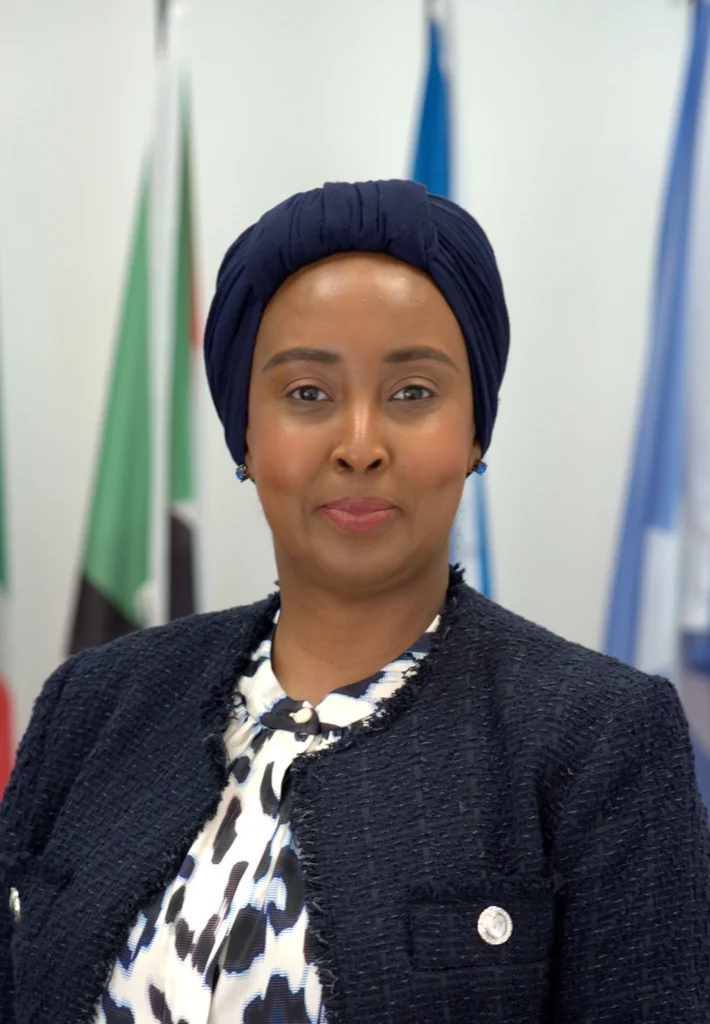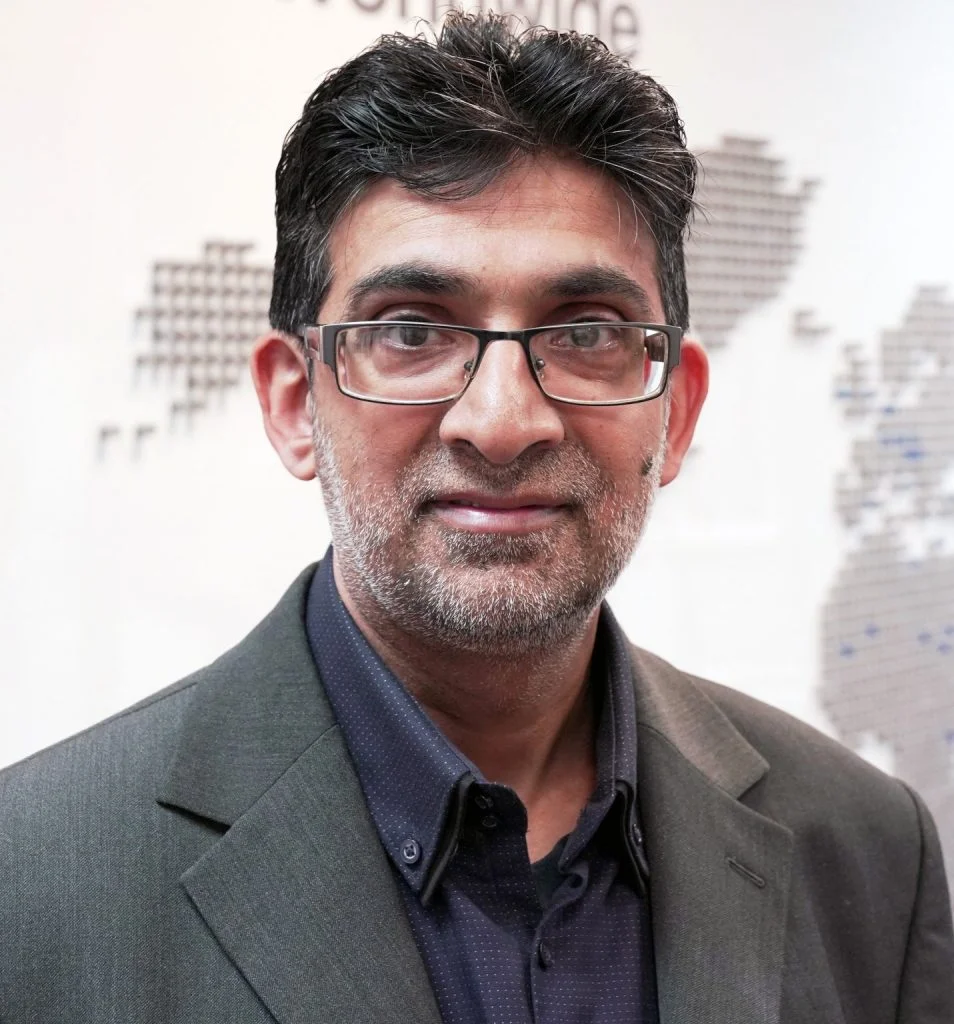
Today marks World Children’s Day, a global day of action for children, marking the adoption of the Convention on the Rights of the Child (CRC). Bushra Rehman, Child Protection and Inclusion Advisor for Islamic Relief Worldwide, explains the importance of the annual event, and what Islamic Relief do to support children through our programmes.
Across the world, children continue to face reality in its harshest forms – hunger, displacement, neglect, trauma, and the constant threat of violence or disease. Images of children escaping wars and disasters have become heartbreakingly familiar as they appear on our screens and flood our social media feeds. Nowhere is this pain more visible than in Gaza.
For nearly a year, the world has witnessed what can only be described as a systematic assault on childhood itself. Tens of thousands of children have been killed or maimed, their schools and playgrounds reduced to rubble, their families torn apart.
But it’s not just Gaza – the ongoing conflict in Sudan, the floods in Pakistan, the earthquakes in Afghanistan, and the drought and food crisis in the Horn of Africa – these may be different crises, but they share a painful truth: children are always among the most affected, and too often, they are the ones left behind.
Every year on World Children’s Day we are reminded of something that should never be forgotten: children have a right to be safe, to learn and to play, something enshrined in the UN Convention on the Rights of the Child (UNCRC). And we also hear phrases like ‘Children are the future’, and yes, that’s true, but it misses something vital: children are also the present. They are citizens today, living real lives with real needs, and real concerns,
At Islamic Relief, we take that responsibility seriously. Across the world we’ve been investing in the protection of children and promotion of well-being from using our Spiritual Nurturing Toolkit in Pakistan to support parents in raising children with dignity and compassion, to working with faith leaders through Channels of Hope for Child Protection to challenge harmful practices and build safer communities. Alongside these global efforts, our country teams are creating practical opportunities for children to heal, learn and grow – even in some of the toughest places to be a child today.
Bangladesh – standing against early marriage
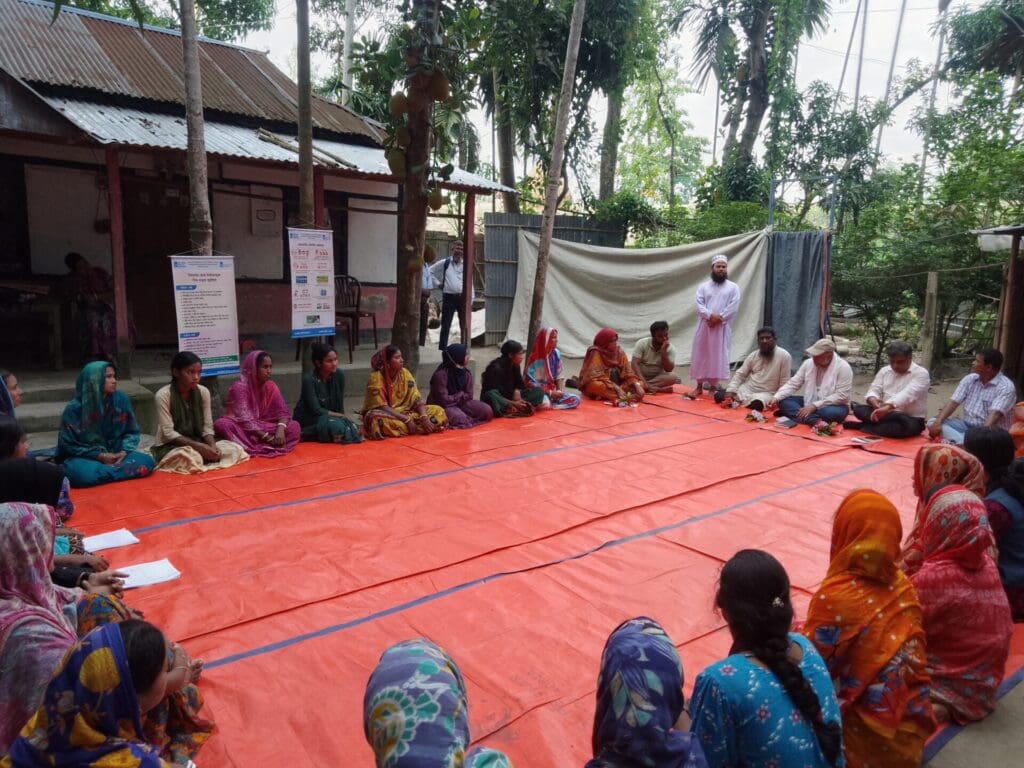
In Bangladesh, too many young girls are pressured into early marriage, cutting short their childhoods and their chance to learn, grow and choose their own path. Our teams are working hand-in-hand with families and communities to change this. Under the Improving Protection of the Children at Risk through Socio-economic Empowerment (PRiSE) project, Islamic Relief Bangladesh is supporting adolescent girls to stay in school through stipends, builds life skills through children’s clubs, and strengthens community protection systems that have already prevented nine child marriages. The project also empowers mothers with cash grants, self-help groups, and financial training, while engaging faith leaders and local influencers to advocate against early and forced marriage.
By raising awareness, supporting parents, and empowering girls through education, we are breaking cycles of poverty and giving young people a chance to imagine a different future. It’s about protecting childhood and opening doors, not closing them too soon.
Sudan – a place to feel safe again
When war or displacement tears children away from everything familiar, the smallest things can bring back a sense of safety.
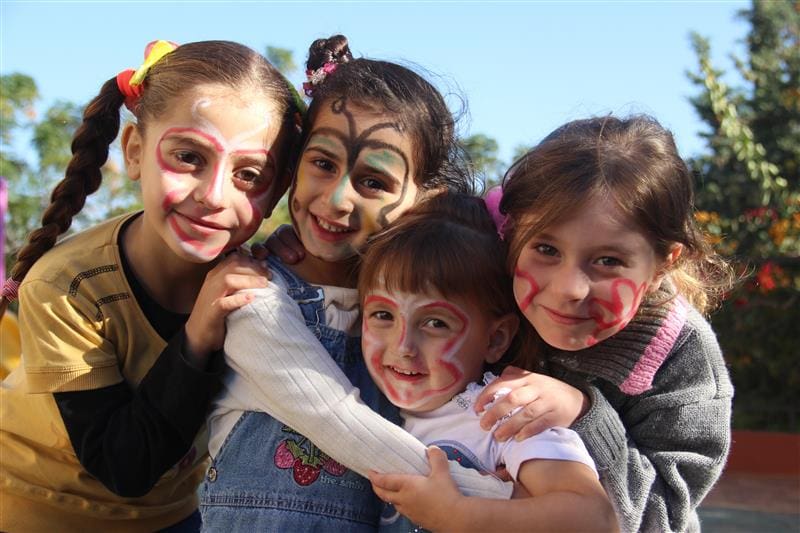
In Sudan, we have set up Child Friendly Spaces – places where children can draw, play, and laugh without fear. These aren’t luxuries. They are essential for healing. The 2018 Paediatrics article ‘The Power of Play’ highlights that during periods of stress and adversity, play allows children to process their experiences. By acting out their emotions, re-enacting situations, and repeating events, children can begin to make sense of what they’ve been through and regain a sense of control.
But you don’t need to be an expert to see it. When you walk into one of these spaces and hear the laughter, you know something is being restored.
In Um Rakuba and Tunaydbah refugee camps in Sudan, Islamic Relief runs Child Friendly Spaces where children take part in play and sports, receive learning support, express themselves through art and peer activities, and build life skills around hygiene, safety, and protection.
Mali – the joy of recreation
In Mali, conflict and instability have disrupted so many aspects of children’s lives. Yet even here, there is room for joy.
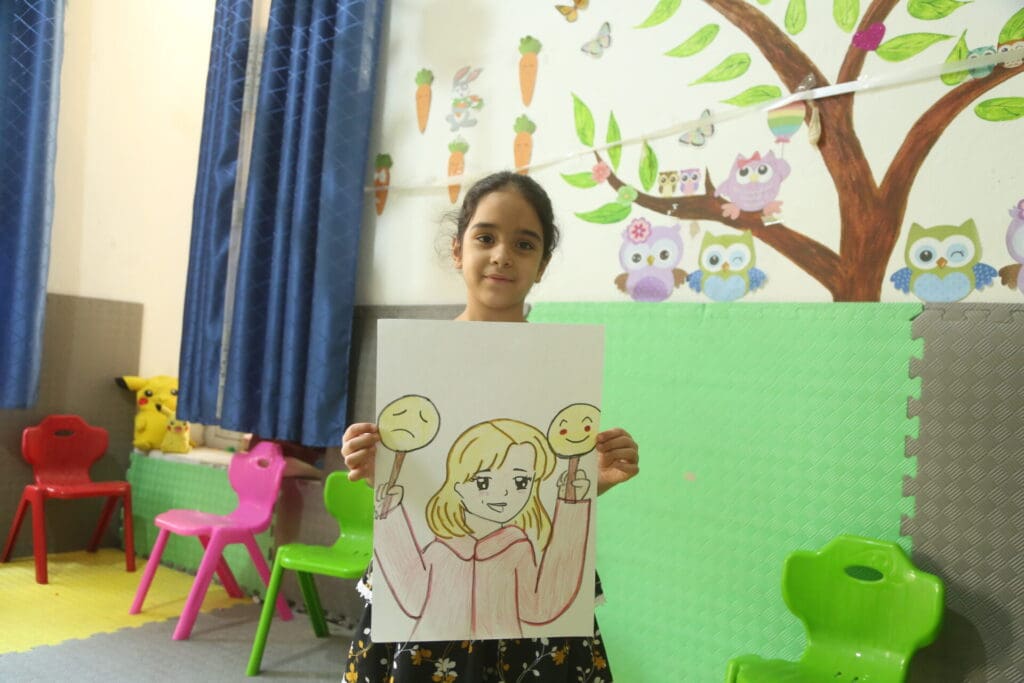
Islamic Relief has long recognised that play is not a luxury: it’s a vital part of a child’s recovery and growth. Through carefully planned recreational activities, our teams in Mali have created safe environments where children can learn, laugh, and rebuild confidence after hardship. These activities might look simple, but they help children rebuild friendships, regain confidence, and remember that life is more than just survival. For parents too, seeing their children laugh and play is a reminder that healing is possible.
Syria – education as a lifeline
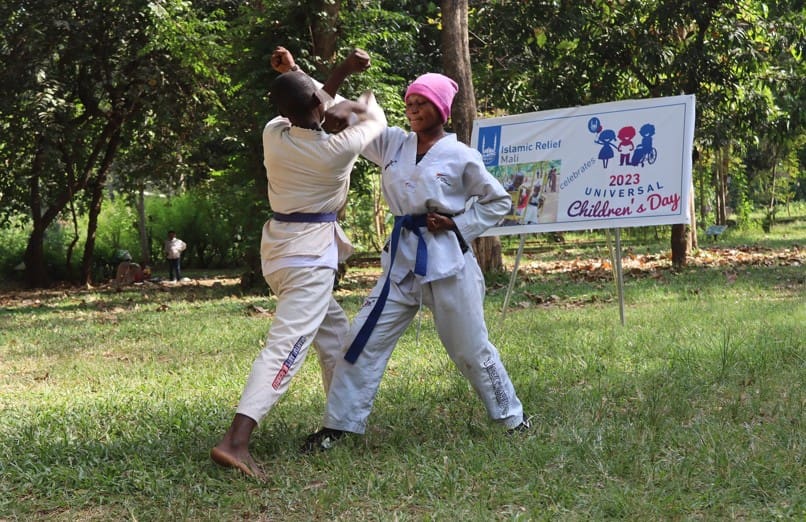
For Syrian children who have grown up in war, a Child Friendly Space is not just about games and activities. It is about hope. These safe spaces offer a sense of normality and stability when everything else feels uncertain. They give children room to learn, play and heal, but more than that, a Child Friendly Space is a reassurance that their children have a chance to experience safety, joy and the foundations of a life beyond conflict.
Islamic Relief’s Protection Centre in Ariha, Idlib, provides one of the only safe spaces of its kind in the district, offering women, girls and children a secure environment to heal, learn and grow.
At its heart is a Child Friendly Space (CFS) where children can access psychosocial support through structured play, creative activities, and learning games that build resilience, confidence and teamwork. The centre also runs awareness sessions for parents and caregivers on positive parenting, child protection, and digital safety, while offering case management and referrals for children at risk of violence, neglect or child labour.
Healing, play and protection are shared responsibilities
20 November holds special significance. It marks the day in 1959 when the UN General Assembly adopted the Declaration of the Rights of the Child, and again in 1989 when it adopted the Convention on the Rights of the Child.
Across the world, this vision lives on, in Bangladesh, where our programmes aim to address the root causes of harmful practices; in Sudan, where safe spaces give children room to heal; in Mali and Syria, where play and creativity bring back laughter
Each of these moments is rooted in the same belief: every child deserves a childhood. The UNCRC recognises this as a right but as human beings, we must embrace it as a shared responsibility. No matter the limits of funding or the shifting global landscape, children affected by crisis and conflict still need protection, hope, and a chance to thrive.
BROWSE OTHER OPINIONS
FEATURED OPINIONS
- Saving our home: Time for urgent action on World Environment Day
- Gaza one year on: Endurance and exasperation
- Away from the headlines there is an opportunity for real climate action
- How the Core Humanitarian Standard guides and inspires my safeguarding work
- Leave in Hope: the end of the Bonn conference
MOST POPULAR TOPIC
View More