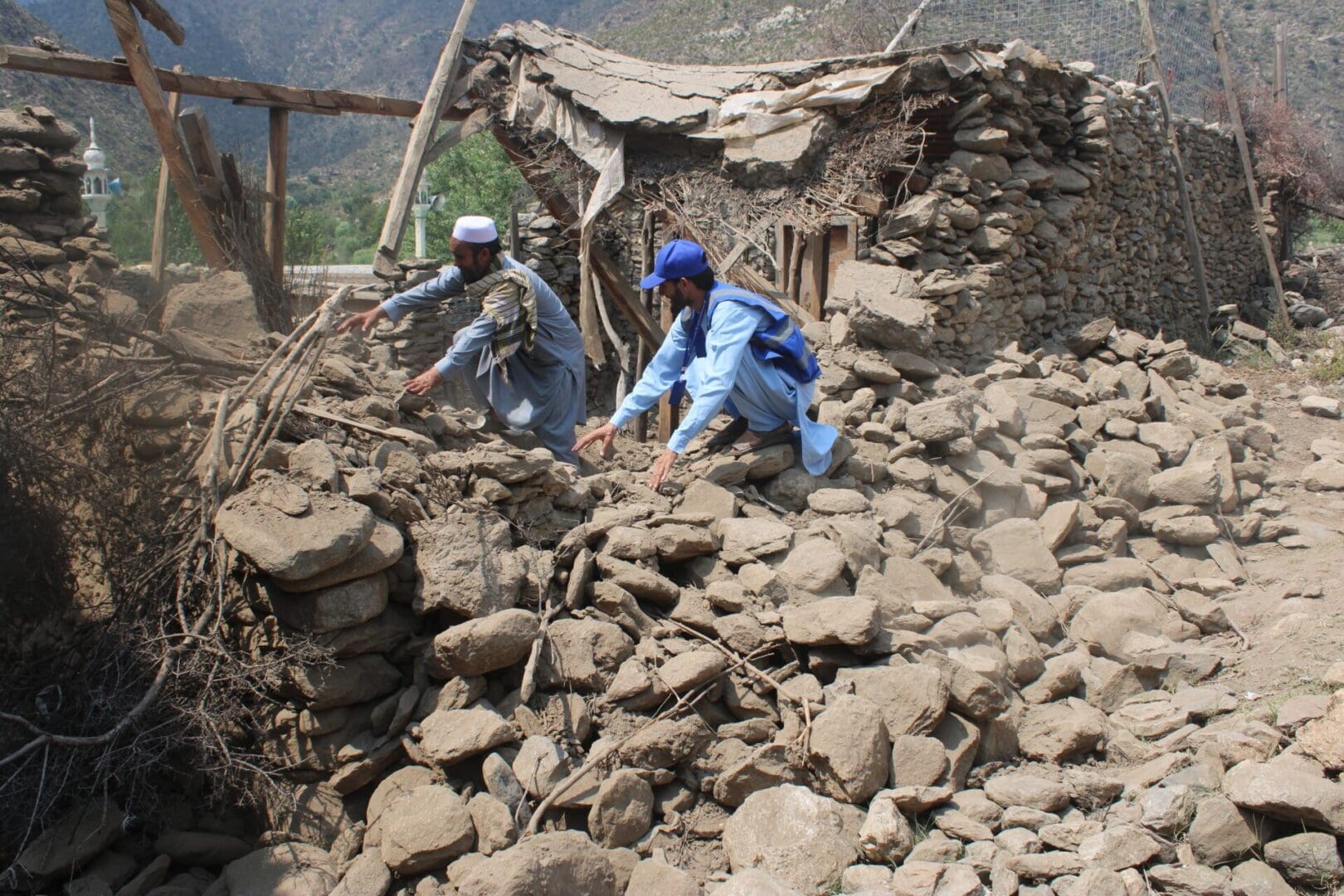
In late August, a 6.0-magnitude earthquake struck eastern Afghanistan, killing more than 800 people and affecting thousands more. In response, Islamic Relief has launched an emergency appeal to support survivors.
Islamic Relief has decades of experience responding to earthquakes around the world and supporting affected communities through their short-and-long-term recovery.
Here, we explain what earthquakes are, the damage they can cause, and steps communities can take to protect themselves.
What is an earthquake?
An earthquake is the sudden release of energy in the outer layers of the Earth, causing the ground to shake, and sometimes even crack, depending on the quake’s strength.
Earthquakes are among the deadliest natural disasters because they strike without warning, and many areas prone to earthquakes are also highly populated.
Unlike other natural disasters, such as flooding and wildfires, earthquakes have not significantly increased in frequency or severity due to climate change. However, there are fears that earthquakes will become more deadly as urbanisation increases, including in areas vulnerable to earthquakes.
What causes an earthquake?
The Earth’s surface is made up of large sections of rock called tectonic plates, which fit together like a jigsaw. These plates are constantly moving and rubbing against each other due to molten rock below, and are responsible for creating mountain ranges, oceans and other geographical features.
They are also responsible for natural disasters like earthquakes and volcanic eruptions.
Some plates have ‘faults’ – rough patches of rock that prevent the plates from sliding smoothly and are reflected in ‘fault lines’ on the Earth’s surface. These faults are gradually worn away by tectonic movement, creating ripples of seismic energy that can mirror the amount of energy released by an atomic bomb. This is an earthquake.
What happens during an earthquake?
During an earthquake waves of energy are released, causing the Earth’s surface to shake, and sometimes triggering tsunamis.
The severity of an earthquake’s impact will depend on its strength and where the epicentre is located. Strong earthquakes can damage or completely collapse buildings, tear down bridges and render asphalt and concrete roads impassable. This damage to infrastructure can cut affected communities off from escaping further danger, accessing essential services like hospitals, and receiving aid.
Large earthquakes can often be followed by aftershocks, also known as tremors – smaller earthquakes that occur hours, days, or even weeks and months after the major event.
Smaller earthquakes may cause only minor damage, such as items falling off shelves in homes and other buildings, or might not even be felt at all.
How are earthquakes measured?
Until recently, earthquakes were measured on the Richter scale. This scale used numbers 1-10 to indicate the magnitude (i.e. strength) of an earthquake, with 10 being the most powerful. The Richter scale is logarithmic, meaning, in this case, that each number value is 10 times more than the preceding one. So, for example, a magnitude 6 earthquake is 10 times stronger than a magnitude 5 earthquake.
Today, the Richter scale has been replaced by the Moment Magnitude Scale, which is more accurate at measuring larger quakes. However, it uses the same number value to measure earthquakes’ magnitudes.
What is the centre of an earthquake called?
The point below the Earth’s surface where an earthquake starts – where the fault breaks – is called the ‘focus’ or ‘hypocentre’ – this could be several kilometres deep.
Perhaps a more familiar term, is ‘epicentre’, which refers the corresponding point on the Earth’s surface directly above the hypocentre.
Which places are most vulnerable to earthquakes?
Countries located in areas of high seismic activity are particularly vulnerable to earthquakes. Among these areas, the most active are the Pacific Ring of Fire and the Alpide Belt, which take in countries including Indonesia, Japan, Mexico, Chile, the Philippines, China, Iran and Türkiye.
Other countries outside these areas that are also at high risk from earthquakes are Italy, Greece and the United States (specifically the Los Angeles area).
What about Afghanistan?
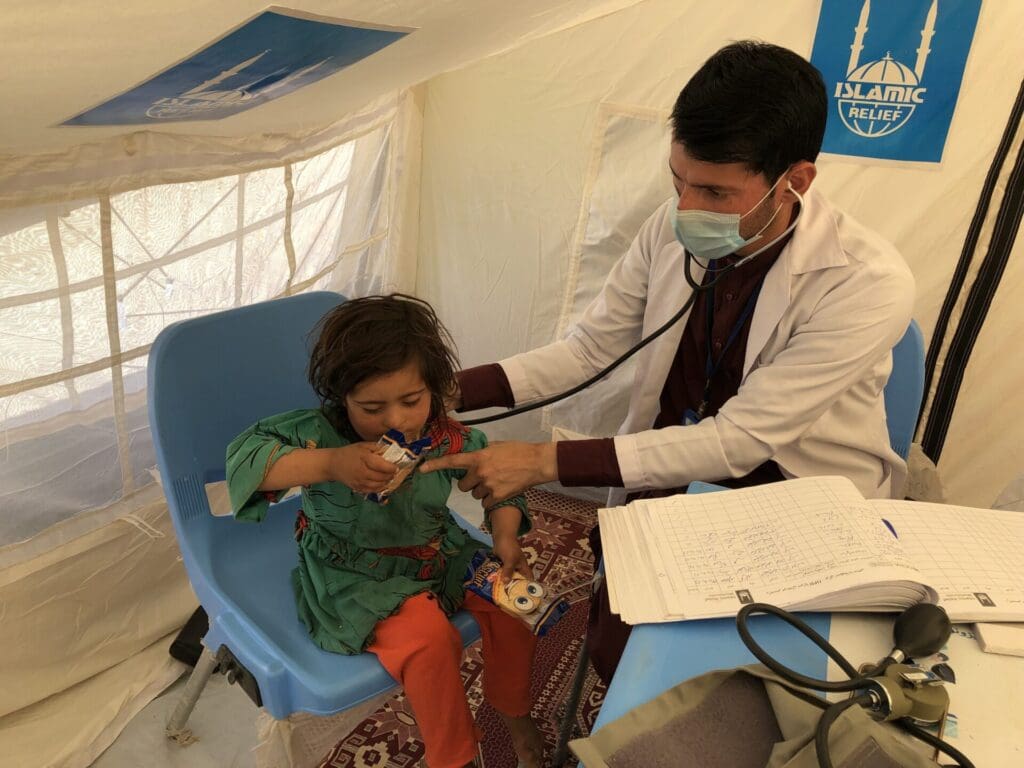
Parts of Afghanistan lie within the Alpide Belt, making it, and other Himalayan countries, highly vulnerable to earthquakes.
In the last 10 years, Afghanistan has been struck by at least 7 strong earthquakes (i.e. magnitude 6 or over), which have killed thousands of people.
Most of these recent quakes have hit in the Hindu Kush area, where the Eurasian and Indian tectonic plates rub against one another.
What was the strongest earthquake ever recorded?
The strongest earthquake ever recorded struck off the coast of Biobio, Chile, on 22 May 1960. The magnitude 9.5-quake killed an unknown number of people and left millions homeless.
Without an accurate death toll, estimates range from 1,000 to 6,000. The damage caused by the disaster was similarly massive, with huge swathes of the port city of Valdivia destroyed.
The enormous earthquake triggered tsunamis that rose as high as 80 feet along the Chilean cost. Hours later, 18-feet waves hit Japan, and later still 35-feet waves crashed into Hawaii. The earthquake is also believed to have caused the nearby Cordon Caulle volcano in Chile to erupt just 2 days later.
Do all earthquakes trigger tsunamis?
No. Tsunamis generally happen when the epicentre of an earthquake is underwater, and the hypocentre is shallow enough to affect the surface of the seafloor.
To trigger a tsunami, an earthquake’s magnitude would also have to be very strong (6.5 or higher), and the quake would have to cause significant vertical movement of the ocean floor. If an earthquake causes the ocean floor to shake side to side, rather than up and down, a tsunami is less likely.
What can people do to prepare for earthquakes?
While seismologists – scientists that study earthquakes – can often predict where an earthquake will occur, it is so far impossible to know when they will happen.
To combat the threat, some earthquake-prone countries have buildings designed to resist collapse, and evacuation routes and assembly points in place.
Individuals should look to their local authorities for specific advice, but general advice includes identifying hazards in the home ahead of time and securing heavy items, such as bookcases, that could fall and cause injury in the event of an earthquake.
People can also prepare for the worst, by gathering essential supplies and important documents in an accessible place should they need to leave home quickly.
What should you do to keep safe during an earthquake?
Advice on how to keep safe during an earthquake depends where you are when it happens. You should refer to your local body responsible for disaster preparedness for the most suitable advice. However, below is some general advice:
If you are indoors, you should drop to your hands and knees and try to hold onto something sturdy. Cover your head and neck with your arms or crawl under a sturdy desk or table if you’re able to.
If there is no shelter nearby, crawl next to an interior wall, away from any windows and doorways, and remain on your hands and knees. This position offers some protection for your vital organs. It’s important not to panic and run outside, where you could be more at risk from toppling buildings.
If you are outdoors, try to move to an open area away from buildings, trees, streetlights and power lines that may collapse. Drop to your hands and knees and cover your head to protect yourself from debris.
What about in the aftermath?
After an earthquake, you could be at risk from damaged buildings, potential gas leaks and numerous other hazards. Always seek advice from your local disaster management body for specific advice.
Aftershocks may occur, so be ready to drop to the ground and seek cover, if needed. Check yourself for any injuries and leave or move away from any damaged buildings.
If you are in a coastal area at risk from tsunamis, move to higher ground or further inland as soon as possible.
Once you are safe, move to any official evacuation or assembly points, and keep track of developments through official news channels.
How does Islamic Relief support people affected by earthquakes?
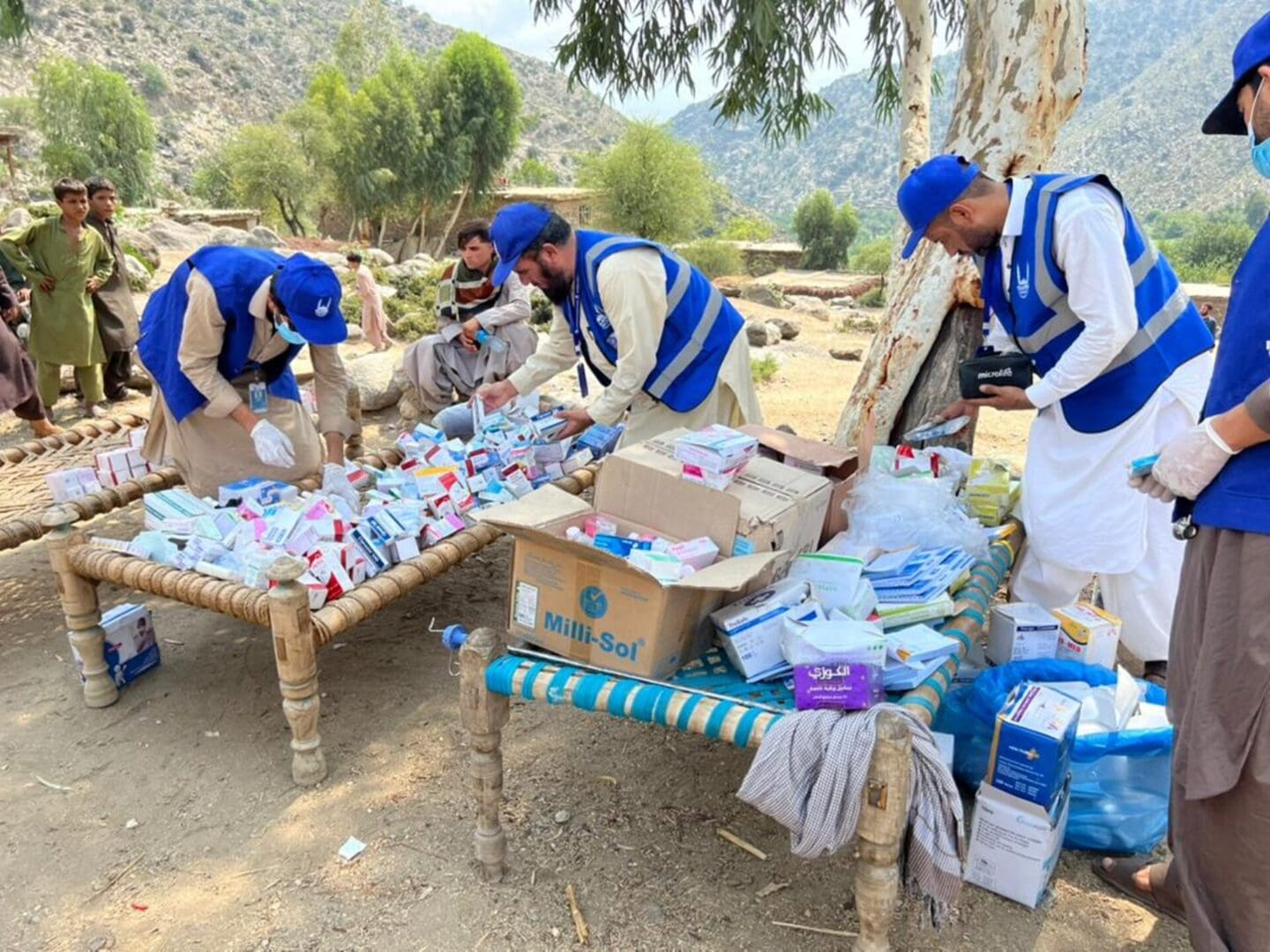
When responding to earthquakes, Islamic Relief aims to reach affected communities as soon as possible with essential items such as drinking water and shelter materials.
From there, depending on the scale of the disaster, we may work with local partners, other International Non-Governmental Organisations (INGOs), and authorities to coordinate a response, ensuring we are meeting the needs of affected people as efficiently as possible.
For large-scale emergencies, this response could last months or even years, and will be adapted to meet communities’ changing needs, such as access to clean water and sustainable livelihoods.
In Afghanistan right now, our team is on the ground coordinating efforts to deliver food packs, hygiene kits and cash to affected families.
We have also deployed a health team to provide essential services to the affected areas, and have been providing refreshments to people in need.
Please help us to continue this vital work supporting families affected by this earthquake. Donate to our Afghanistan Earthquake Appeal today.