The survival of our planet is at stake at next week’s COP29, and Islamic Relief is calling on world leaders at the summit to deliver a $5 trillion a year package to support poorer countries that are suffering the worst impacts of climate change.
With 2024 now set to be the hottest year ever recorded, rich nations must also agree clear actions to get global heating back below 1.5⁰C above pre-industrial levels – at which point the impacts become catastrophic and potentially irreversible. New UN projections show global heating is set to rise to 3⁰C within decades, which would be a death sentence for millions of people all over the world. The only way to stop this is for countries and corporations to drastically cut carbon emissions by ending use of fossil fuels and investing much more in renewable energy.
COP29 – the UN climate change conference taking place in Baku, Azerbaijan, from 11-22 November – has been dubbed the “Finance COP” because financing to poor and middle-income countries will be top of the agenda. Most of these nations contribute the least to carbon emissions, yet are being devastated by droughts, floods and other climate emergencies and are increasingly vulnerable to conflict over diminishing resources. Rich nations who pump out around 75% of carbon emissions have a moral debt to help those whose lives and livelihoods are being destroyed by their actions.
Jamie Williams, Islamic Relief’s Senior Policy Advisor, who will be attending COP29, says:
“The $5 trillion a year that we are calling for is not about charity, it’s about justice. Rich nations and corporations are fuelling the climate catastrophe through their emissions, and they have an obligation to compensate the people whose lives they are destroying. They have no excuse not to find the money when they are spending trillions a year on weapons and fossil fuel subsidies. The funds would help begin to cover the huge loss and damage from climate change, help communities adapt, and fund investment in renewable energy.
“But the political will to do this is sorely lacking. At COP29 there will be many thousands of lobbyists blocking progress on behalf of governments and super-rich companies who are getting even richer from climate change. Islamic Relief works with some of the most vulnerable communities in the world and the discussions at COP are so far removed from their experiences. They won’t be there in the room, but the outcome will decide their future. There is a massive risk that COP29 just becomes more ‘blah blah’ rather than actually addressing the problem, but the stakes are too high to let that happen. We must make sure that COP gets back to the fundamentals of saving the planet.
“Farmers in Bangladesh and pastoralists in Somalia have done nothing to cause climate change, but they are the worst affected. They need these funds to survive. But we also need to stop global warming before it reaches the point of no return, and the only way to do that is for rich nations to get serious about cutting emissions and phase out the use of fossil fuels.”
Shahin Ashraf, Head of Global Advocacy at Islamic Relief Worldwide, says:
“2024 is set to be the hottest year ever recorded and the first year with global heating above 1.5⁰C. The planet is sending us a warning alarm loud and clear, but governments aren’t listening.
“The urgency to act on climate change has never been clearer, and it is literally a matter of life or death for millions of people. At COP29 rich nations must commit to immediate decisive action to bring global heating back below the critical 1.5 ⁰C threshold. Our planet’s future depends on it. To avoid this fate countries and companies must abandon fossil fuels and make unprecedented investments in renewable energy.
“This is not just a call to action, it’s our final chance to protect life as we know it, not only for ourselves but for every generation to come.”
Islamic Relief is calling for new funds to be in the form of grants, not interest-bearing loans that trap poor countries deep into further debt. These grants must be transparent and accountable.
Local governments must also ensure transparency in how these funds are spent, and ensure that the most marginalised and most vulnerable sectors of society have a meaningful say in national plans to tackle climate change. Young people, women, indigenous people and refugees are often sidelined in climate discussions yet are often disproportionately affected by climate change. COP28, which was held last year in Egypt, made significant progress on recognising the importance of locally-led adaptation and this must be built on at COP29.
At last year’s COP28 world leaders also announced a new Loss and Damage Fund, but a year later this fund is still stuck in negotiation and is still to be implemented. At COP29 the fund must be operationalised and resourced.
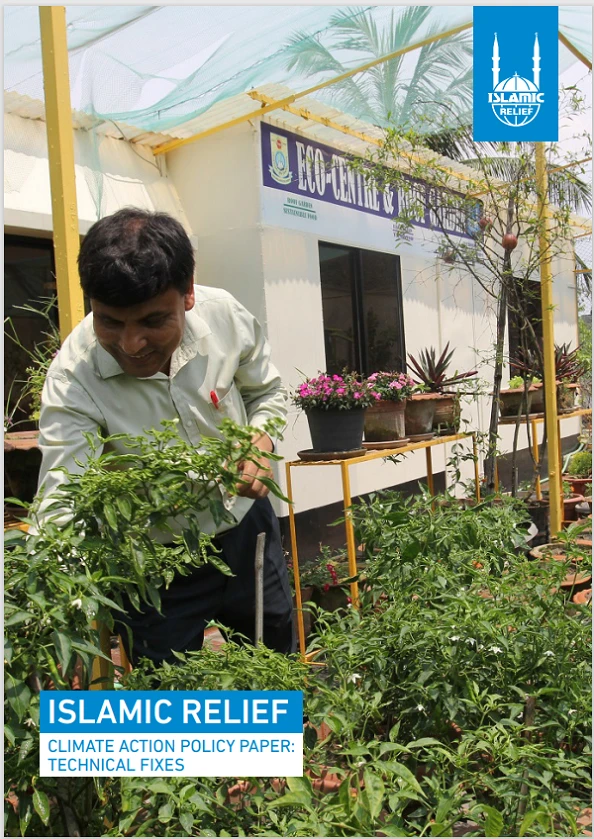
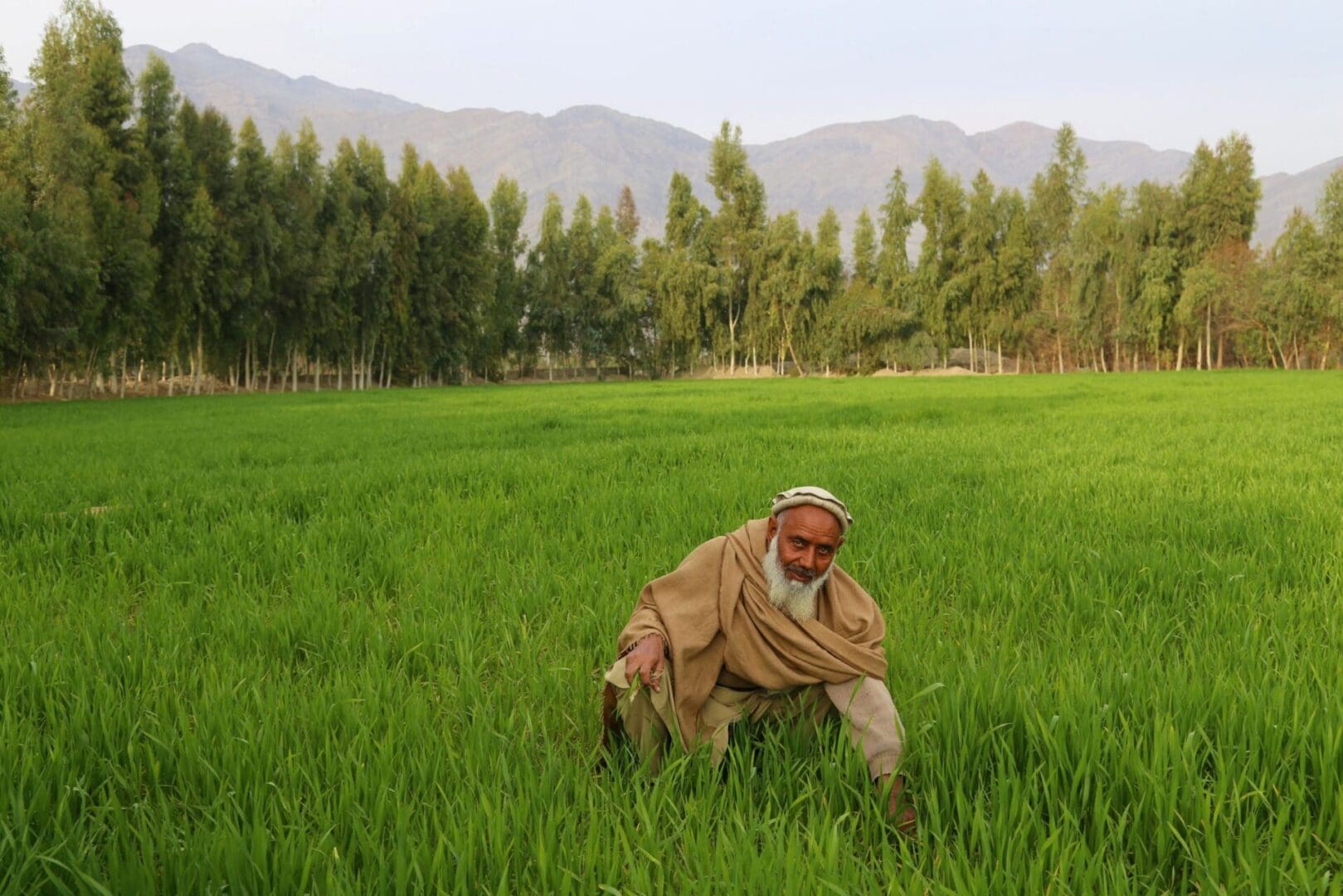
Islamic Relief works with communities affected by climate change in 23 countries, spending almost $150 million a year on climate adaptation programmes such as helping farmers in Afghanistan protect their fields from floods, establishing solar-powered irrigation systems in Mali, defending land rights in Indonesia, and piloting drought-resistant seeds in Kenya.