“Our entire way of life was wiped out in moments. Everything we depended on is gone.”
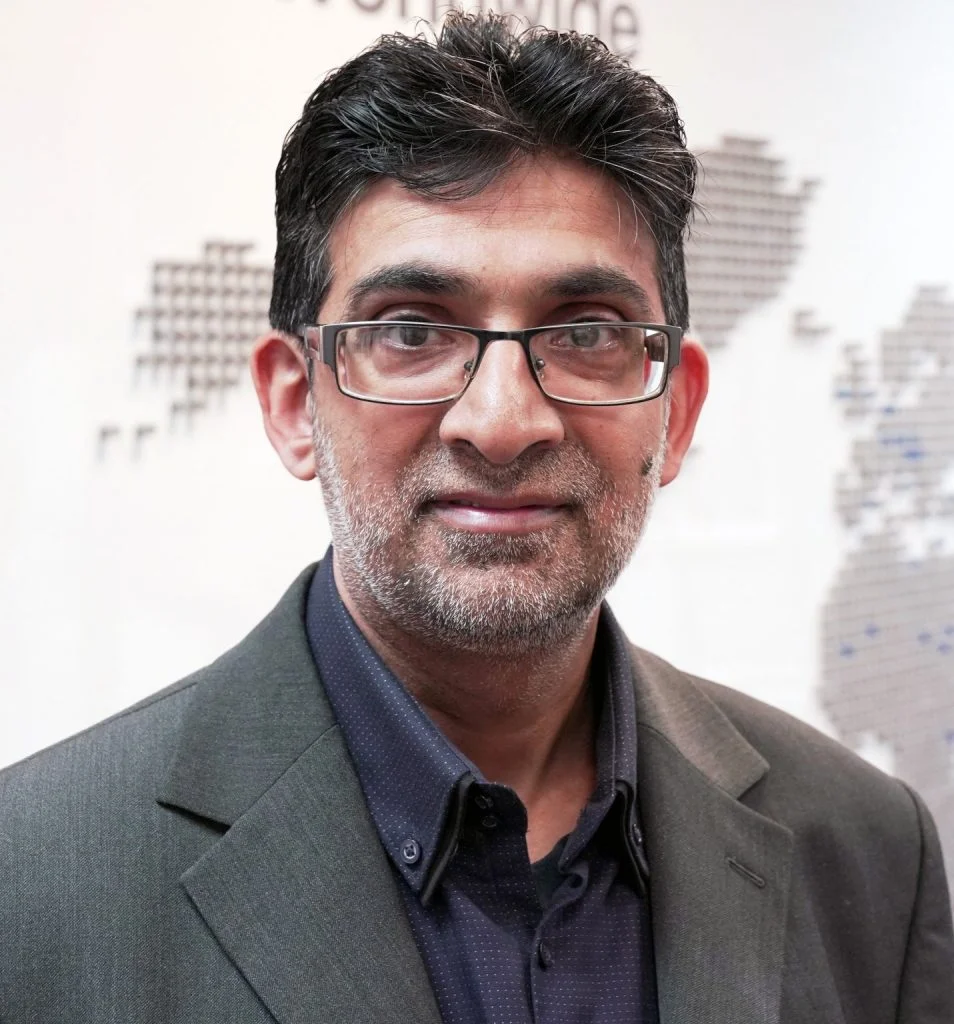
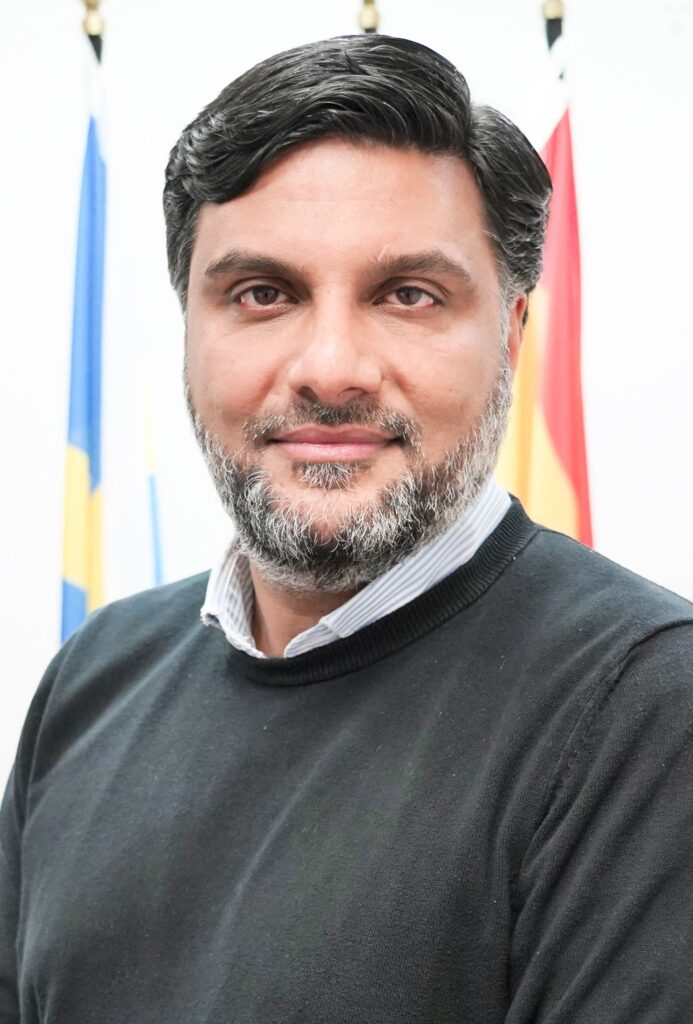
Qari, a 45-year-old farmer, was living and working in the village of Poh Seray in the Chawkay district of Kunar province when the earthquake struck.
Like nearly half a million people across eastern Afghanistan, Qari and his family lost everything.
“The earthquake has left us in a very difficult situation, we do not have access to basic needs, as almost everything is destroyed.
“Our homes, livestock, local market, and most of the village collapsed and turned into mud.”
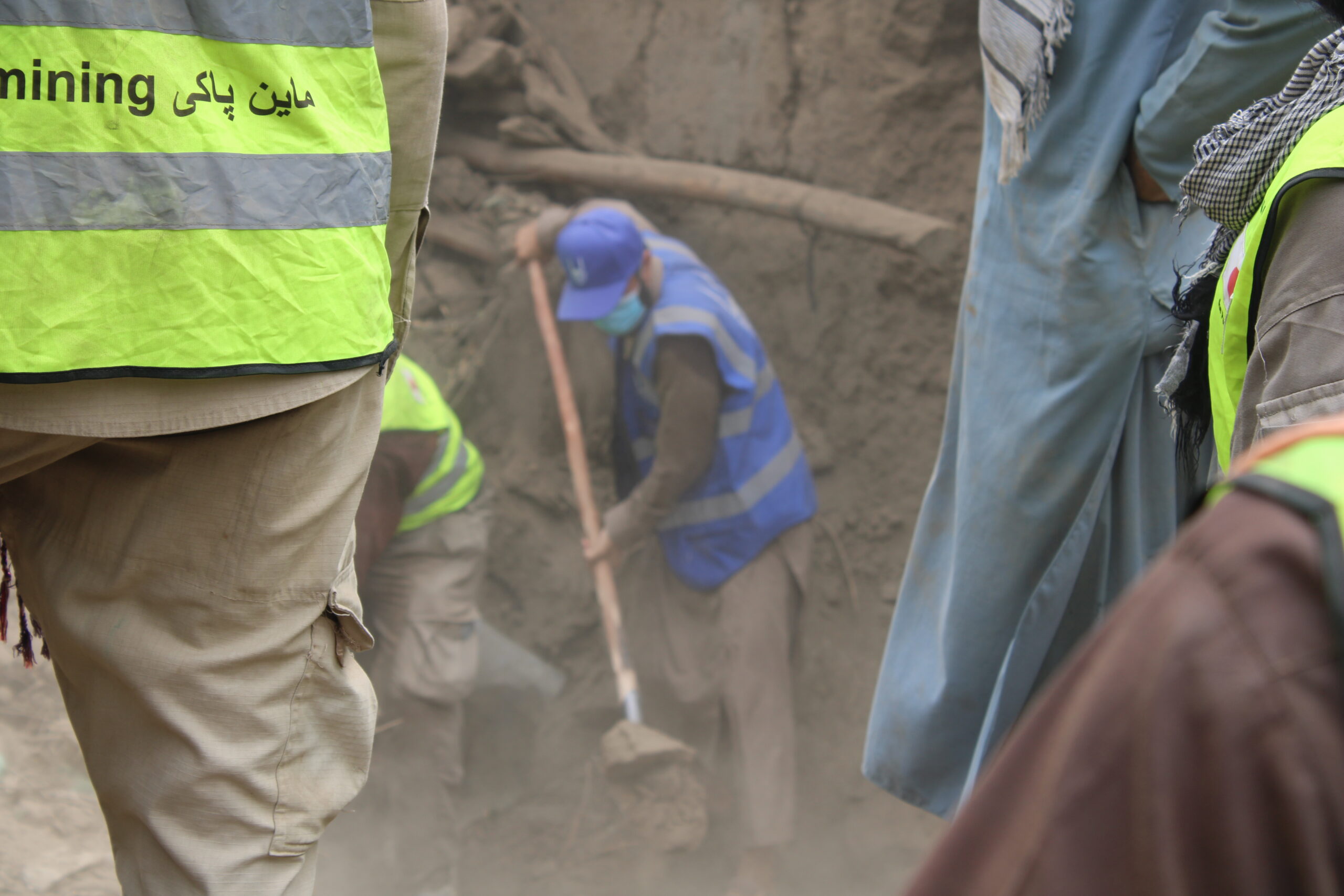
The shallow, 6.0-magnitude earthquake struck a mountainous and remote region of Kunar province around midnight on 31 August 2025, while tens of thousands were sleeping. Entire villages were levelled in minutes, leaving residents trapped people under rubble.
The nature of the terrain in Kunar Province hindered relief efforts with villages stranded by landslides and rockfall. While the effects of the earthquake were felt as far away as Lahore, Pakistan, the majority of casualties were in the Kunar districts of Nurgal and Chawka. Most residents in this region typically live in wood and mud-brick houses which left them particularly vulnerable to the impact of the quake.
Lives left in ruins
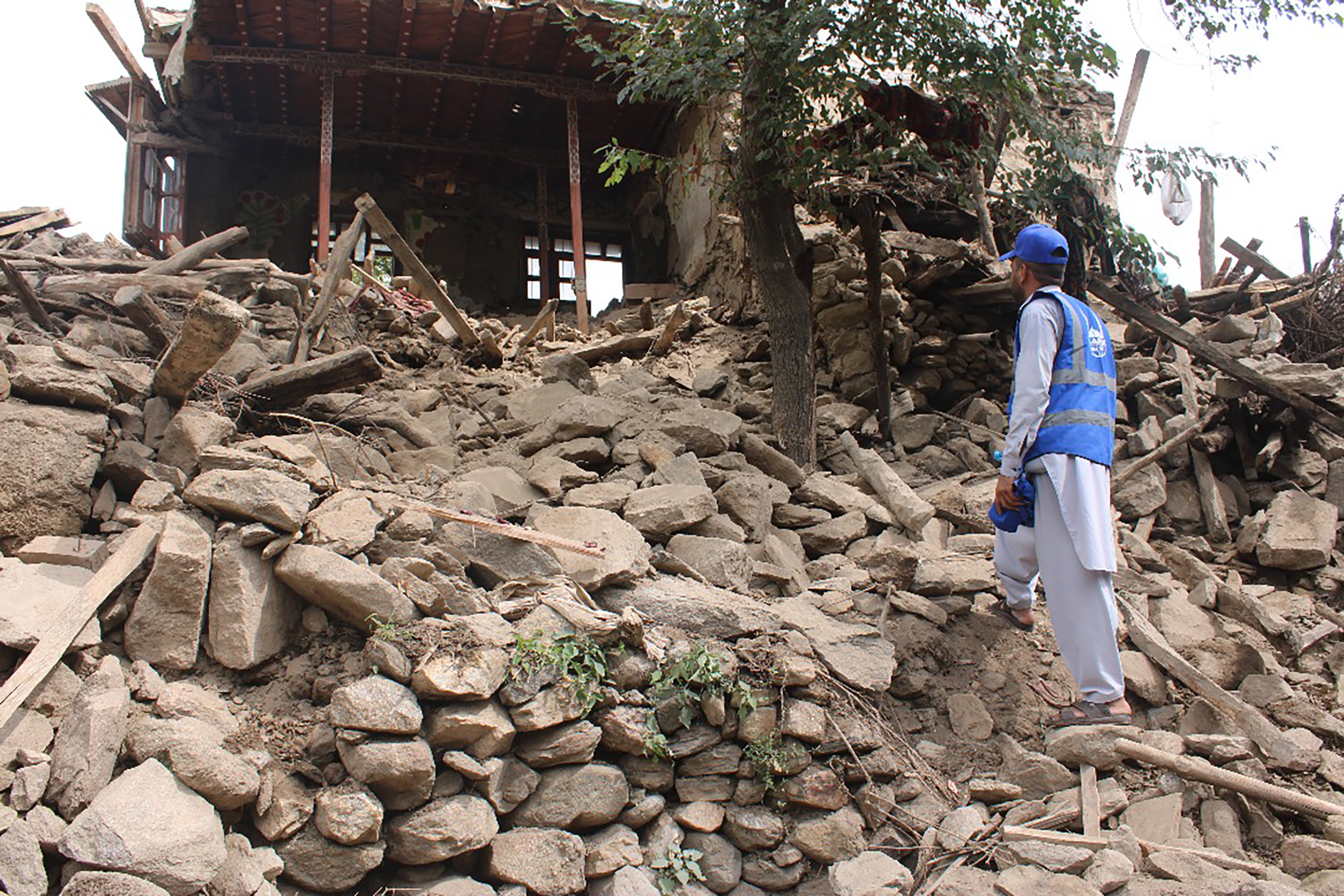
The effects of the earthquake have been devastating.

“Communities have been deeply shaken. Families who were already living with hardship suddenly lost everything.
“With so many homes destroyed and winter approaching, people are struggling to protect their children from the cold. The sense of loss is overwhelming, and the fear of what’s coming with winter makes it even harder.”
Ibrahim, a nurse working with Islamic Relief
More than 2,200 people in Kunar Province were killed by the earthquake. Thousands more were left injured.
The United Nations (UN) reported that up to 13,000 buildings were either damaged or collapsed by the quake. In the days that followed the initial earthquake, multiple aftershocks helped to exacerbate the disaster.
Many living in the districts of Nurgal and Chawkay saw their livelihoods disappear overnight.
“We are poor people, and our agricultural land has been destroyed,” Qari explains.
“We lost our livestock, including cows and sheep, which died in the earthquake. People were injured, and many families lost their loved ones.”
The United Nations Development Programme (UNDP) reported that more than 1.3 million animals were affected in Nangarhar and Kunar provinces, with 7,000 livestock deaths reported so far.
Providing a lifeline
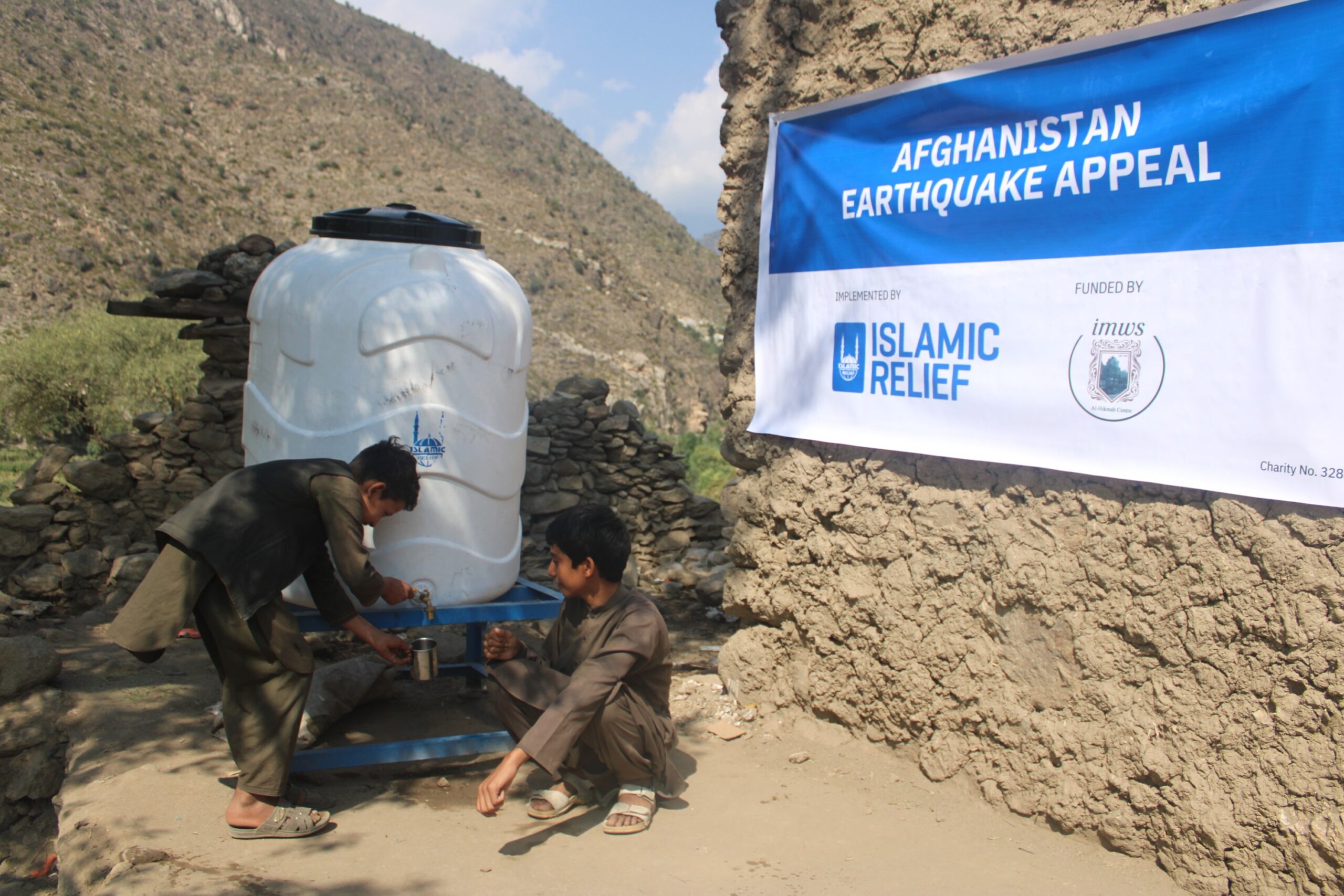
Just hours after the earthquake struck, Islamic Relief deployed an emergency health team to provide critical services to survivors.
To date, we have reached more than 141,000 people with life-saving aid, including providing food packages, shelter items and winter clothing. We have also been providing specialised support for at-risk groups such as pregnant and breastfeeding women.
“After the earthquake, we took our injured family members to the emergency clinic established by Islamic Relief, and they received treatment,” Qari says.
A major element of Islamic Relief’s support in the wake of the earthquake has been the establishment of health clinics, in Badenzoy village in Chawkay District and Nangosai village in Sarkano District.
Through these clinics we have provided health care support to more than 6,5000 people, including Qari Gulistan and his family, who have since received further support from Islamic Relief.
“After few weeks, we received a tent kit, which includes a tent, solar lamps, tarpaulin, and fire blankets, and now we are living in this tent.
“We also received hygiene kits, which help reduce the risk of disease, but with the cold weather, living conditions are getting harder, and the risk of illness is increasing.”
Qari tells Islamic Relief

Long lasting damage
Five months on from the disaster, there are still tens of thousands of people living in tents, despite the support provided by Islamic Relief and our partners. According to the World Health Organization (WHO), more than 498,000 people are still in urgent need of assistance, as Ibrahim explains:
“Thousands of families have no safe place to stay, and winter is already affecting many areas.
“People need blankets, warm clothing, and basic household items. Clean water and emergency latrines are also critical to prevent disease outbreaks. Many health facilities still need medicines, equipment, and support.
“Food stocks were destroyed in most homes, so families also need food assistance or cash where markets are working.”
Further compounding the situation in Afghanistan, the arrival of Afghan returnees from Pakistan and other neighbouring countries. Many families returning and settling in the same areas affected by the earthquake increasing the pressure on already limited resources such as shelter, food, and clean water.

With Afghanistan in the grips of winter, the situation is becoming critical for both earthquake survivors and returnee families who have nowhere else to go.
Islamic Relief has worked in Afghanistan for over 20 years, and with your support we can help both returnees and those still affected by the earthquake. As we continue to support survivors, we will be shifting our focus towards rebuilding homes and the livelihoods that were destroyed by the quake. Working with ShelterBox, we plan to construct shelters and help repair damaged houses.
Help us support more survivors of the devastating earthquake in Afghanistan by donating generously today.